Few foods have been blamed for as much as carbohydrates. People cut out rice, matooke and bread in the hope of dropping weight fast, then wonder why their workouts fall apart. Carbohydrates are the main fuel for hard exercise. The question is not whether to eat them but how much, which kinds, and when.
What carbohydrates do
When you eat carbohydrate, your body breaks it down into glucose. Some goes into your blood to feed your brain and muscles. The rest is stored as glycogen in your muscles and liver. Your body can only store a limited amount, enough for roughly an hour or 2 of hard exercise.
When glycogen runs low, you feel heavy, slow and mentally flat. This is the wall that runners describe, and you can hit a mild version of it in a long strength session or a hard conditioning class.
Carbohydrate also spares protein. If you do not eat enough carbohydrate and energy, your body can break down muscle for fuel, which is the opposite of what you want.
How much do you need
Needs depend on how much and how hard you train. Sports nutrition guidance gives rough ranges per kilogram of body weight per day:
- Light activity, mostly walking and short sessions: about 3 to 5 g/kg
- Moderate training, around an hour a day: about 5 to 7 g/kg
- Heavy training, 1 to 3 hours a day: about 6 to 10 g/kg
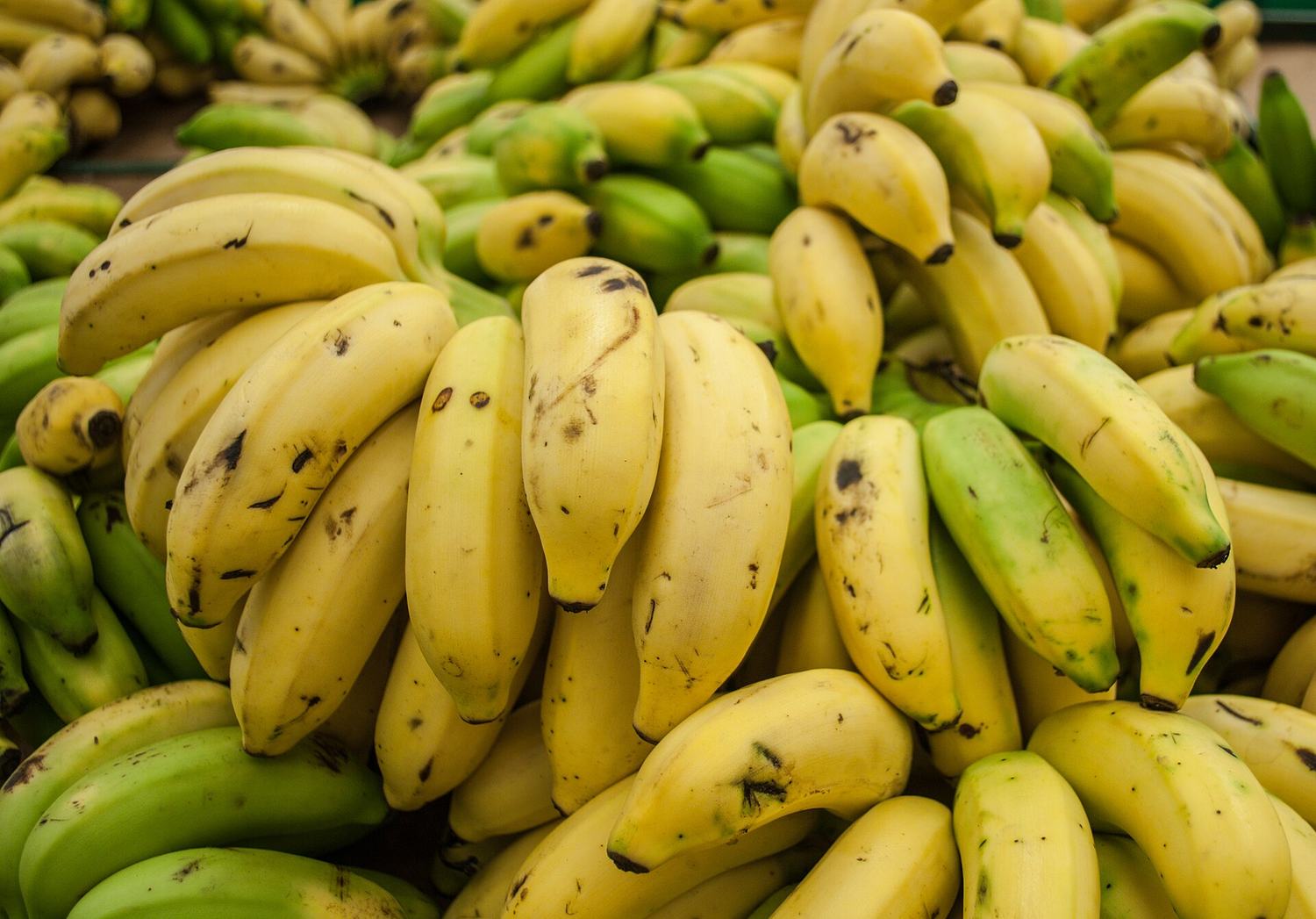
For a 70 kg person training 4 times a week, that suggests around 350 grams on a typical training day. In food terms, a cup of cooked rice has about 45 grams, a medium banana about 25 grams, and a fist-sized portion of matooke or sweet potato about 30 to 40 grams.
You do not need to count grams forever. Use these ranges to see whether you are far off. Many people who say they eat plenty of carbohydrate actually eat very little at breakfast and lunch, then a large amount at night.
Quality matters
Not all carbohydrates behave the same.
Whole and minimally processed sources
These come with fibre, vitamins and minerals and release energy more slowly. Good local examples:
- Sweet potatoes, cassava, matooke and Irish potatoes
- Beans, peas and lentils, which also provide protein
- Millet, sorghum, whole maize meal and brown rice
- Fruit such as bananas, oranges, mangoes and pawpaw
- Oats and whole wheat bread
Refined and sugary sources
White bread, mandazi, sugary tea, soda, sweets and packaged biscuits digest quickly and offer little else. They have a place, particularly right before or during long exercise when you want quick energy, but they should not be the base of your diet.
A simple approach: make most of your carbohydrate come from whole foods, and use the quick sugary ones around training when you need speed.
Timing carbohydrates around training
- Before: a meal or snack with carbohydrate 1 to 4 hours ahead, depending on size
- During: for sessions longer than about 60 to 90 minutes, take small amounts such as sips of a sweet drink, a banana, or a few dates
- After: carbohydrate with protein to refill glycogen, especially if you train again within a day
On rest days, you can eat a little less starch and a bit more vegetables and protein, because you are using less energy.
Carbohydrates and fat loss
People often lose weight quickly on low carbohydrate diets in the initial week. Much of that is water, because each gram of glycogen is stored with several grams of water. Fat loss still depends on eating fewer calories than you use over time, regardless of the mix of nutrients.
If you cut carbohydrates hard, you can lose weight, but you may also feel tired, lose strength, struggle to stick to the plan and regain the weight afterwards. A better route for most people is to keep carbohydrates around training, reduce portion sizes slightly, cut sugary drinks and snacks, and add more vegetables and protein.
If you have diabetes or are pre-diabetic, carbohydrate intake needs more careful management. Talk to your doctor or dietitian about how much to eat and when, and about medication timing around exercise.
Common mistakes
Cutting all starch at supper while training in the evening. You lose fuel for the next session and sleep may suffer.
Eating huge portions of starch with little else. A giant plate of posho with a spoonful of sauce is high in energy but low in nutrients.
Relying on sugary drinks for energy. A bottle of soda has a lot of sugar and nothing else. Fruit is a better choice.
Fearing fruit because it contains sugar. Fruit comes with fibre, water and vitamins. Eating 2 or 3 portions a day is healthy for most people.
Dropping carbohydrates and then bingeing. Severe restriction often leads to cravings and overeating later in the day.
A day of balanced carbohydrates
Here is an example for someone who trains in the evening:
- Breakfast: porridge with milk and a banana
- Lunch: rice or matooke with beans, greens and fish
- 4:30 pm snack: bread with groundnut paste or fruit
- After training: sweet potato with chicken and vegetables
This spreads fuel across the day and puts the largest portions close to training.
Fibre and your gut
Whole carbohydrates supply fibre, which supports digestion and helps you feel full. Most adults benefit from about 25 to 30 grams a day. If you increase fibre quickly, you may get gas or bloating. Add it gradually and drink more water.
Key takeaways
- Carbohydrate is the main fuel for moderate to hard exercise, and low glycogen makes training feel heavy.
- Aim for roughly 3 to 10 g/kg per day depending on how much you train.
- Base your intake on whole sources such as sweet potato, matooke, beans, millet, fruit and oats.
- Use quicker, sugary carbohydrate mainly around long sessions.
- Fat loss comes from a modest calorie deficit, not from banning rice or matooke.