Type 2 diabetes is rising fast in Uganda, especially in towns like Kampala where people sit more, drive more and eat more processed food than a generation ago. In this condition, the body stops responding well to insulin, the hormone that moves sugar from the blood into the cells. Blood sugar then rises, and over years this damages the heart, eyes, kidneys, nerves and feet.
Type 2 diabetes is not inevitable, even if it runs in your family. Large trials in different countries have shown that people at high risk can cut their chance of developing it substantially through lifestyle changes: regular activity, modest weight loss and better food choices. Exercise is a central part.
This post is about prevention and general fitness. If you already have diabetes, or take medicines for it, speak to your doctor about exercise, because insulin and some tablets can cause low blood sugar.
Who is at risk
You may be at higher risk if you:
- Are overweight, particularly with extra fat around the waist.
- Have a parent, brother or sister with diabetes.
- Are over 40, though younger people are increasingly affected.
- Have high blood pressure or high cholesterol.
- Had diabetes in pregnancy, or gave birth to a baby over 4 kg.
- Have "prediabetes", meaning blood sugar higher than normal but not yet at the diabetes level.
- Are physically inactive.
If you have several of these, ask for a blood sugar test. Many clinics and pharmacies in Kampala offer a quick check. Catching prediabetes early gives you the best chance to reverse it.
How exercise helps
When you exercise, your muscles take up sugar from the blood, partly without needing much insulin. After a session, muscles stay more sensitive to insulin for hours, and regular training improves this effect over time. Exercise also:
- Reduces fat around the abdomen and liver, which drives insulin resistance.
- Lowers blood pressure and improves cholesterol.
- Helps with sleep and stress, which both affect blood sugar.
- Builds muscle, which is the main place where sugar is stored and used.
You do not need to lose a huge amount of weight for benefit. In prevention programmes, losing around 5 to 7 percent of body weight, for example 4 to 6 kg for someone weighing 80 kg, combined with regular activity made a big difference.
What to do each week
Aerobic activity
Aim for at least 150 minutes of moderate activity a week, in line with WHO guidance. That could be 30 minutes of brisk walking on 5 days. Brisk means you are breathing harder, but can still talk. Cycling, swimming, dancing, and football with friends all count.
Try to avoid going more than 2 days in a row without activity, because the insulin sensitivity boost from a session fades over a day or 2.
Strength training
Do resistance exercise 2 or 3 times a week. Muscle is your sugar store, and more of it makes it easier to keep blood sugar steady. A good beginner session includes squats, hip bridges, rows, presses and a carry.
Break up sitting
Sitting for hours raises blood sugar even if you exercise for 30 minutes in the morning. Stand up and move for 2 to 5 minutes every 30 to 60 minutes. A short walk to the kitchen, calls taken while standing, or pacing while waiting counts. A brisk 10 to 15 minute walk after a meal is particularly good at flattening the blood sugar rise.
A sample week for a busy adult
- Monday: strength session, 40 minutes.
- Tuesday: brisk walk, 30 minutes, plus a 10 minute walk after dinner.
- Wednesday: rest, with regular standing breaks.
- Thursday: strength session, 40 minutes.
- Friday: cycling, swimming or dance class, 30 to 45 minutes.
- Saturday: long walk or sport with friends, 45 to 60 minutes.
- Sunday: easy walk, stretching.
Food: what to change and what to keep
Exercise cannot out run a poor diet, and a good diet does not have to mean expensive or foreign food. Local meals are often well suited:
- Fill half your plate with vegetables, such as greens, cabbage, eggplant, tomatoes and carrots.
- Reduce the portion of starch. Matooke, rice, posho, cassava and Irish potatoes are healthy foods, but a huge heap is what raises blood sugar. Aim for a fist or a little more per meal, and replace some with sweet potatoes, beans or whole grain options.
- Add protein to each meal, such as beans, fish, eggs, groundnuts, chicken or lean meat. It helps you feel full and slows the rise in blood sugar.
- Cut back on sugary drinks. Soda, sweetened juice, and sugary tea add up fast. Water is the best option.
- Limit fried snacks, white bread and sweets. Fruit is fine in sensible portions.
- Avoid skipping meals and then overeating late at night.
Check your numbers
Ask for a blood sugar test (fasting glucose or HbA1c) if you are at risk. Check your waist measurement: for most people, a waist over about 94 cm for men or 80 cm for women suggests a higher risk. These are simple, useful figures to track every few months.
Safety
- If you have heart disease, high blood pressure, chest pain or have been inactive for a long time, see your doctor before starting a more vigorous programme.
- If you take diabetes medicines, ask your doctor about low sugar risk and carry a sugary snack when exercising.
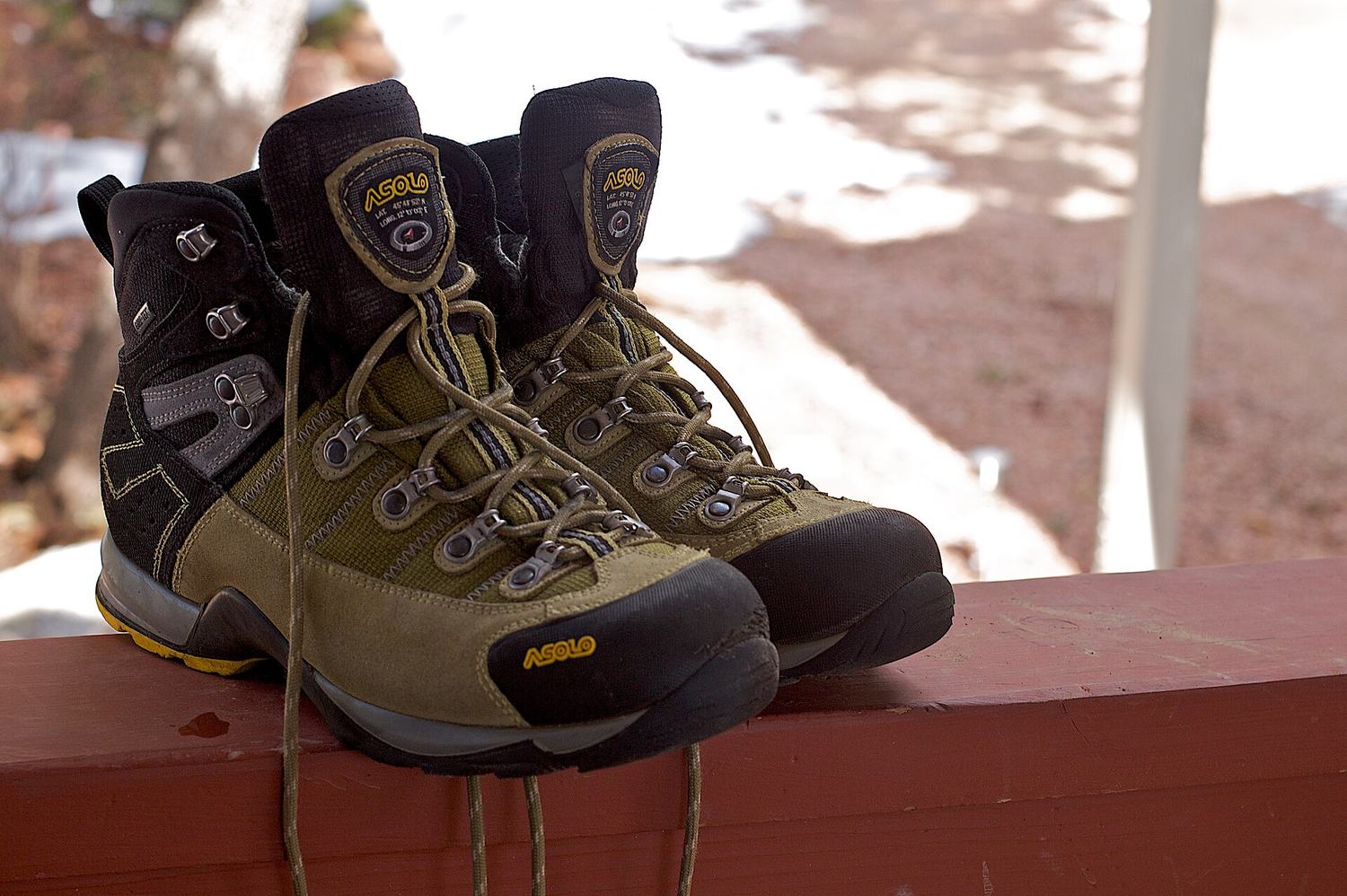
- Wear good shoes and check your feet regularly if you have been told your blood sugar is high.
- Stop and seek help for chest pain, severe breathlessness, fainting, blurred vision or confusion.
Common mistakes
- Waiting for symptoms. Prediabetes and early diabetes usually have none.
- Relying on a short burst of effort. The benefit comes from regular activity.
- Crash dieting. It does not last. Gradual changes you can keep are better.
- Over exercising, then eating heavily as a reward.
- Ignoring sleep. Poor sleep worsens insulin resistance.
Key takeaways
- Type 2 diabetes can often be prevented or delayed through regular exercise, better food and modest weight loss.
- Aim for at least 150 minutes of moderate activity a week plus 2 or 3 strength sessions.
- Break up long periods of sitting, and walk for 10 to 15 minutes after meals when you can.
- Keep local foods, but reduce starch portions and sugary drinks, and add vegetables and protein.
- If you are at risk, get your blood sugar checked and talk to your doctor before major changes.