High blood pressure, also called hypertension, is very common in Uganda and across East Africa, and many people do not know they have it. It rarely causes symptoms until it has done damage, which is why it is sometimes called a silent condition. Over time, it raises the risk of stroke, heart attack, heart failure and kidney disease.
The good news is that regular physical activity is one of the most effective lifestyle ways to bring blood pressure down. For many people, exercise can lower it by a noticeable amount, similar to the effect of some tablets, and it also helps with weight, blood sugar, stress and sleep. It does not replace medicine if your doctor has prescribed it, and you should never stop tablets because you exercise.
initial steps before you start
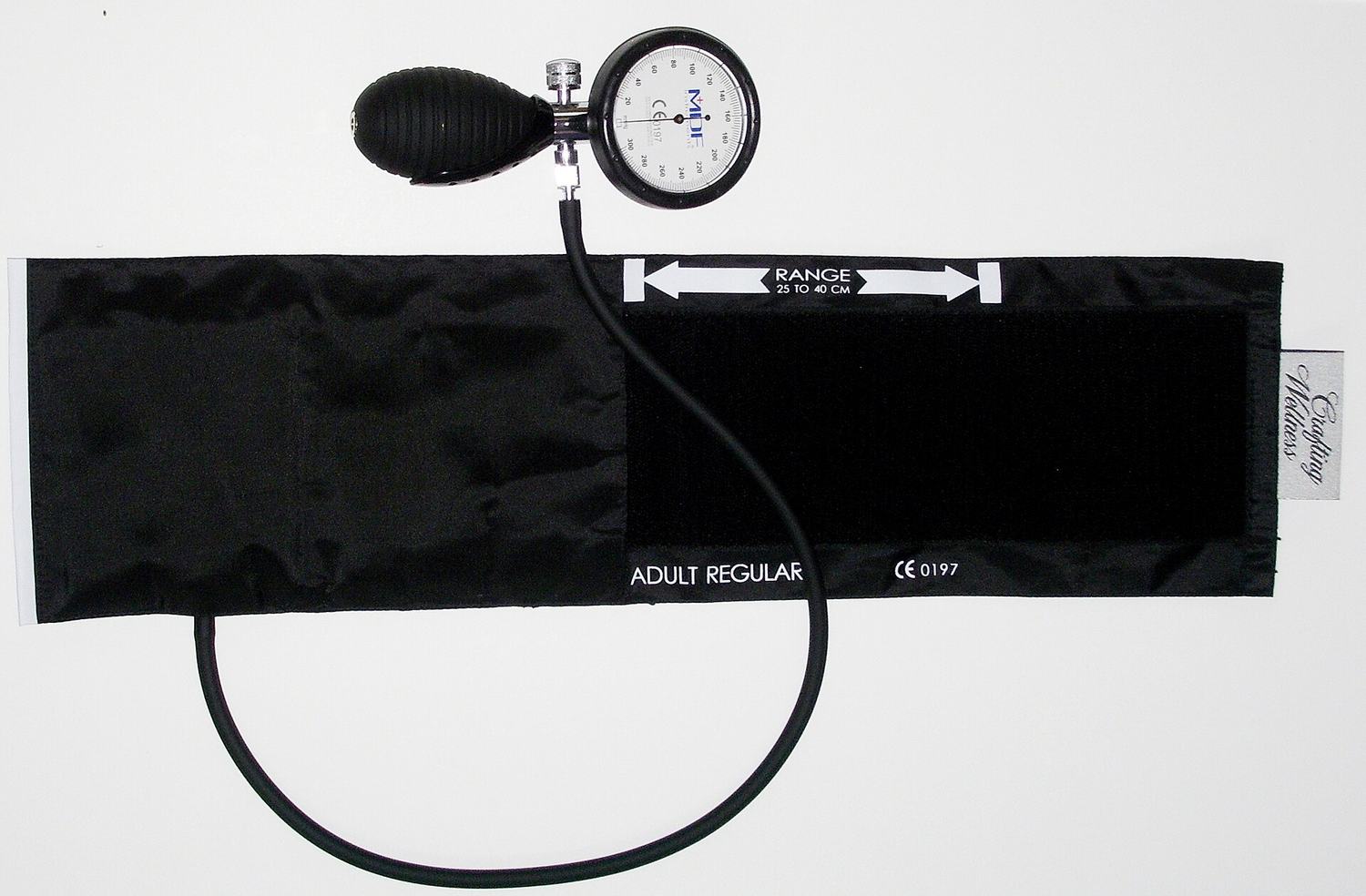
If you have been diagnosed with high blood pressure, or if you are over 40 and have never had your pressure checked, get it measured. Many clinics, pharmacies and gyms can do it.
Speak to your doctor before starting or increasing exercise if:
- Your pressure is very high, for example 180 over 110 or above, or not controlled on treatment.
- You have chest pain, breathlessness at rest, dizziness, fainting, palpitations or swollen ankles.
- You have heart disease, kidney disease, diabetes, or have had a stroke.
- You are taking medicines and are unsure how they affect exercise.
Some tablets, such as beta blockers, slow your heart rate, so heart rate targets will not work for you. Others, such as diuretics, can make you lose fluid and feel dizzy in the heat. Ask what applies to you.
What type of exercise helps most
Aerobic activity
This is the foundation. Walking, cycling, swimming, dancing and light jogging all lower blood pressure over time. Aim for at least 150 minutes a week at moderate intensity, such as 30 minutes on 5 days. You can break it into 10 minute blocks.
Use the talk test: you should be able to speak in full sentences while you exercise, although singing would be hard. If you cannot talk, slow down.
Strength training
Resistance exercise is safe and beneficial for most people with controlled high blood pressure, and it improves muscle, bone and blood sugar control. Do it 2 or 3 times a week. The key rules are:
- Never hold your breath. Straining against a closed throat spikes blood pressure sharply. Breathe out as you lift, breathe in as you lower.
- Use moderate loads and more repetitions, such as 10 to 15 reps with a weight you could lift for around 15 to 18. Avoid maximal single lifts.
- Keep your head above your heart where possible, and avoid long isometric holds, such as holding a tight plank for several minutes or gripping hard.
- Rest between sets for 60 to 90 seconds and let your breathing settle.
- Stand up slowly after floor exercises to avoid dizziness.
Flexibility and relaxation
Stretching, gentle yoga and slow breathing exercises help lower stress, which has its own effect on blood pressure.
A sample week
- Monday: brisk walk, 30 minutes.
- Tuesday: strength session, 30 to 40 minutes.
- Wednesday: cycling or swimming, 30 minutes.
- Thursday: rest or light stretching.
- Friday: strength session.
- Saturday: longer walk or dance class, 40 to 60 minutes.
- Sunday: rest, relaxed breathing and stretching.
Sample strength session
Warm up for 5 to 10 minutes initially, then do 2 or 3 sets of 10 to 15 of each:
- Squat to a chair.
- Seated dumbbell row or band row.
- Machine chest press or wall push up.
- Glute bridge.
- Standing band pull apart.
- Calf raises.
Cool down with 5 minutes of slow walking and stretching, never stopping suddenly after hard effort.
Heat, fluids and timing
In Kampala's heat, sweating and fluid loss can lower blood pressure and cause dizziness, especially if you are on diuretics. Exercise in the cooler parts of the day, wear light clothing, and drink water steadily. Avoid saunas and hot rooms right after exercise.
Do not exercise right after a very heavy meal, or when you have a fever or illness. If you have measured your blood pressure at home and it is very high that day, skip the session and call your clinic.
Food that works alongside exercise
Exercise works best together with food changes that help blood pressure:
- Cut back on salt. Be careful with added salt, stock cubes, salted fish, processed meats, and salty snacks.
- Eat more potassium rich foods, such as bananas, avocado, beans, sweet potatoes, leafy greens and tomatoes, unless your doctor has told you to limit potassium because of kidney disease.
- Choose whole foods such as fruit, vegetables, beans, groundnuts and whole grains over fried and sugary foods.
- Limit alcohol.
- Do not smoke.
- Aim for a healthy weight. Losing even a few kilograms can lower blood pressure.
Warning signs: stop and seek help
Stop exercising and get medical help at once if you notice:
- Chest pain, pressure or tightness.
- Severe shortness of breath.
- Sudden severe headache.
- Dizziness, fainting or blurred vision.
- Irregular or very fast heartbeat that does not settle.
- Weakness or numbness on 1 side of the body, or difficulty speaking.
Common mistakes
- Stopping tablets because blood pressure improves. Medicine and exercise work together. Only your doctor should change doses.
- Going too hard too fast. Intense efforts are not needed. Steady, regular exercise is more important.
- Holding the breath while lifting.
- Exercising only at weekends. Frequent, smaller sessions work better than 1 very hard session.
- Not checking pressure. A home monitor, or visits to a clinic every few weeks, help you see progress.
Key takeaways
- Regular exercise can reduce blood pressure and protect the heart, brain and kidneys, but it does not replace prescribed medicine.
- Aim for around 150 minutes of moderate activity each week, and add 2 or 3 light to moderate strength sessions.
- Breathe steadily during lifting, avoid maximal efforts, and stand up slowly.
- Cut salt, eat more fruit, vegetables and beans, and limit alcohol.
- Stop and get help for chest pain, severe breathlessness, fainting or a sudden severe headache.