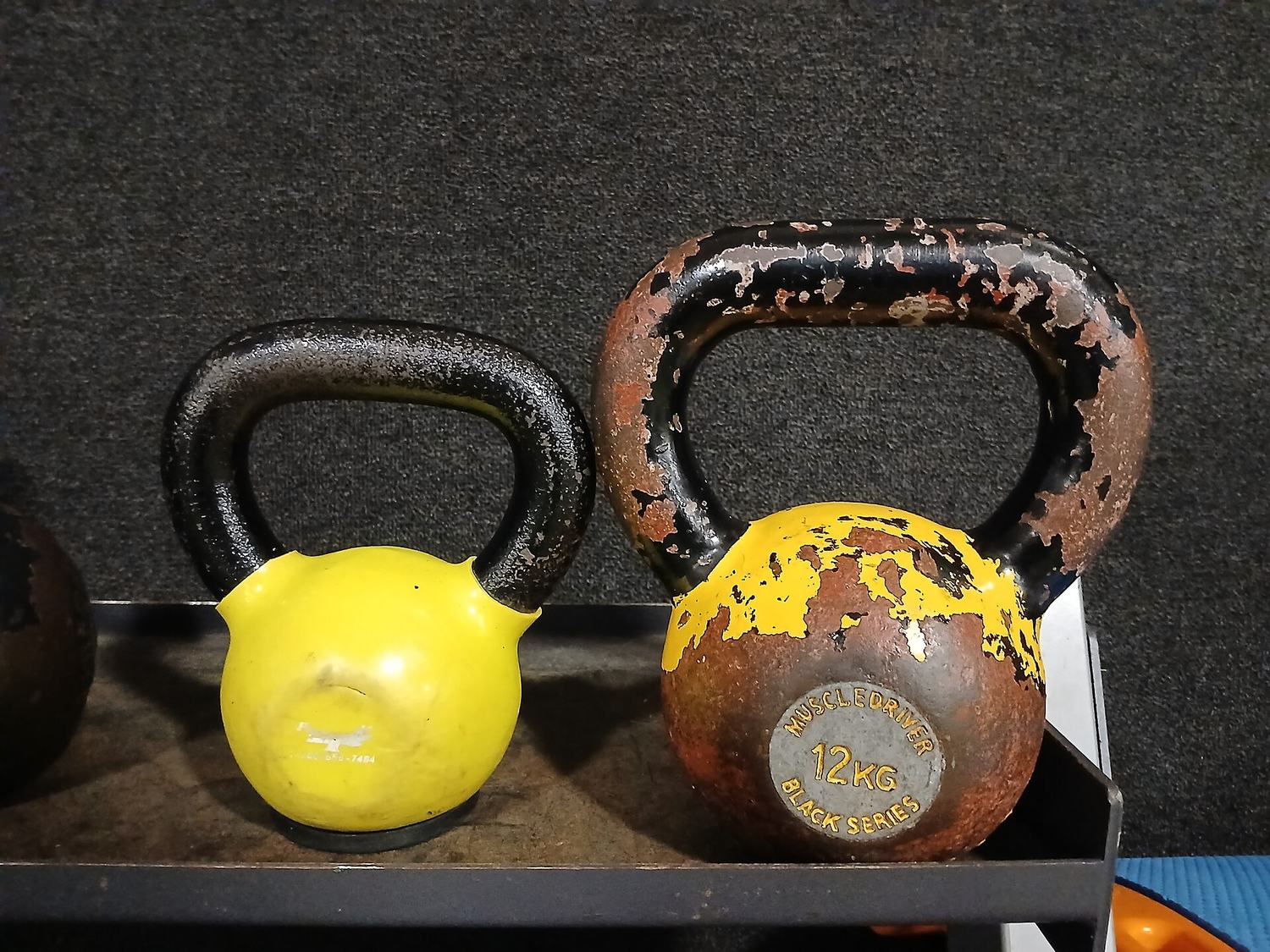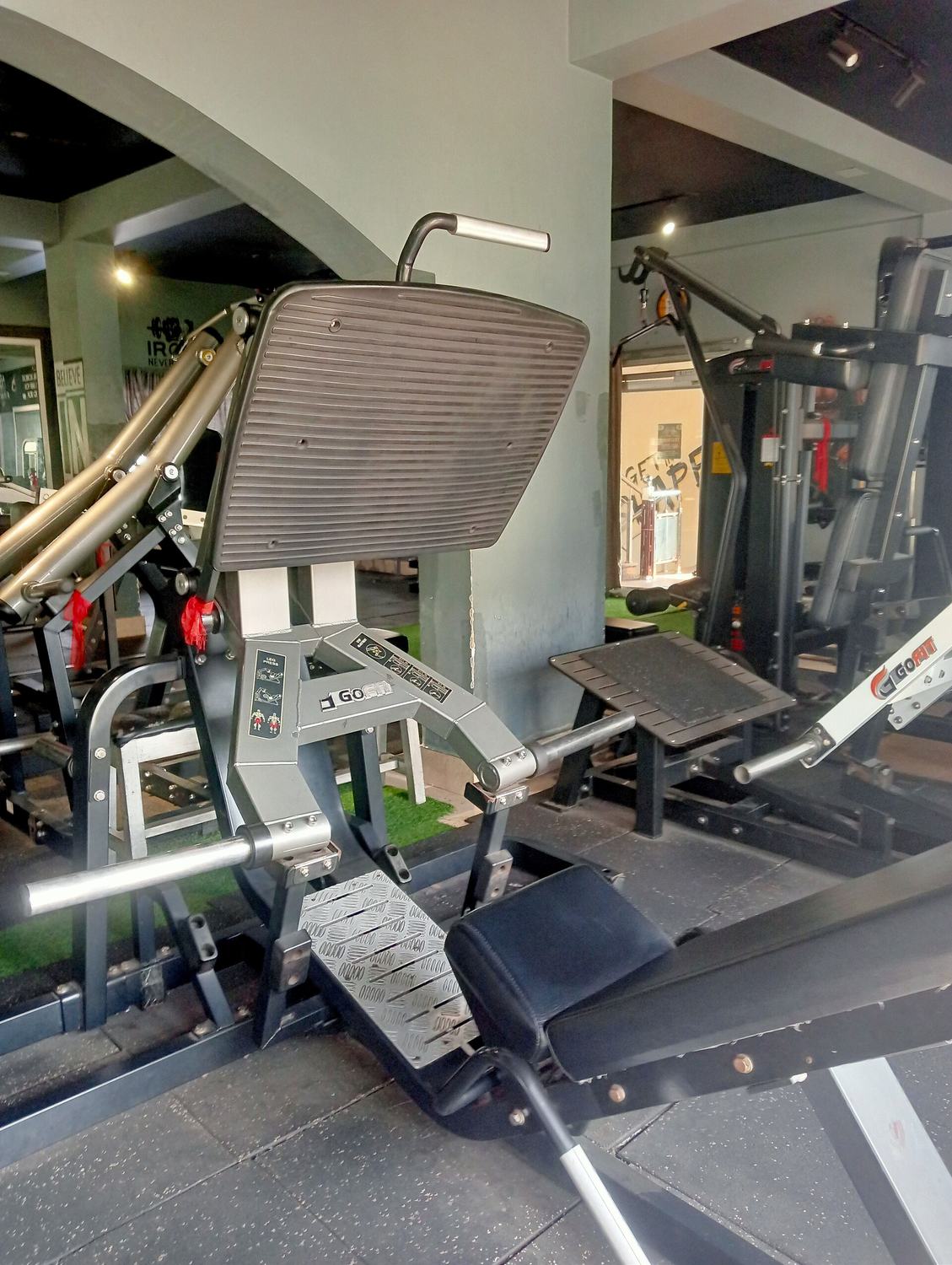
Beginners often ask which is better, dumbbells and barbells or machines. The honest answer is that both work, and the best choice depends on your experience, your goals and how you feel on the day. Here is a fair comparison and a plan for using both.
What counts as free weights?
Free weights are any loads you move without a fixed track: dumbbells, barbells, kettlebells, weight plates and sandbags. You control the path of the weight, so your muscles have to stabilise as well as lift.
Machines guide the movement along a set path, with the resistance provided by a weight stack, plates or cables. You sit, adjust and push or pull.
Strengths of machines
- Easy to learn. The path is fixed, so you can focus on pushing.
- Safer to train hard alone. If you fail a rep, you can usually let go without the weight falling on you.
- Good for isolating a muscle. A leg curl or leg extension targets 1 muscle group.
- Easy to adjust load. Moving a pin is quicker than changing plates.
- Friendly for rehab and older adults. A supported position can help when balance or confidence is limited.
- Helpful for fatigue. At the end of a session when you are tired, a machine lets you keep working without worrying about balance.
Limits of machines
- The fixed path may not fit your body perfectly, especially if you are very tall or short.
- They do less to train balance and coordination.
- They are not always available, and a home or small gym may have few.
- Movements are less similar to everyday tasks like carrying shopping, lifting a child or picking up a bag of cement.
Strengths of free weights
- Use more stabilising muscles. Your core, hips and shoulders work to keep the weight steady.
- More natural movement. Squats, deadlifts, presses and carries resemble real life.
- Flexible and cheap. A pair of dumbbells or a kettlebell makes a complete home workout.
- Fix imbalances. Dumbbells make each side work independently, so a stronger side cannot take over.
- Almost unlimited exercises. Lunges, rows, curls, presses, swings and carries all with the same equipment.
Limits of free weights
- Technique matters more. Poor form with a barbell can strain the back or shoulders.
- Risk of dropping. Weight can fall if you fail a rep, so heavy barbell lifts need a spotter or safety racks.
- Slower to learn. The initial weeks can feel awkward.
- Need good setup. Bars, racks and benches require space and some know-how.
Which builds muscle and strength better?
Research and coaching experience both point to the same conclusion: muscles respond to challenging effort, taken close to fatigue, repeated over time. Both free weights and machines can do that. A beginner gets results from either. The best choice is the one you can do consistently, safely and with progression.
Free weights are often better for overall strength and coordination. Machines are often better for focusing on specific muscles and for safe, hard sets near failure.
How beginners should choose
Start with a mix
A good beginner programme uses both.
- Begin with machines for the initial 2 to 4 weeks while you learn the gym, build confidence and get your muscles used to the work.
- Add dumbbell and bodyweight movements such as goblet squats, dumbbell rows and push-ups as your control improves.
- Learn barbell lifts with a coach when you are ready, and not before you can handle the basic patterns with dumbbells.
Match the tool to the goal
- General fitness and health: a blend of both, 3 days a week.
- Building strength: emphasise free-weight compound lifts, supported by machines.
- Building muscle: use both, with machines for sets close to failure.
- Rehab or returning after injury: start with machines and move to free weights as advised by your physiotherapist.
- Home training: dumbbells, kettlebells, resistance bands and bodyweight cover nearly everything.
A sample session using both
This full-body session suits someone with a few weeks of experience.
- Goblet squat (free weight): 3 x 8 to 10
- Chest press machine: 3 x 10 to 12
- Dumbbell row: 3 x 10 each arm
- Leg curl machine: 2 x 12
- Dumbbell Romanian deadlift: 2 x 10
- Lat pulldown: 2 x 10 to 12
- Plank: 3 x 20 to 40 seconds
The free-weight movements teach coordination and the machines allow extra work without needing perfect balance.
Safety tips for both
- Warm up with light sets before heavy ones.
- Use a controlled tempo, avoiding momentum.
- Never lift heavier than you can control.
- With heavy barbell exercises, use safety bars or a spotter.
- Breathe out as you push, breathe in as you lower. Do not hold your breath for long.
- If you feel sharp pain, stop. Pain that lingers or travels should be checked by a doctor or physiotherapist.
Common myths
- "Machines are for beginners, free weights are for serious lifters." Experienced lifters use machines too.
- "Free weights are dangerous." Done properly, with sensible loads, they are no more risky than most sports.
- "Machines will not build real strength." They will, especially for beginners.
- "You must pick one." Most successful programmes use both.
Key takeaways
- Machines are easier to learn and safer for training hard alone.
- Free weights train balance, coordination and more of the body at once.
- Both can build muscle and strength if you progress and train with effort.
- Beginners can start on machines, then add dumbbells and later barbells with coaching.
- Use warm-ups, control and sensible loads for safety with either option.
- A mix of both is usually the most effective and enjoyable approach.