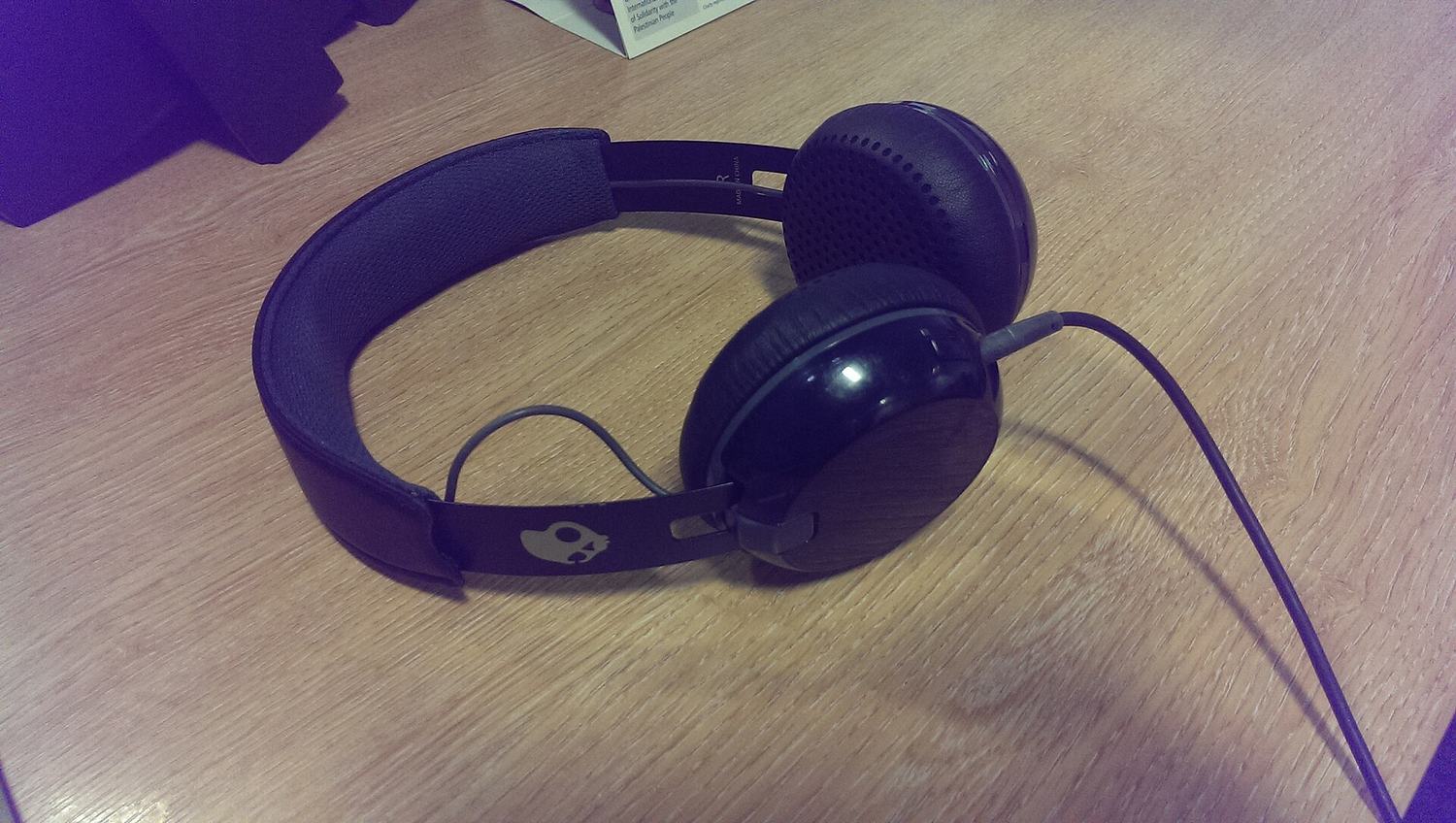
Look around any gym and you will see headphones everywhere. There is a good reason. Music can make training feel easier, more enjoyable and more focused. Used well, it is a cheap and legitimate training aid. Used badly, it becomes background noise that distracts from the work. Here is how to get the most out of it.
What music does for training
Research on music and exercise, mainly on moderate-intensity work like running, cycling and gym circuits, has found a few consistent effects:
- Music can make the same effort feel easier by distracting from fatigue and discomfort.
- It tends to improve mood and enjoyment, which helps with consistency.
- Upbeat, rhythmic music can encourage people to keep a steady pace.
- It can help you get psyched up before a heavy set or a race.
Music is less helpful at very high intensities, where discomfort is too strong to ignore. It does not make your muscles stronger. It changes how hard you feel it is working, which can still allow you to push a little further.
Matching tempo to the session
Tempo is measured in beats per minute, or BPM. You do not need to be exact, but matching broad tempo to the task helps.
- Warm-up and cool-down: 90 to 120 BPM, calm and steady.
- Walking or easy jogging: about 120 to 140 BPM, depending on your cadence.
- Running or cycling at moderate effort: roughly 140 to 170 BPM.
- Heavy lifting: whatever gets you focused. Many people choose slower, heavier music or aggressive tracks. This is personal.
- Stretching and mobility: slow, instrumental or ambient music.
Afrobeats, amapiano, gospel, hip hop, rock and electronic music all work. Pick what you genuinely like. Songs with strong associations, such as ones from a happy memory, often work better than songs picked purely for BPM.
Building a good playlist
A messy playlist breaks your focus because you keep skipping tracks. Plan it.
- Build by session type. Make one playlist for strength, one for cardio and one for cool-down.
- Order by intensity. Start gentle, build up, peak in the middle or in the hardest set, and ease off at the end.
- Aim for length. 45 to 60 minutes is plenty. Add a few extra songs so you do not run out.
- Download it. Streaming apps eat data and drop out. Save the playlist to your phone.
- Refresh it. Replace songs you are tired of every few weeks.
- Keep lyrics in mind. Songs with lots of words can distract during technical lifts. Instrumental or familiar songs often suit complicated movements.
Getting into flow
Flow is the state where you are fully absorbed in what you are doing, time seems to move differently and effort feels smooth. The concept was described by the psychologist Mihaly Csikszentmihalyi. Athletes, musicians and craftspeople often describe it.
Flow tends to appear when:
- The challenge matches your skill, so the task is hard but not overwhelming.
- The goal is clear.
- You get immediate feedback.
- Distractions are low.
You cannot force flow, but you can set the stage for it.
How to set the stage in training
- Clear goal each session. For example, "5 sets of 5 squats at the same weight, with solid depth."
- Right level of difficulty. If the session is too easy you get bored, and if it is too hard you get anxious. Aim for challenging but possible.
- Remove distractions. Phone on silent or airplane mode, notifications off, tell people you are unavailable for an hour.
- Use a short ritual. The same warm-up, the same initial song, the same breath before the initial set. Rituals tell the brain it is time to focus.
- 1 thing at a time. Pay attention to the movement in front of you rather than to the whole session.
When music helps and when to skip it
Music is not always better.
- Take headphones off when learning a new lift. Listening to coaching cues and your own breathing matters when you are new to an exercise.
- Keep volume safe. If someone near you can hear your headphones clearly, or if you have ringing in your ears afterwards, it is too loud. Prolonged loud volume can damage hearing.
- Stay aware outdoors. If you run or cycle on Kampala roads, use one earbud or keep the volume low so you can hear boda bodas, cars and horns. Safety initially.
- Occasionally train without it. Silent sessions help you tune into your breathing and effort, and stop you from depending on music to get started.
A simple session to try
Try this strength session with a planned playlist of about 45 minutes.
- Warm-up for 8 minutes with calm, steady music.
- Main lift, such as squats, for 4 sets of 6. Choose your most energising songs.
- 2 supporting exercises, such as rows and lunges, for 3 sets of 10 each. Keep the tempo steady.
- Finish with 5 minutes of core work to a faster beat.
- Cool down for 5 to 8 minutes with slow music, breathing deeply.
Notice how you feel at the end. Did the session feel shorter than it was? That is the music and your focus working together.
Key takeaways
- Music can reduce the feeling of effort, lift mood and make training more consistent, especially at moderate intensities.
- Match tempo to the task: calm for warm-ups and cool-downs, faster for cardio, personal choice for heavy lifting.
- Build separate downloaded playlists ordered by intensity, and refresh them regularly.
- Flow comes from a clear goal, the right level of challenge and few distractions, so silence your phone and use a short ritual.
- Keep volume safe, stay aware of traffic outdoors and occasionally train without music.