Walk into any gym in Kampala and you will notice the same pattern. The men gather around the barbells and dumbbells, and many women stay on the treadmills or in the group classes. Often the reason is a set of beliefs about lifting that simply are not true. Let us go through them one by one, then look at how a woman can start properly.
4 myths, answered
Myth 1: Lifting will make me bulky
This is the most common fear, and it is the easiest to answer. Building large, visible muscle takes years of heavy training, a lot of food, and for most people a hormonal environment that women do not have. Women have far lower testosterone than men, so muscle gain is slower and smaller.
What most women actually notice after a few months of lifting is a firmer, tighter look, better posture, and clothes that fit differently around the shoulders, hips and waist. If you ever feel you have gained more muscle than you want, you can simply ease off. It is a very slow process, not something that happens by accident.
Myth 2: Women should use light weights and many repetitions
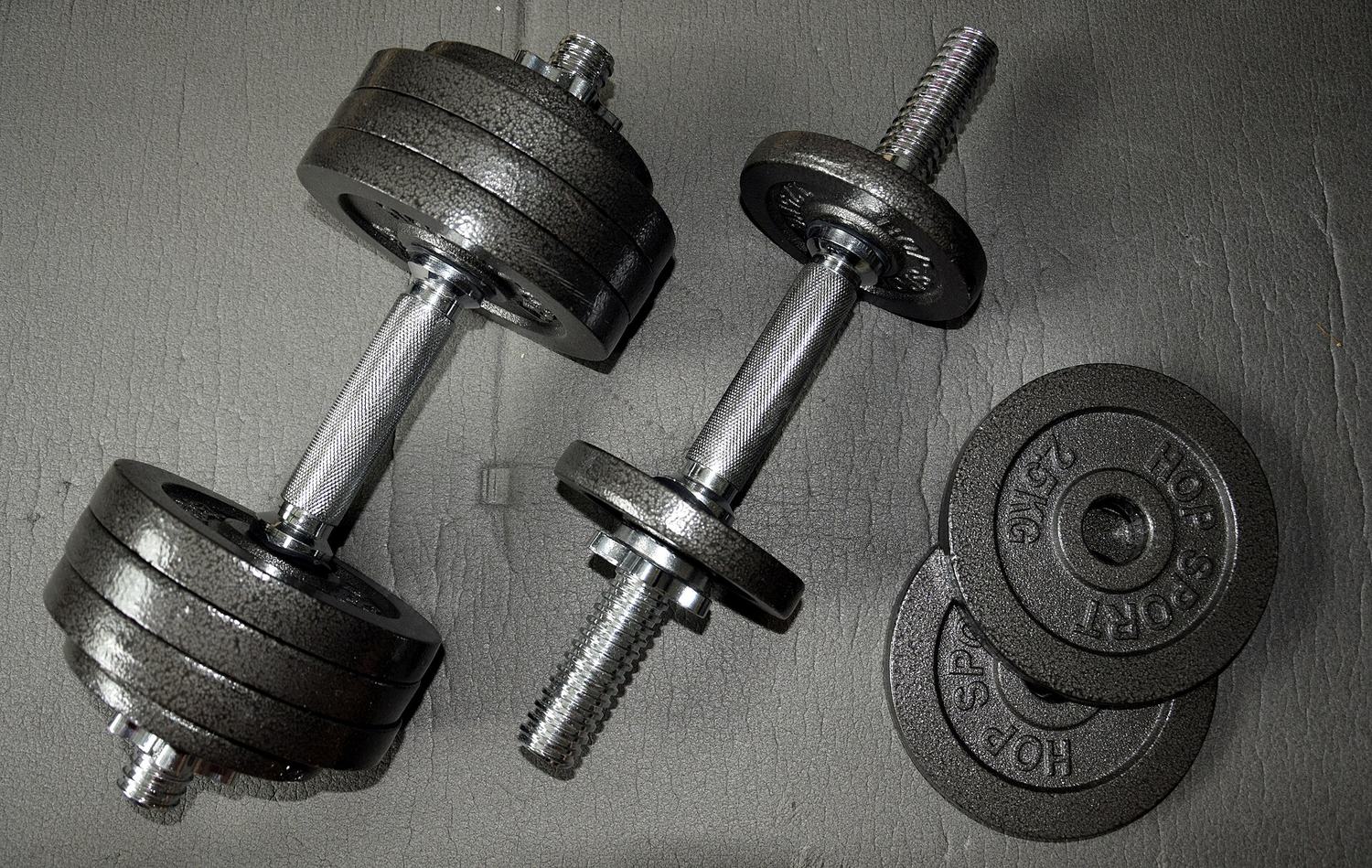
Pink dumbbells and sets of 30 reps have been sold to women for decades. Muscles and bones respond to challenge. If you can do 30 easy repetitions, your body has no reason to change. A set should feel hard by the last 2 or 3 reps, while your technique stays clean.
A good working range for most exercises is 6 to 12 repetitions, with a weight that makes the final reps slow and demanding. That is not heavy in the sense of risky. It is heavy in the sense of honest.
Myth 3: Cardio is better for fat loss
Cardio burns calories while you do it. Strength training builds and protects muscle, and muscle is the tissue that keeps your metabolism healthy as you age. For fat loss, the best plan uses both: lifting 2 or 3 times a week, walking or cycling or dancing on other days, and sensible eating.
When people diet without lifting, they often lose muscle along with fat and end up smaller but soft. Lifting tells your body to keep the muscle and burn the fat instead.
Myth 4: Lifting is dangerous for women
Any activity done badly can hurt you. Lifting with good technique, sensible progress and a proper warm up is one of the safer forms of exercise, and it protects your joints by strengthening the muscles around them. Injuries usually come from adding weight too fast, rushing reps, or skipping the learning phase.
What strength training does for women
- Stronger bones. Loading the skeleton helps maintain bone density, which matters a great deal after menopause.
- Better body composition. More muscle and less fat at the same body weight.
- Easier daily life. Carrying shopping, lifting a child, climbing stairs, getting off a low seat.
- Mood and energy. Many women report better sleep and a calmer head after a few weeks.
- Better blood sugar control. Muscle uses glucose, which helps lower the risk of type 2 diabetes.
A simple starting plan
Train 2 or 3 days a week, with a rest day between sessions. Each session can take 45 minutes including the warm up. Here is a full body session a beginner can follow:
- Warm up for 5 to 8 minutes: brisk walking or marching, arm circles, bodyweight squats, hip bridges.
- Goblet squat: 3 sets of 8 to 10. Hold 1 dumbbell at your chest and sit back and down.
- Hip bridge or hip thrust: 3 sets of 10 to 12. Squeeze the buttocks at the top.
- Dumbbell or machine chest press: 3 sets of 8 to 12.
- Seated row or 1 arm dumbbell row: 3 sets of 10 to 12.
- Dumbbell Romanian deadlift: 3 sets of 8 to 10, back flat, hips pushed back.
- Plank: 3 holds of 20 to 40 seconds.
Rest 60 to 90 seconds between sets. Choose a weight where the last 2 reps are hard but you could not squeeze out more than 2 more. When you reach the top of the rep range on all sets in 2 sessions in a row, add a little weight next time. That is called progressive overload, and it is the single most important idea in lifting.
Common mistakes and how to fix them
- Staying too light for months. If nothing feels hard, nothing is changing. Add weight in small steps.
- Skipping legs and back. The largest muscles give the biggest return. Do not make every session arms and abs.
- Eating too little. Muscle needs protein and energy. Include eggs, fish, beans, groundnuts, chicken or milk at most meals, along with matooke, rice, posho or sweet potatoes for fuel.
- Changing the programme every week. Stick with one plan for 8 to 12 weeks so you can see progress.
- Ignoring rest. Strength is built while you sleep and recover, not only in the gym.
What about periods, pregnancy and menopause?
Most women can train through all of these, with adjustments. Energy often changes across the month, and it is fine to lift a little lighter on harder days. If you are pregnant, talk to your doctor and a trainer who understands pregnancy. If you have pelvic floor symptoms such as leaking when you cough or jump, a women's health physiotherapist can help and you should not just push through.
Key takeaways
- Women do not become bulky by accident. Muscle builds slowly and mostly gives a firmer, stronger look.
- Use weights that make the last few reps hard, not weights you could lift 30 times.
- Combine 2 or 3 strength sessions a week with walking or other cardio for the best results.
- Eat enough protein and carbohydrate to support training, using ordinary local foods.
- Start with basic movements, learn the technique, and add weight gradually over weeks.