Kampala sits at about 1,200 metres above sea level, close to the equator, with warm days and often sticky air. That combination changes how your body responds to exercise. If you have ever felt wiped out by a short run at midday or struggled on a visit to the Rwenzori or Mount Elgon, you have already met the physiology in this post.
Heat: your body's cooling system under stress
When you exercise, only about a quarter of the energy your muscles use becomes movement. The rest becomes heat. Your body has to get rid of it, mainly by sending warm blood to the skin and by sweating. When sweat evaporates, it takes heat away.
In a hot environment, 2 things happen. Your skin takes more blood, leaving less for working muscles, so your heart rate climbs for the same effort. And you lose fluid, which reduces blood volume and makes everything harder. The result is that the same pace feels harder, and your performance drops.
Warning signs of heat trouble include:
- A headache, dizziness or nausea during exercise.
- Cramps, a pounding heartbeat or unusual weakness.
- Stopping sweating, confusion or very hot, flushed skin, which are signs of heat stroke and need urgent medical help.
Humidity: why damp days are harder than dry ones
Sweat only cools you when it evaporates. In humid air, which is already loaded with moisture, evaporation slows down. Sweat drips off you without taking much heat away, and your core temperature rises faster. A 30 degree day with high humidity can be much tougher than a 35 degree day in dry air.
This is why a gym session with poor ventilation can feel punishing in Kampala, especially during the rainy seasons. Fans help a lot, because moving air speeds up evaporation, and so does lighter clothing that lets sweat leave your skin.
Practical rules for training in the heat
- Train at cooler times. Early morning, before about 9 am, and evenings after about 5 pm are generally easier on the body than midday.
- Reduce intensity at the start. Drop your pace by 10 to 20 percent on hot days. Judge by effort and breathing, not by pace or weight.
- Drink before, during and after. Have a glass or 2 of water an hour before, and sip regularly during training. For sessions longer than an hour or very sweaty ones, add a pinch of salt or a rehydration drink.
- Check your urine colour. Pale yellow is a good sign. Dark amber means you need more fluid.
- Wear light, loose clothing. Light colours and breathable fabrics help.
- Cool down properly. A cool shower, a wet cloth on your neck or shade helps your heart rate come down.
- Eat salty food. Everyday meals usually supply enough sodium, but heavy sweating can use it up. Add a normal amount of salt to meals on heavy training days, unless your doctor has told you to limit it.
Heat acclimatisation: your body adapts
The good news is that your body adapts if you give it 2 weeks or so of regular heat exposure. After this time:
- You start sweating earlier and more.
- Your sweat becomes more dilute, so you lose less salt.
- Your blood volume increases a little, so your heart works less hard.
- Your core temperature during exercise is lower and your perceived effort is lower.
The most effective way to acclimatise is to train in the heat for 60 to 90 minutes a day for 7 to 14 days, building gradually. People who live in Kampala are partly acclimatised already, which is why a visitor from a cool climate struggles more in the initial week. If you travel to somewhere hotter, expect to lose some pace and give yourself time.
Altitude: less oxygen in every breath
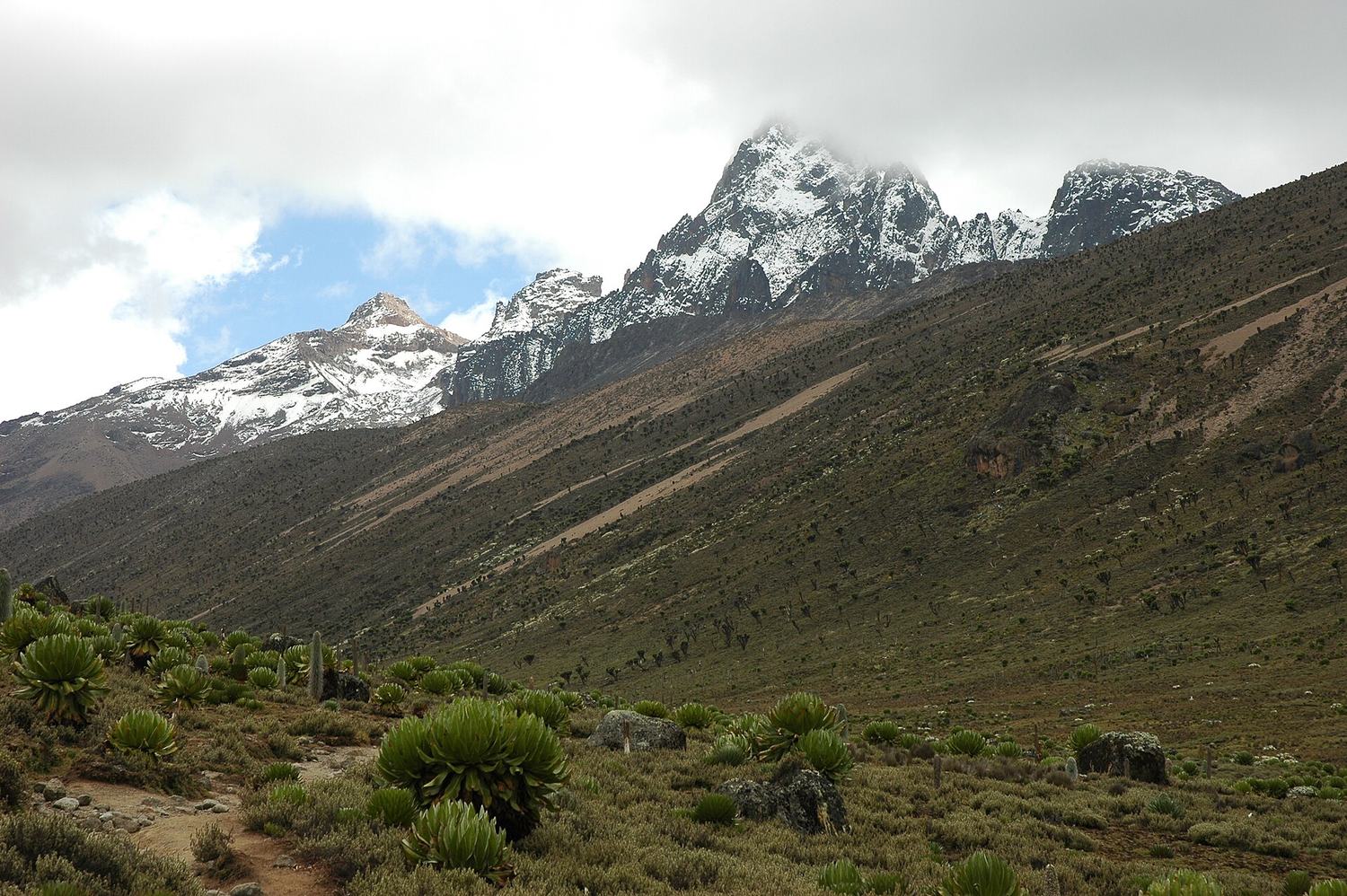
Altitude does not reduce the percentage of oxygen in the air, which stays around 21 percent. It reduces air pressure, so each breath delivers fewer oxygen molecules. At Kampala's height, the effect is small, a few percent in aerobic performance for most people. At higher places, such as Kigezi highlands, Mount Elgon base camps or Mount Kenya, the effect is clearer, and above 2,500 metres many people notice it.
At altitude, your body reacts quickly by breathing faster and raising your heart rate at rest. Over days to weeks, it makes more red blood cells and changes how it uses oxygen. That is why endurance athletes from the highlands of Kenya and Uganda often do very well, having spent years training and living at height.
If you are heading up a mountain
- Go slowly. The most useful advice for hiking is to walk at a pace where you can still talk.
- Climb high, sleep lower when possible, and do not go up too fast.
- Drink plenty of water, and eat enough carbohydrate. Matooke, rice, sweet potato and posho are all good fuel.
- Know the warning signs. A headache with nausea, dizziness and poor sleep can be altitude sickness. If it worsens, the answer is to descend. Confusion, loss of coordination or breathlessness at rest is an emergency.
- Ask a doctor initial if you have heart or lung conditions, are pregnant or have had previous altitude illness.
Putting it all together: a week in Kampala
Here is a sample week that respects the climate.
- Monday: Strength training in the early morning, 45 to 60 minutes, well ventilated.
- Tuesday: Easy 30 minute jog or brisk walk at dawn or after 5 pm.
- Wednesday: Strength session, with extra water and electrolytes if you sweat a lot.
- Thursday: Rest or gentle stretch.
- Friday: Interval session, shorter and slightly easier than in cool weather, done in the morning.
- Saturday: A longer walk, hike or cycle, started early.
- Sunday: Rest.
If it is very hot and humid, move the session indoors, shorten the intervals and extend the rest breaks. A smaller workout done well is better than a hero session that ends with a headache.
Who needs extra care
Older adults, children, people with heart or kidney conditions, and anyone on medications such as diuretics or some blood pressure tablets have a reduced ability to handle heat. They should check with a doctor about fluid and intensity. Pregnant women should avoid overheating and talk to their health provider about suitable exercise.
Key takeaways
- Exercise generates heat, and humidity slows sweat evaporation, so damp days feel harder than dry ones.
- Train in cooler hours, hydrate before, during and after, and cut intensity by 10 to 20 percent when it is very hot.
- Heat acclimatisation takes about 1 to 2 weeks of gradual, regular exposure.
- Altitude reduces the oxygen you get per breath, so go slowly, drink water and descend if symptoms get worse.
- Stop and seek help for confusion, fainting, or a hot body with no sweat.