You do not need expensive gear to start training. You do need clothes that let you move, shoes that suit the work, and a few small items that make the session smoother. Here is a straightforward guide, with Kampala's warm weather in mind.
What to wear
The rule is simple: choose clothes you can squat, bend and reach in without tugging or worrying.
Tops and bottoms
- Breathable fabric. Light cotton blends or synthetic sports fabrics both work. Heavy cotton gets soaked in a humid room and stays wet and heavy. Synthetic fabrics tend to dry faster.
- Shorts or leggings that stay put. Do a quick test at home: squat deeply, lift your leg, and bend over. If anything slips, see-through or rides up, choose another pair.
- Loose but not baggy. Very baggy trousers can catch on machines or pedals. Close-fitting clothes are safer on cardio equipment.
- A T-shirt or vest. If you plan to train with weights, a top that does not flop over your face when you bend is a good idea.
Sports bras and support
Women should choose a well-fitted sports bra with firm support, especially for running, jumping or dance classes. A bra that is comfortable for daily wear is often not enough for impact. If you feel bounce or discomfort, size or style needs changing. Men may prefer supportive underwear for running and jumping.
Layers and modest clothing
If you prefer more coverage for personal or religious reasons, light long sleeves, long leggings or a loose tunic over leggings work fine. Choose breathable fabric so you do not overheat. Many people train in a hijab or head wrap; a lightweight, sweat-friendly fabric is more comfortable than thick cloth.
Shoes
Shoes matter more than most beginners think, because they affect balance and joint comfort.
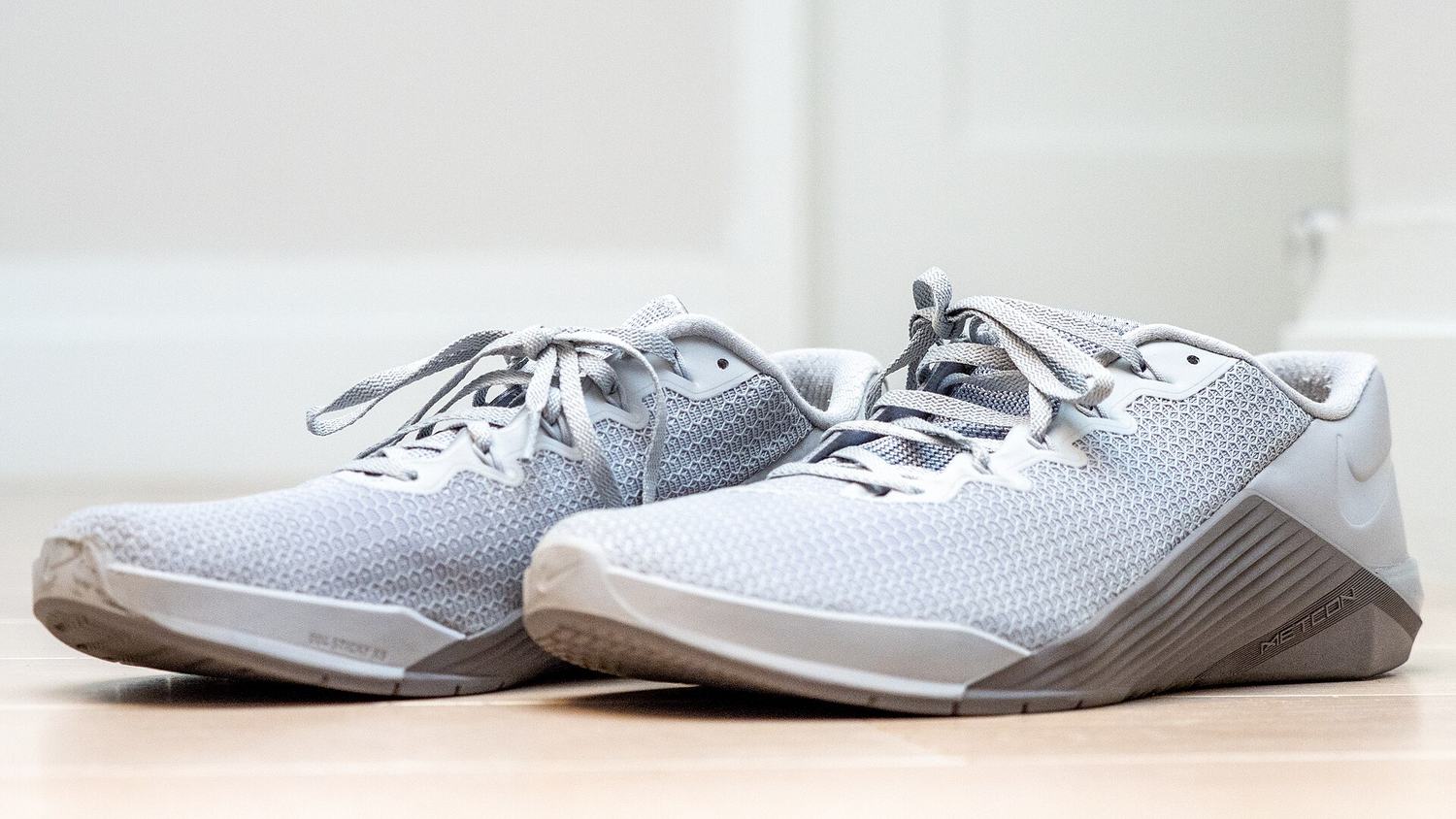
- Flat, stable training shoes are best for lifting and general gym work. A cushioned running shoe has a soft heel that can feel wobbly under heavy squats.
- Running shoes are ideal if your session is mostly treadmill or cardio.
- Dance or aerobics classes need shoes with a bit of cushioning and a sole that lets you turn. Avoid sandals, bare feet on hard floors and shoes with a very grippy sole that locks your foot while you twist.
Do not wear sandals, flip-flops or open shoes on the gym floor. A dropped dumbbell can injure a foot quickly. Make sure the shoes fit well, with a little room for your toes, and tie them firmly.
Bring clean socks. Cotton socks are fine for most people, though thin sports socks help stop blisters.
What to bring in your bag
Keep a small bag packed so you do not have to think each time.
- Water bottle. In warm weather you lose a lot of fluid. Sip during the session rather than gulping at the end. Plain water is enough for a session of an hour or less.
- Small towel. For sweat, and for wiping equipment.
- Padlock. If the gym lockers need your own, bring one. Otherwise take only what you need onto the floor.
- Change of clothes and underwear. You will feel better going back to work or home in fresh clothes.
- Flip-flops for the shower. Wearing them in the changing room keeps your feet clean.
- Toiletries. Soap, deodorant, a comb and lotion. Keep them in a zipped bag so nothing leaks.
- A plastic bag for wet clothes.
- Your workout plan. A note on your phone or a small notebook is enough.
Optional extras
- Hair ties or a headband if you have long hair.
- Earphones if you like music, with one earbud out or low volume so you can still hear instructions.
- A light snack. A banana, a handful of groundnuts or a boiled egg before or after training is plenty. You do not need special products.
- Gloves or wrist straps only if you find your grip or hands are a problem. Most beginners do not need them.
Eating and drinking before you go
You do not need to train on an empty stomach, and you should not train feeling stuffed.
- A light meal 1 to 2 hours before works for most people. For example, a slice of bread with an egg, or a small portion of rice and beans, or a banana and tea.
- Avoid a big plate of matooke or posho and meat right before training. Heavy food sits uncomfortably when you start squatting or jumping.
- After your session, eat a normal balanced meal with some protein, such as fish, beans, eggs or chicken, and carbohydrates such as sweet potato, rice or posho.
Dealing with heat and humidity
Kampala is mild compared with some places, but a closed room with many people gets warm.
- Start drinking water before the session, not only during it.
- Wear light, light-coloured clothes if the gym is not air conditioned.
- If you feel dizzy, sick, or have a pounding headache, stop, sit down and sip water. Do not push through it.
- Give yourself a few minutes to cool down before you step out into the sun or hop on a boda boda.
Common beginner mistakes
- Buying expensive outfits initially. Start with what you already own, and upgrade shoes before clothes if you spend money.
- Wearing the wrong shoes. Heels, sandals and worn out soles are unsafe.
- Forgetting water. Arriving dry and leaving drained is a common reason for headaches.
- Overpacking. A giant bag that you cannot lock away becomes a nuisance.
- Wearing clothes that need constant adjusting. If you are tugging at your top, you are not focusing on the workout.
Key takeaways
- Wear breathable, comfortable clothes you can squat and bend in.
- Closed, stable shoes are essential; never train in sandals.
- Women should choose a well-fitted, supportive sports bra for impact work.
- Pack water, a towel, a padlock, fresh clothes and a simple plan.
- Eat a light meal 1 to 2 hours before and a balanced meal afterwards.
- You do not need costly gear to begin; shoes are the best place to spend money.