Balance is the quiet skill behind almost everything you do: climbing stairs, stepping off a boda, carrying shopping on uneven ground, running, playing football. We rarely think about it until it fails. The good news is that balance can be trained at any age, and a few minutes a few times a week makes a clear difference.
What balance and stability mean
Balance is your ability to stay upright and control your body over your base of support. Stability is the ability of your muscles and joints to keep a position or recover from a push or wobble. Both rely on 3 systems working together:
- Vision, which tells you where you are in space.
- The inner ear, which senses head movement.
- Proprioception, which is the feeling from your muscles, joints and skin about where your body parts are.
Training balance challenges those systems and teaches them to cooperate. Strong legs, hips and trunk help too, which is why balance work and strength work belong together.
Who benefits
Almost everyone:
- Older adults, for whom a fall can lead to serious injury. Balance training is one of the best ways to lower fall risk.
- Runners and football players, who often land on 1 leg and need stable ankles and knees.
- Lifters, because single leg strength and trunk control improve squats and deadlifts.
- Desk workers, who lose coordination and hip control from long sitting.
- People returning from an ankle sprain or knee problem.
If you feel dizzy, have an inner ear problem, or a medical condition that affects your balance, speak to a doctor before starting. Do the drills near a wall or sturdy chair so you can steady yourself.
Principles for progressing
Balance gets harder when you:
- Narrow the base, from 2 feet to a tandem stance to 1 foot.
- Reduce visual help, by closing your eyes (only when it is safe).
- Change the surface, from a firm floor to a folded towel or a cushion.
- Add movement, such as reaching, turning your head or tossing a ball.
- Add load, by holding a weight.
Change only one variable at a time. If you can hold a position for 30 seconds with control, make it a little harder.
Beginner level drills
Practise near a wall or counter.
- Tandem stance: 1 foot directly in front of the other, heel to toe. Hold 30 seconds, then switch.
- Single leg stand: lift 1 foot a few centimetres, hold up to 30 seconds per leg. Use a finger on the wall if needed.
- Heel to toe walk: walk in a straight line placing the heel of one foot against the toes of the other for 10 steps.
- Weight shifts: feet hip width apart, slowly shift your weight to 1 side and lift the opposite foot for a second, then switch.
Intermediate drills
- Single leg stand on a folded towel: 30 seconds per leg.
- Single leg reach: stand on 1 leg and slowly reach the opposite hand toward your foot, then back up. 8 reps per side.
- Clock reach: imagine a clock face around your standing foot and tap the other foot at 12, 3 and 6 o'clock positions. 5 rounds each side.
- Single leg Romanian deadlift: holding a light weight or nothing at all, hinge forward on 1 leg while the other leg reaches back. 8 reps per side. It trains balance, hamstrings and glutes together.
- Step up with a knee drive: step onto a low step, drive the opposite knee up and hold for 2 seconds. 8 per side.
Advanced drills
- Single leg stand with eyes closed: only with a wall within reach. Aim for 15 to 20 seconds.
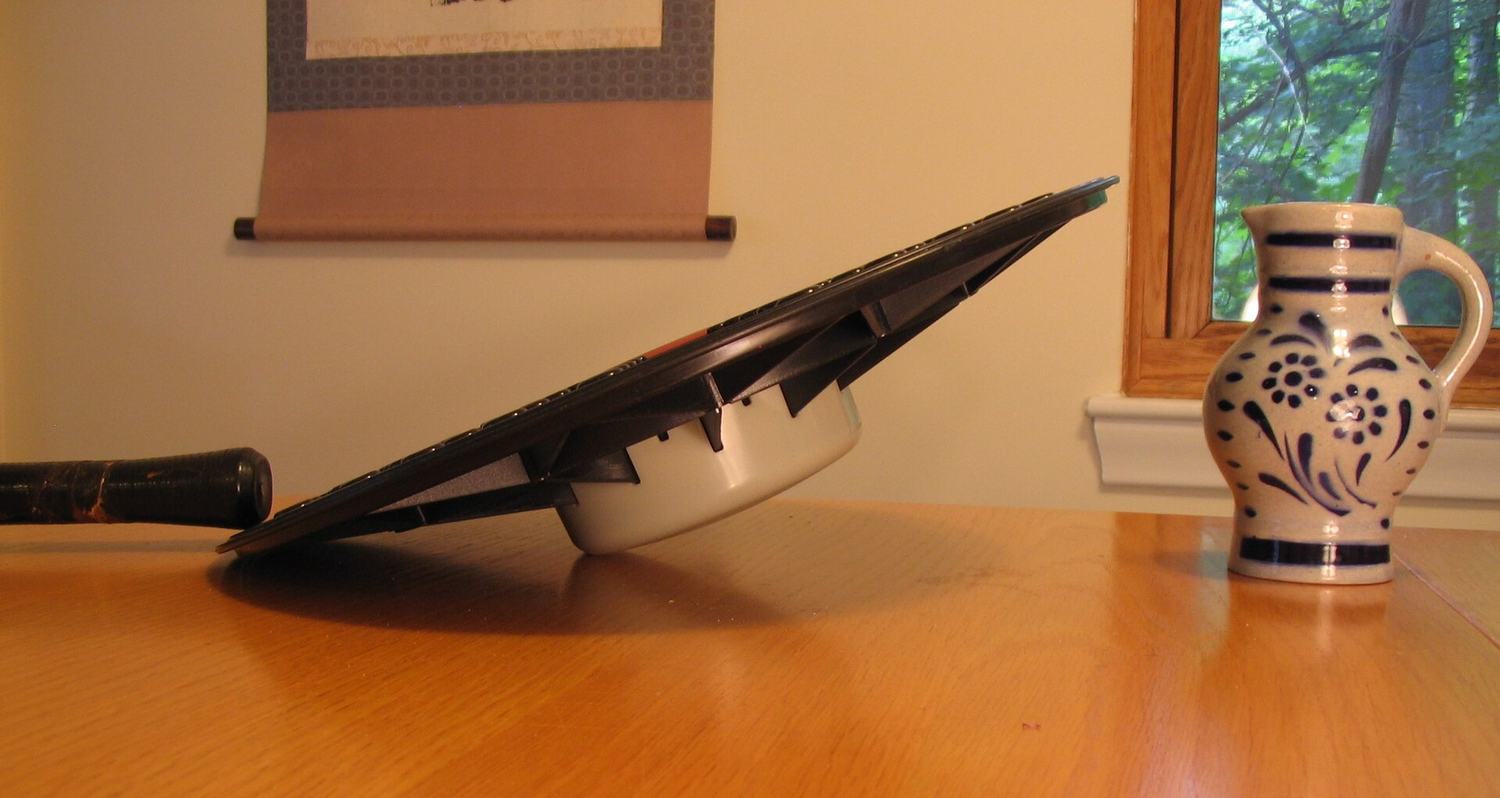
- Bosu or wobble board squats: done carefully, with light load.
- Single leg squat to a box: 5 to 8 reps per leg.
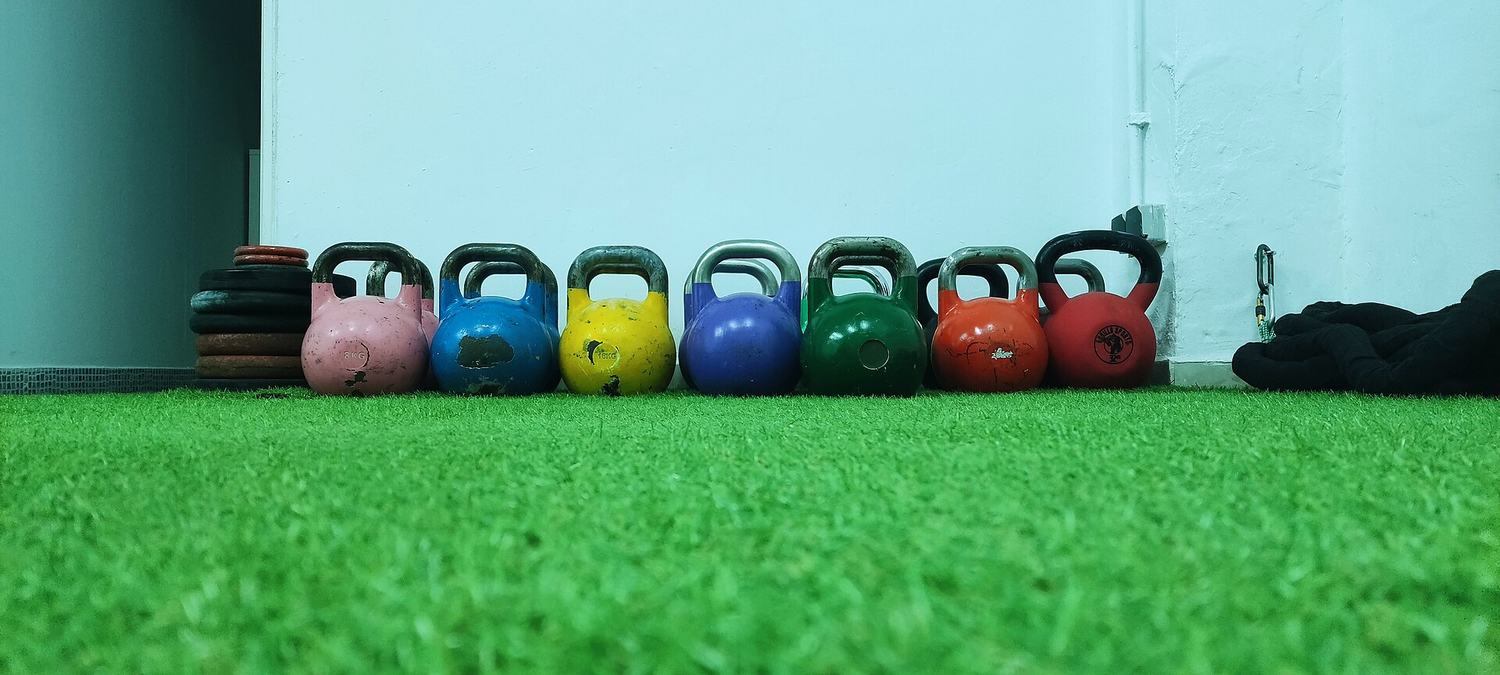
- Carries: a suitcase carry with a heavy dumbbell in 1 hand, walking 20 to 30 metres. Your trunk has to resist leaning to the loaded side.
- Throw and catch on 1 leg: with a partner or against a wall.
Core stability: the other half
Your trunk keeps the spine steady while the limbs move. Good stability exercises:
- Plank: 3 sets of 20 to 40 seconds.
- Side plank: 2 sets of 20 to 30 seconds per side.
- Bird dog: 2 sets of 8 per side.
- Pallof press: with a band, press straight out from your chest and resist the pull to rotate. 10 per side.
A weekly plan
Add 10 minutes after your warm up, 3 days a week.
- Single leg stand, 2 x 30 seconds each leg.
- Single leg reach or clock reach, 2 x 8 each leg.
- Single leg Romanian deadlift, 2 x 8 each leg.
- Suitcase carry, 2 x 20 metres each side.
- Side plank, 2 x 20 seconds each side.
Stay with a level until it feels easy, then progress 1 variable. 2 to 4 weeks is a normal time to move on.
Walking, dance and everyday balance
Balance improves when you do things that challenge it in daily life. Walk on uneven grass instead of only the pavement, stand on 1 leg while brushing your teeth, take the stairs without holding the rail if it is safe, play a game of football or dance. Many group classes build balance without feeling like an exercise.
Common mistakes
Making it too hard too soon. Standing on a wobbly cushion with your eyes closed on day 1 invites a fall. Build gradually.
Gripping and holding your breath. Stay relaxed and breathe normally.
Ignoring the weaker side. Start with your weaker leg and match the time on the stronger one.
Doing balance work when exhausted. Fatigue makes balance poor. Do it early in the session, when you are fresh.
Key takeaways
- Balance relies on vision, the inner ear and the body's position sense, and all 3 can be trained.
- Make drills harder one step at a time: narrower base, less visual help, an unstable surface, movement or load.
- Combine single leg work with core exercises such as planks, bird dogs and carries.
- 10 minutes, 3 days a week is enough to see improvement within a few weeks.
- Practise near a support, and speak to a doctor initially if you get dizzy or have a condition that affects balance.