Good nutrition does not need quinoa, kale smoothies or a special diet. Uganda has some of the best everyday foods for a training body. The challenge is usually proportion: plates heavy on starch, light on vegetables, and short on protein. Adjusting the balance is simpler than most people expect.
The plate method
Picture your plate divided into 3 parts.
- About half vegetables and fruit: greens, tomatoes, cabbage, carrots, pumpkin, eggplant, avocado, and fresh fruit on the side
- About a quarter protein: fish, chicken, beef, eggs, beans, peas or groundnut sauce
- About a quarter starch: matooke, posho, rice, cassava, sweet potato, Irish potato or millet
Add a small amount of healthy fat, such as avocado or a little cooking oil, and a drink of water. This is a guide, not a rule to measure with a ruler. If you have trained hard that day, make the starch portion larger. If your day is quiet, keep it closer to a quarter.
Many traditional Ugandan plates look different. A common lunch is a mound of posho or matooke covering most of the plate, a spoonful of beans, and a few leaves. The foods are fine. The ratio is what needs shifting.
Staple starches: what each gives you
Starches are your main fuel, and they are not equal.
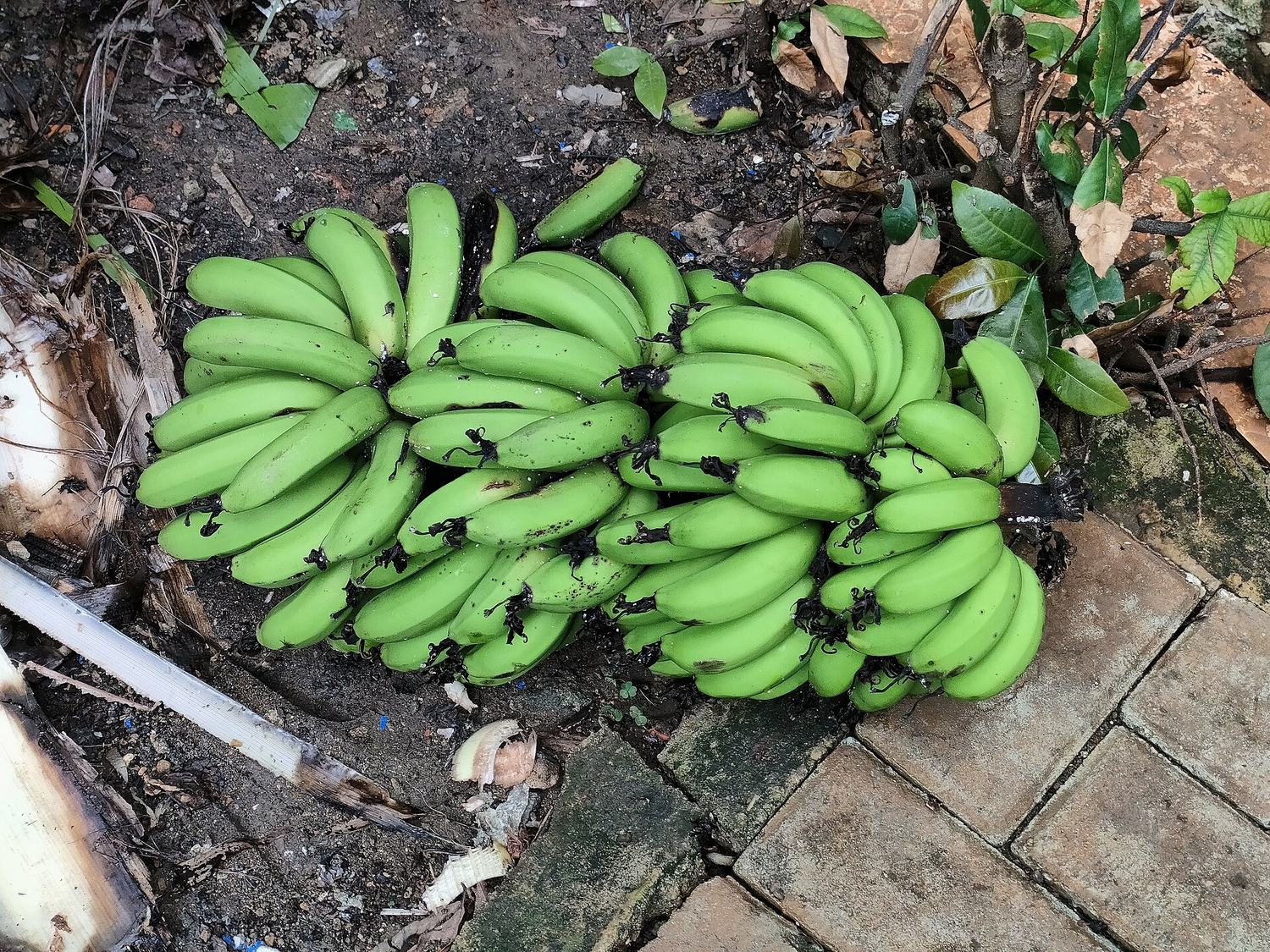
- Matooke: a good source of potassium and carbohydrate, filling, low in fat when steamed
- Posho (maize meal): cheap energy, but low in fibre and micronutrients when refined. Whole maize meal is better when you can find it.
- Rice: easy to digest, a useful pre-training or post-training carbohydrate. Brown or parboiled rice has more fibre.
- Sweet potatoes: more fibre and vitamins than most starches, especially the orange varieties which supply vitamin A
- Cassava: energy, but very low in protein, so pair it with beans or fish
- Millet: a nutritious grain with more fibre and minerals than refined posho
You do not need to give any of these up. Rotate them through the week and your meals will be more varied without any extra effort.
Protein and plant foods that fill the gaps
Beans are the backbone of affordable Ugandan nutrition: protein, fibre, iron and slow-release energy for very little money. Eat them often. Groundnut sauce adds protein and healthy fat. Fish, eggs and chicken all fit easily on the protein quarter.
For vegetables, aim to eat different colours through the week:
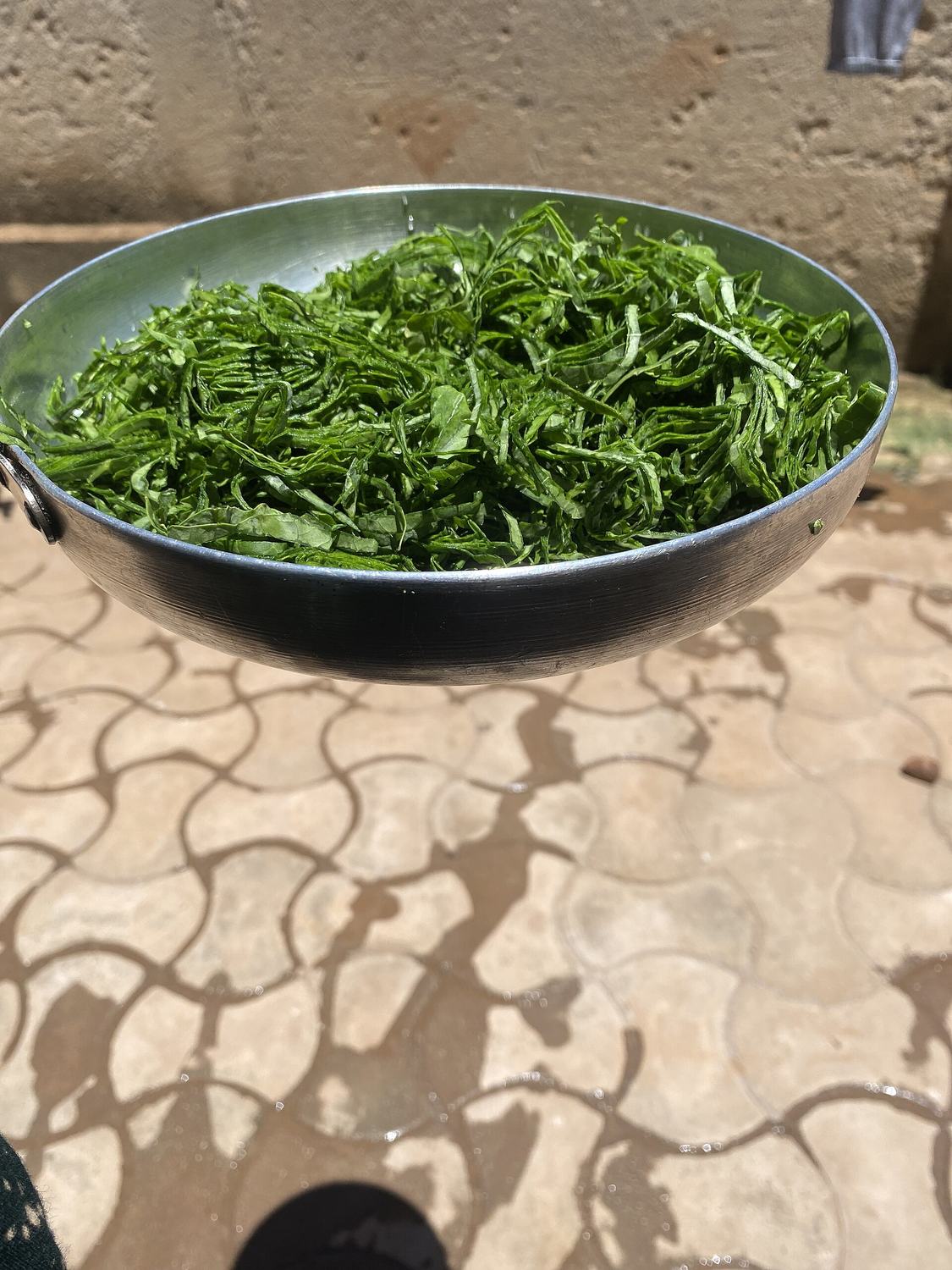
- Dark leafy greens such as dodo, sukuma wiki, nakati and spinach for iron, folate and vitamin K
- Orange and yellow foods like pumpkin, carrots and pawpaw for vitamin A
- Red foods such as tomatoes and red peppers
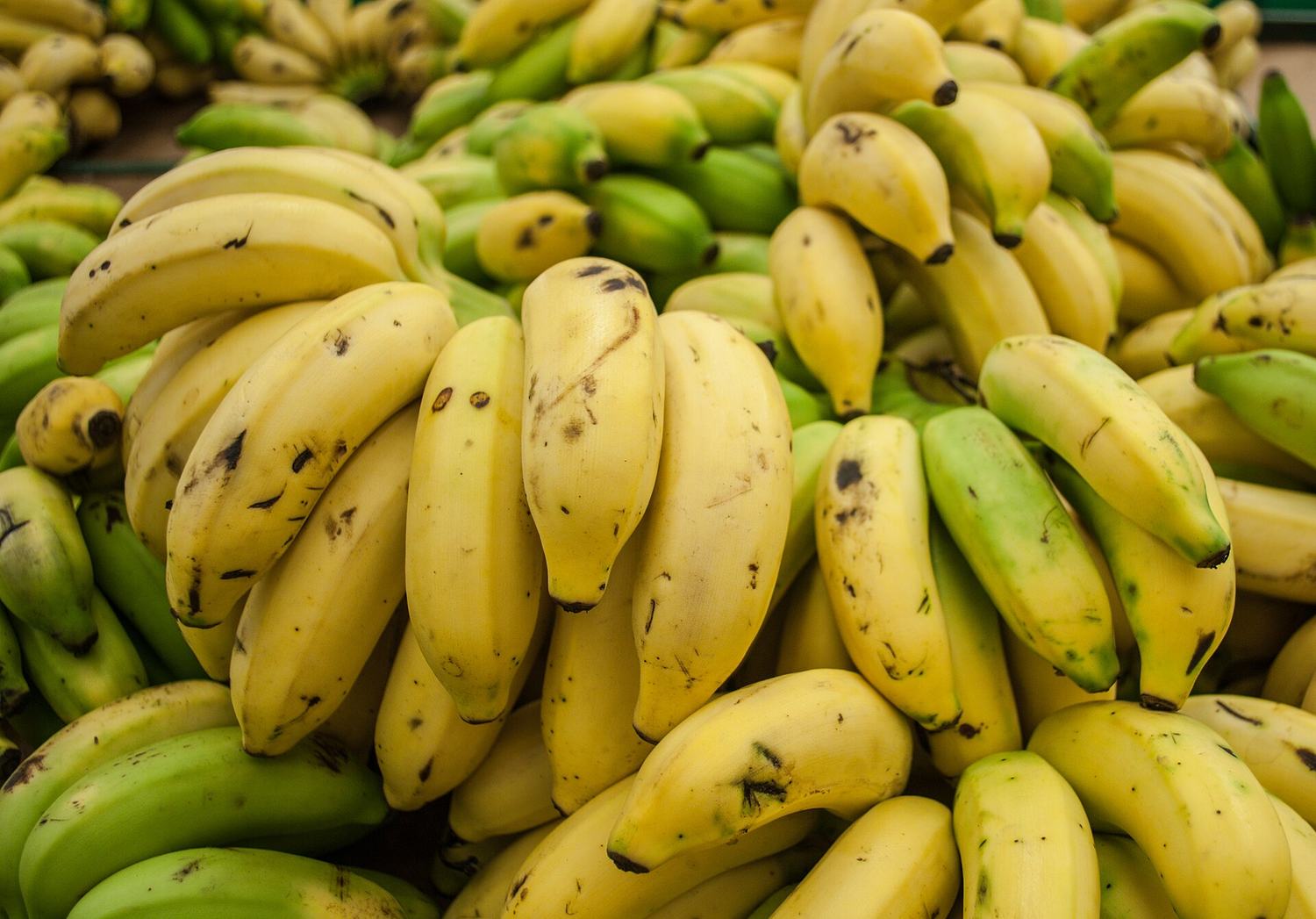
- Fruit such as oranges, mangoes, pineapple, passion fruit and bananas for vitamin C and fibre
Overcooking destroys many vitamins. Steam or quickly sauté greens instead of boiling them for a long time.
3 sample plates
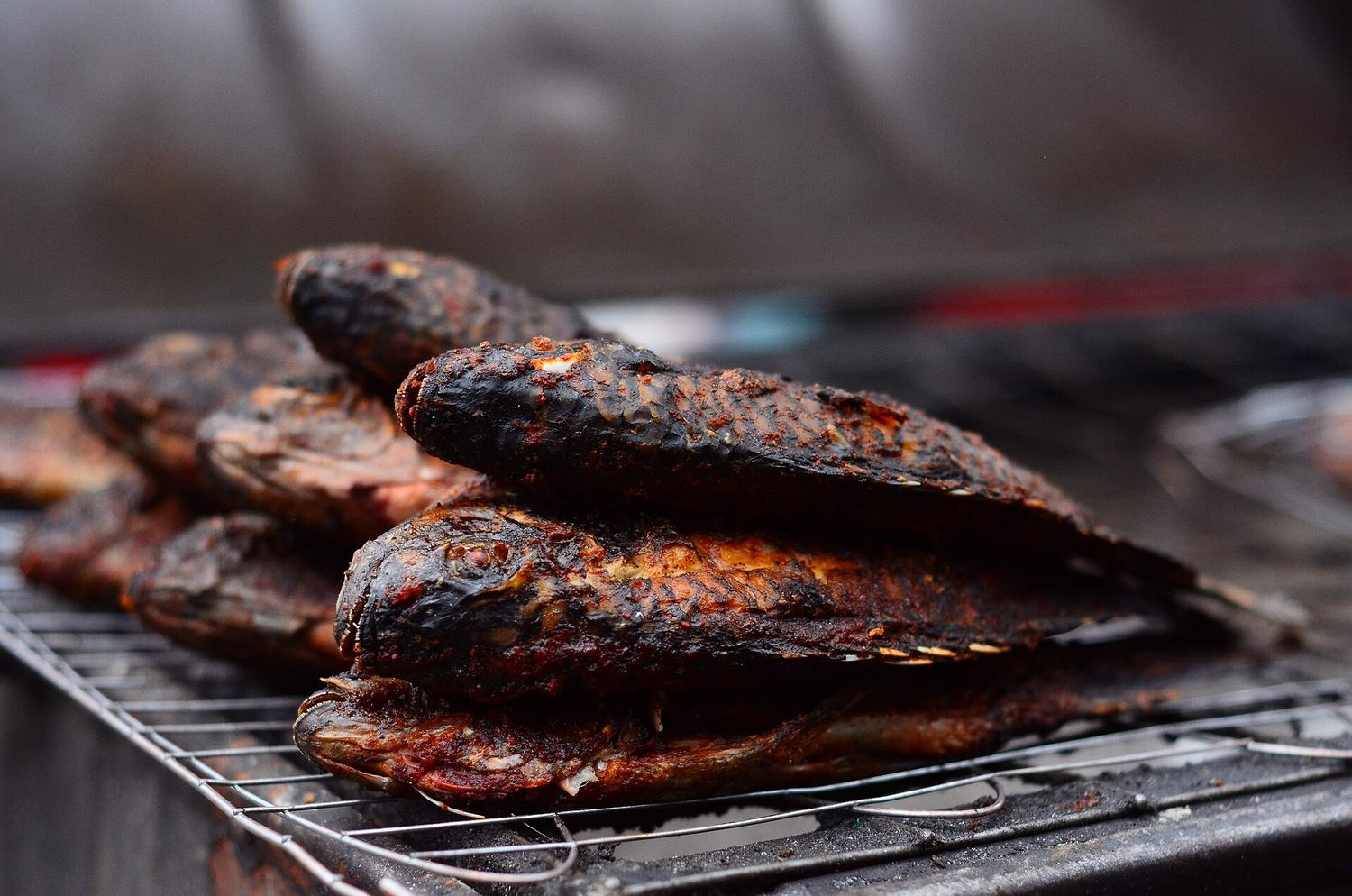
Training day lunch: a fist and a half of steamed matooke, a palm-sized piece of grilled tilapia, a generous portion of sautéed greens with tomato and onion, and a few slices of avocado.
Easy weekday supper: rice, a cup of beans cooked with a little oil and onion, sliced cabbage and carrot salad, and a glass of water.
Lighter rest day meal: a smaller portion of sweet potato, 2 boiled eggs, a large portion of vegetables, and a piece of fruit.
Notice that none of these require special products. They use food from a normal market and cook on a normal stove.
Mistakes that unbalance the plate
Too much starch. A very large portion of posho or rice leaves less space for protein and vegetables. If you are still hungry after a plate, add more vegetables or beans rather than more starch.
Too little protein at breakfast. Tea with bread or mandazi gives energy that does not last. Add eggs, milk or groundnuts.
Too much oil. Cooking oil is calorie dense. A tablespoon is about 120 calories. Many pots of stew or fried food hide several tablespoons per portion. Measure your oil for a week and you may be surprised.
Sugary drinks as a habit. Sodas, sweetened juice and heavily sugared tea add up quickly. If you take 3 teaspoons of sugar in tea 3 times a day, that is a lot of sugar you never counted.
Skipping vegetables because they feel like a side dish. They are what supply much of your fibre, vitamins and minerals, and they help keep you full on fewer calories.
Adjusting the plate to your goal
If you want to lose fat, keep the same structure but reduce the starch to a smaller portion, keep protein firm, and add extra vegetables. If you want to gain muscle, enlarge both the starch and protein portions and add a snack in between meals, such as bananas with groundnuts or milk with bread.
If you have diabetes or high blood pressure, the plate method is still a good base, but portions of starch and salt need individual guidance. A doctor or a dietitian can help you set them correctly.
Eating well on a budget
Seasonal fruit and vegetables bought at the market are often cheaper than packaged foods. Beans, eggs, dried fish and groundnuts are the cheapest high-quality proteins. Buying staples in larger amounts and cooking in batches saves both money and time. You do not need an expensive diet to eat well.
Key takeaways
- Aim for about half your plate as vegetables and fruit, a quarter protein and a quarter starch.
- Matooke, sweet potato, rice, millet and posho are all fine, and rotating them adds variety.
- Beans, eggs, fish and groundnuts are affordable, high-quality protein sources.
- Watch hidden oil, sugary tea and oversized starch portions.
- Increase starch and protein portions on heavy training days and reduce starch slightly on quiet days.