Running looks simple. You put 1 foot in front of the other and keep going. Yet every step is a small collision between your body and the ground, repeated many times in a run. Understanding stride, cadence and impact helps you run more comfortably, and it helps you avoid some of the aches that stop beginners.
What happens in a step
A running stride has 2 main phases.
- Stance: The foot is on the ground. It lands, absorbs your body weight, and then pushes off.
- Flight: Both feet are off the ground, and you are briefly airborne.
At the moment of landing, the ground pushes back on you with a force that is roughly 2 to 3 times your body weight at a normal jogging pace. Your body absorbs that force through the foot, ankle, calf, knee, hip and spine. Muscles and tendons act as springs and shock absorbers, storing energy as you land and returning some of it as you push off. This is part of why running is efficient, and why strong calves and feet matter.
Stride length and cadence
Your speed is the product of 2 things: how long each step is, and how many steps you take per minute. These are called stride length and cadence.
- Stride length is the distance covered in 1 step.
- Cadence is the number of steps per minute.
Many people try to run faster by reaching out with longer steps. This often backfires. Overstriding means your foot lands far ahead of your body, with the leg straight. This acts like a brake on every step, and it increases the impact through the knee and hip.
A more efficient approach for most people is to increase cadence slightly. Taking quicker, shorter steps tends to place the foot closer under the body, and lowers the load on the joints with each landing.
What cadence should you aim for?
There is no perfect number. Taller runners and slower paces tend to have a lower cadence, and faster runners and shorter people tend to have a higher one. A popular figure of 180 steps per minute comes from observing elite runners, but it is not a target for everyone. A casual jogger might naturally sit around 150 to 170.
If you want to experiment, here is a safe method:
- Count your steps for 30 seconds during an easy run, and double it.
- Aim to increase by about 5 percent, for example from 155 to 163.
- Use a metronome app or a playlist with a matching beat.
- Try it for a few runs. If it feels natural and your legs feel lighter, keep it. If not, return to your usual cadence.
Do not change too much too quickly. A big jump can overload the calves and Achilles tendon.
Foot strike: heel, midfoot or forefoot
People argue about foot strike endlessly. The honest answer is that there is no best way. Most recreational runners land on the heel or midfoot, and many run for years without trouble. What matters more is where the foot lands relative to your body. A heel strike with the foot under your hips is fine. A heel strike far out in front with a straight knee is more of a problem.
Changing your foot strike abruptly can cause calf and Achilles injuries. If you want to experiment, do it gradually on short runs, and focus initial on cadence and posture rather than the part of the foot that lands.
Posture, arms and relaxation
A few simple habits make a visible difference.
- Stand tall. Imagine a string lifting you from the top of the head. A slight forward lean should come from the ankles, not from bending at the waist.
- Keep your arms relaxed. Elbows bent at about 90 degrees, swinging back and forth, not across the body. Hands loose, as if holding a crisp.
- Relax the shoulders and jaw. Tension wastes energy.
- Look ahead, not down at your feet.
- Breathe naturally. Do not force a pattern. If you cannot talk in short sentences on an easy run, you are going too fast.
Managing impact and avoiding injury
Most running injuries come from doing too much too soon, rather than from poor form alone. Bones, tendons and cartilage adapt more slowly than your lungs and heart. You can feel fit enough to run further while your shins and knees are not ready.
Practical guidelines:
- Build up gradually. Increase your weekly running time or distance by about 10 percent at most, and include easier weeks.
- Mix running with walking at the start. Try 1 minute of jogging and 2 minutes of walking, repeated for 20 to 30 minutes, 3 times a week. Progress slowly from there.
- Choose softer surfaces when possible. Packed dirt or grass is gentler than tarmac or concrete. Kampala's roads can be uneven, so watch for potholes and uneven edges.
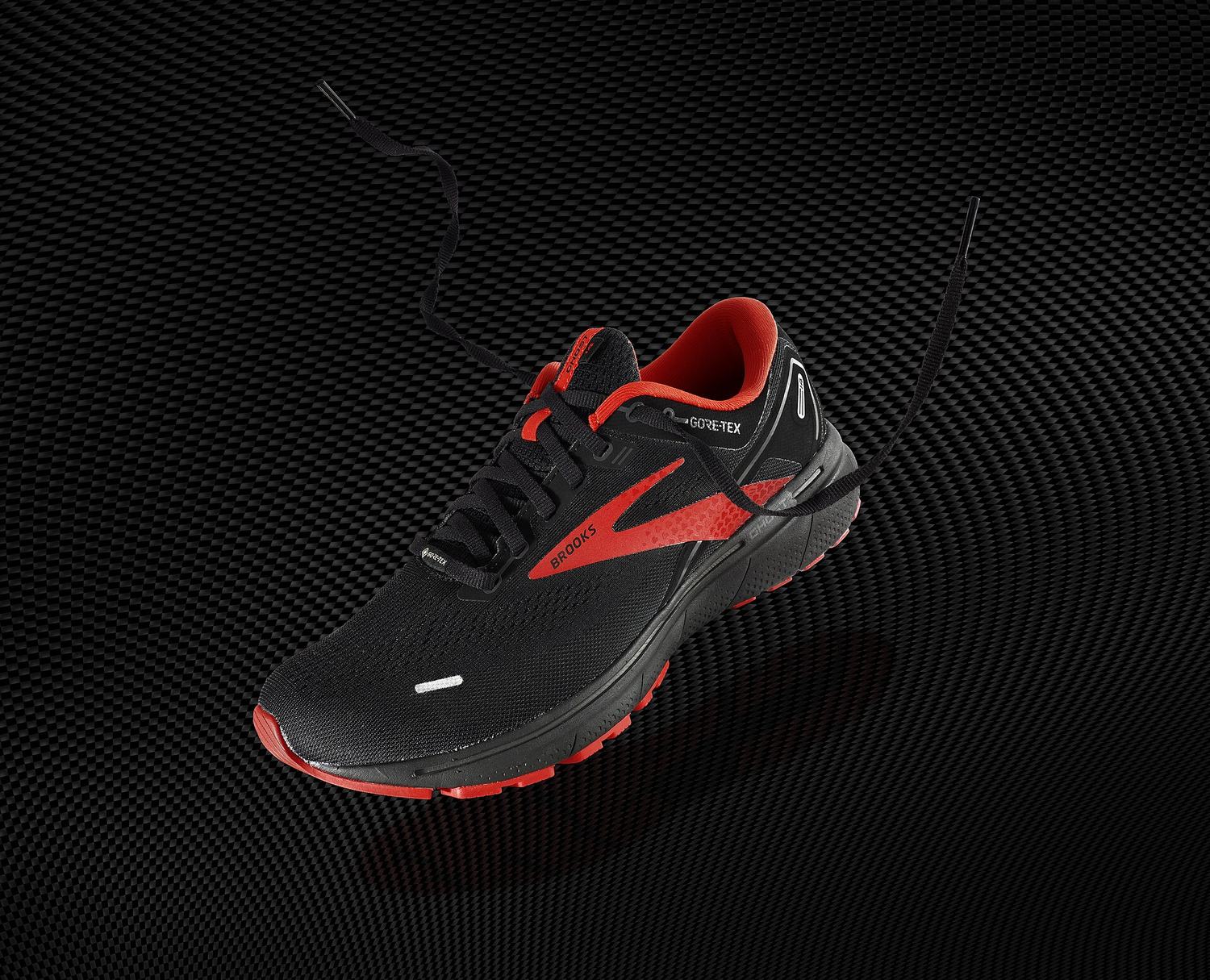
- Wear suitable shoes. Shoes with some cushioning that feel comfortable are good. Replace them after several hundred kilometres, when the cushioning gets flat.
- Strengthen your legs. Calf raises, single leg squats, glute bridges and step-ups make your legs better at handling impact.
- Rest days matter. 2 or 3 non-running days per week allow your tissues to recover.
Common problems and what they often mean
- Pain along the front of the shin: Often from a sudden jump in mileage or hard surfaces. Cut back and strengthen the calves.
- Pain around the kneecap: Frequently linked to weak hips and overstriding. Strengthen the glutes and try a slightly higher cadence.
- Tight, sore Achilles: Often from fast increases in speed or hill work. Reduce load and avoid sudden changes.
- Sore feet and arches: Can follow a new shoe or a change in surface. Add foot strengthening exercises, such as toe curls and short foot holds.
If pain is sharp, getting worse as you run, makes you limp, or lingers for more than a week, see a physiotherapist or doctor instead of running through it.
Running in a hot climate
On hot days your heart rate will run higher and your pace will drop. Run early in the morning or in the evening, carry water on longer routes, and be flexible with pace. Your stride and cadence usually stay similar, but fatigue changes form. Late in a hot run, you may notice shorter strides and sagging posture. When that happens, slow down or walk for a minute.
A simple 4 week starter plan
For a beginner aiming at 30 minutes of continuous easy running, 3 days per week with at least 1 rest day between sessions:
- Week 1: 8 rounds of 1 minute jog and 2 minutes walk.
- Week 2: 8 rounds of 2 minutes jog and 2 minutes walk.
- Week 3: 6 rounds of 3 minutes jog and 1 minute walk.
- Week 4: 4 rounds of 5 minutes jog and 1 minute walk.
Add 2 short strength sessions each week to protect your joints. If you are returning to exercise after a long break or have a medical condition, ask your doctor before you begin.
Key takeaways
- Each running step creates an impact of a few times your body weight, absorbed by muscles and tendons that need strength to cope.
- Overstriding acts like a brake, so a slightly quicker cadence of about 5 percent often feels lighter and smoother.
- There is no best foot strike. Focus on landing under your body and change things gradually.
- Most injuries come from increasing distance or speed too fast, so progress slowly and keep rest days.
- Strengthen your calves, glutes and feet, and see a physiotherapist for pain that is sharp or lingers.