Fat suffered through decades of bad press, and many people still try to remove it from their meals completely. That is a mistake. Your body needs fat to build cell membranes, produce hormones, absorb certain vitamins and keep you satisfied after eating. What matters is the type and the amount.
What fat does in your body
- Energy: fat has about 9 calories per gram, more than double protein or carbohydrate. It is a major fuel for low to moderate intensity exercise, including long walks and easy runs.
- Vitamin absorption: vitamins A, D, E and K need fat to be absorbed. A salad without any fat absorbs fewer of these than one with a little avocado or oil.
- Hormones: fat is needed to make hormones including those involved in reproduction and recovery. Very low fat diets over time can disturb them.
- Brain and nerves: a large part of your brain is fat, and certain fats support its function.
- Fullness: fat slows digestion, which helps you feel satisfied for longer.
The main types of fat
Unsaturated fats: eat these regularly
These are the fats most strongly linked with better heart health.
- Monounsaturated fats are found in avocado, groundnuts, olive oil and many nuts.
- Polyunsaturated fats include omega-3 and omega-6 fats. Omega-3 fats come from oily fish and some seeds. The body cannot make them, so you need to eat them.
Saturated fats: keep moderate
Saturated fat is found in fatty meat, butter, ghee, full fat dairy, palm oil and coconut oil. You do not need to avoid it entirely, but the general advice is to keep it to a modest share of your fat intake and replace some with unsaturated fat where you can.
Trans fats: avoid
Industrial trans fats, found in some margarines, shortenings and packaged baked goods, raise harmful cholesterol and lower the protective kind. Check labels for "partially hydrogenated oil" and leave those products on the shelf.
Where to find healthy fats locally
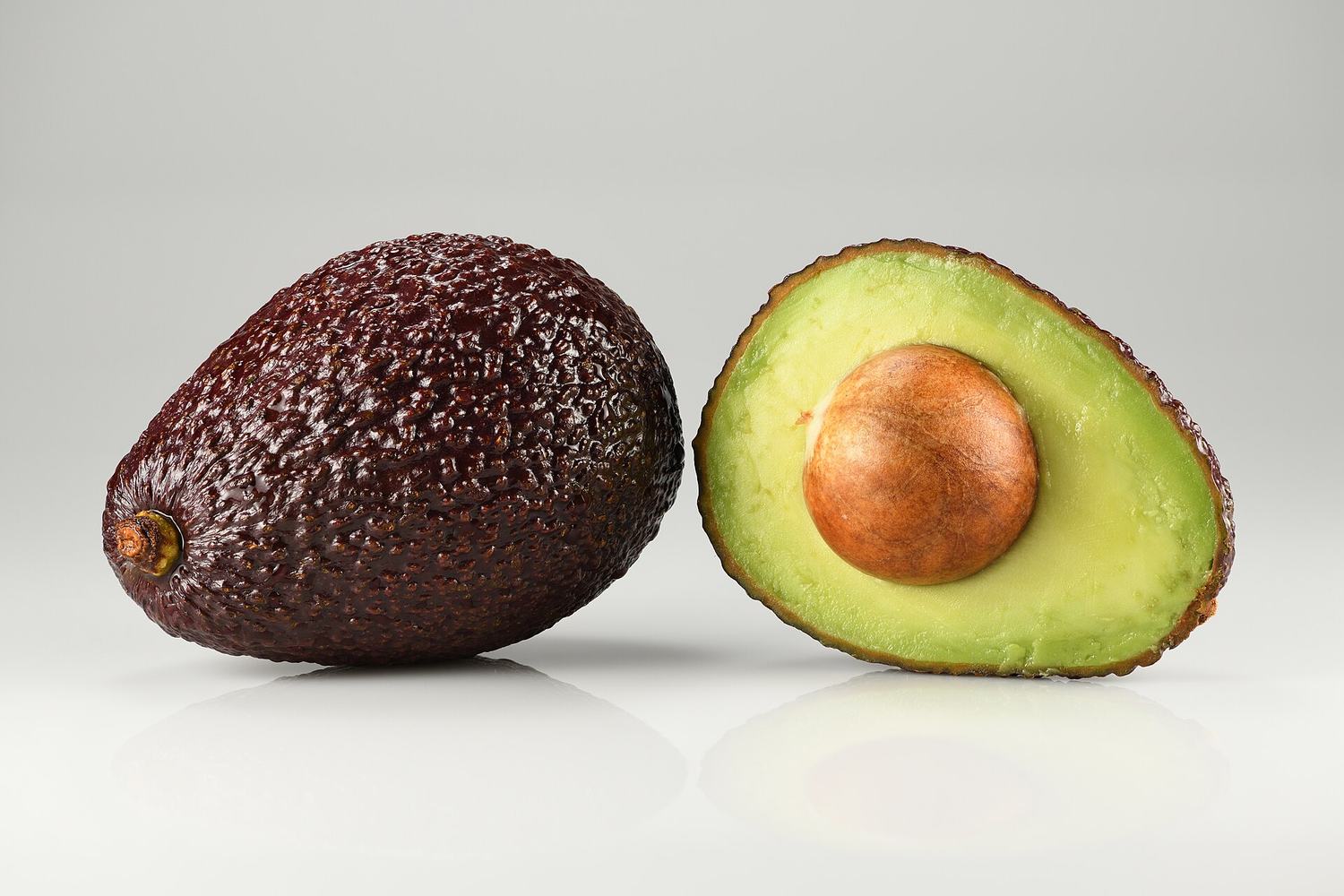
- Avocado: widely available and cheap in season, a great source of monounsaturated fat and fibre
- Groundnuts: roasted or in groundnut sauce, though watch the portion size
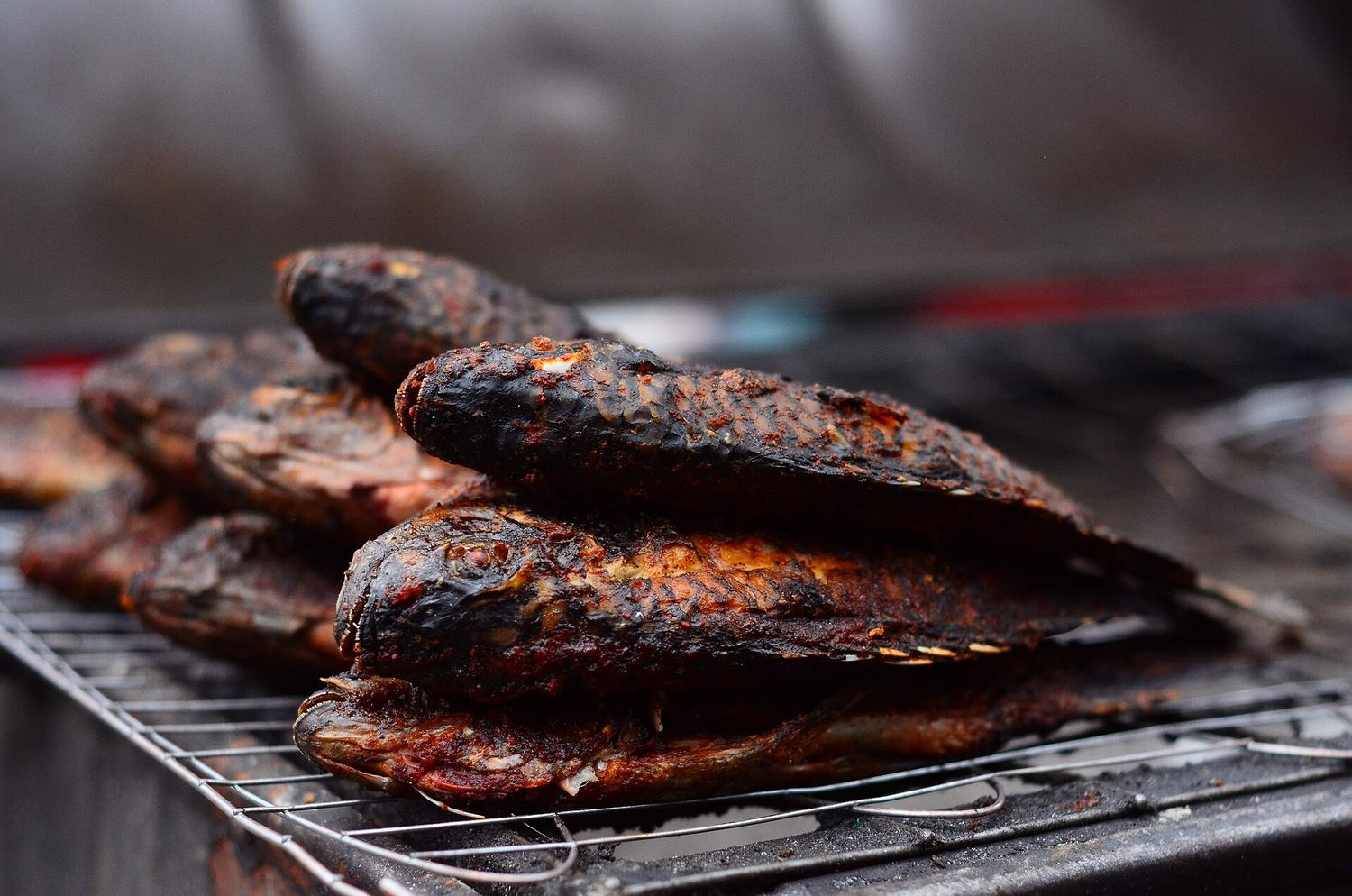
- Fish: tilapia, Nile perch, mackerel and sardines supply omega-3 fats, particularly the oilier fish
- Simsim (sesame) seeds and paste: good as a topping or in sauces
- Sunflower and other seeds
- Eggs: the yolk carries fat as well as vitamins and choline
- Cooking oils: sunflower or other vegetable oil in small amounts, and olive oil if you can afford it
- Nuts: cashews, macadamia and others, in a small handful
How much fat do you need
A common recommendation is that fat provides about 20 to 35 percent of your daily calories. For someone eating 2,200 calories, that is roughly 50 to 85 grams. Going much lower for long periods is not wise.
Because fat is calorie dense, portions matter. A tablespoon of oil has about 120 calories. A whole medium avocado can contain over 200 calories. A handful of groundnuts is roughly 160 to 190 calories. They are healthy foods, but eating them without thought can quietly add several hundred calories a day.
Practical portions:
- Avocado: a quarter to half a fruit per meal
- Groundnuts or other nuts: a small handful, about 30 grams
- Cooking oil: 1 to 2 teaspoons per person when sautéing, rather than glugging from the bottle
- Fish: 2 portions a week, including one oily type if possible
Cooking methods matter
How you cook affects how much fat goes into your food.
- Steam, boil, grill or bake more often than deep fry
- Use a non-stick pan or a little water to start onions without a lot of oil
- Do not reuse frying oil repeatedly, since reheated oil breaks down into harmful compounds
- Trim visible fat from meat and remove chicken skin if you want to cut calories
Street foods such as chips, samosas and rolex are often fried in oil used many times. Enjoy them as occasional treats rather than daily food.
Fat and training
Fat is not a good fuel for high intensity efforts such as heavy lifts or sprints. These rely on carbohydrate. Do not eat a high fat meal right before hard training, because it slows digestion and can leave you feeling sluggish. Save fats for meals further away from sessions, and keep them moderate in the meals around training.
Common mistakes
Going very low fat. You may feel hungry all the time and your hair, skin and hormones can suffer.
Eating too many "healthy" calories. Nut butters, avocado and oil are all healthy and still calorie rich.
Assuming all oils are equal. Palm oil is high in saturated fat. Use it less often than sunflower or olive oil.
Using supplements in place of food. Fish oil capsules can help people who never eat fish, but eating fish gives you protein and other nutrients too.
Ignoring cholesterol. If you have a family history of heart disease, high blood pressure or high cholesterol, ask a doctor to check your numbers and advise on diet.
Key takeaways
- Fat is essential for hormones, vitamin absorption, brain function and fullness.
- Favour unsaturated fats from avocado, groundnuts, fish, seeds and vegetable oil.
- Keep saturated fat moderate and avoid industrial trans fats.
- Fat is calorie dense, so measure portions of oil, nuts and avocado.
- Aim for fat to supply roughly 20 to 35 percent of calories, and keep high fat meals away from hard sessions.