Ask 10 people at the gym how much protein to eat and you will get 10 different answers, usually followed by a recommendation to buy a tub of powder. The truth is calmer and cheaper. Most people need more than the bare minimum, far less than the internet shouts about, and can get there with ordinary food.
What protein actually does
Protein is made of amino acids, the building blocks your body uses to repair muscle, make enzymes and hormones, keep skin and hair healthy and support the immune system. When you lift weights or train hard, you create tiny areas of damage in muscle fibres. Protein supplies the material to rebuild them, and the rebuilding is what makes you stronger.
Your body does not store protein the way it stores fat or carbohydrate, so you need a steady supply through the day. That is why how you spread it matters almost as much as the total.
How much is enough
The general recommended intake for healthy adults who do not train is about 0.8 grams per kilogram of body weight per day. That number is a minimum to prevent deficiency, not a target for someone lifting 3 or 4 times a week.
For people who train regularly, sports nutrition guidance commonly lands between 1.2 and 2.0 grams per kilogram per day. Here is a simple way to place yourself:
- Walking, light activity, general health: around 0.8 to 1.0 g/kg
- Regular training, aiming to stay fit and recover well: around 1.2 to 1.6 g/kg
- Building muscle or cutting body fat while keeping muscle: around 1.6 to 2.0 g/kg
So a 70 kg person who trains 4 times a week and wants to build muscle should aim for roughly 110 to 140 grams a day. Going well above 2 g/kg rarely adds anything. It mostly adds cost.
Older adults often benefit from the higher end of the range, because muscle becomes less responsive to protein with age. If you have kidney disease or any condition that affects how you process protein, speak to your doctor before raising your intake.
Spreading protein across the day
Many Ugandans eat most of their protein at supper and very little at breakfast. A cup of tea and a mandazi gives almost none. Muscle responds better when protein arrives in several moderate portions, roughly 20 to 40 grams per meal, 3 or 4 times a day.
A practical pattern:
- Breakfast: 2 or 3 eggs, or a bowl of porridge made with milk plus boiled eggs or groundnuts
- Lunch: a palm-sized or larger portion of fish, chicken, beef or a generous serving of beans
- Afternoon snack: milk, yoghurt, roasted groundnuts, or boiled eggs
- Supper: meat, fish, or beans with a starch and vegetables
If you wake up and train early, having something with protein soon after, even a glass of milk and an egg, helps recovery.
Local protein sources worth knowing
You do not need imported products. Good, affordable options include:
- Eggs: about 6 grams each, cheap and easy to carry boiled
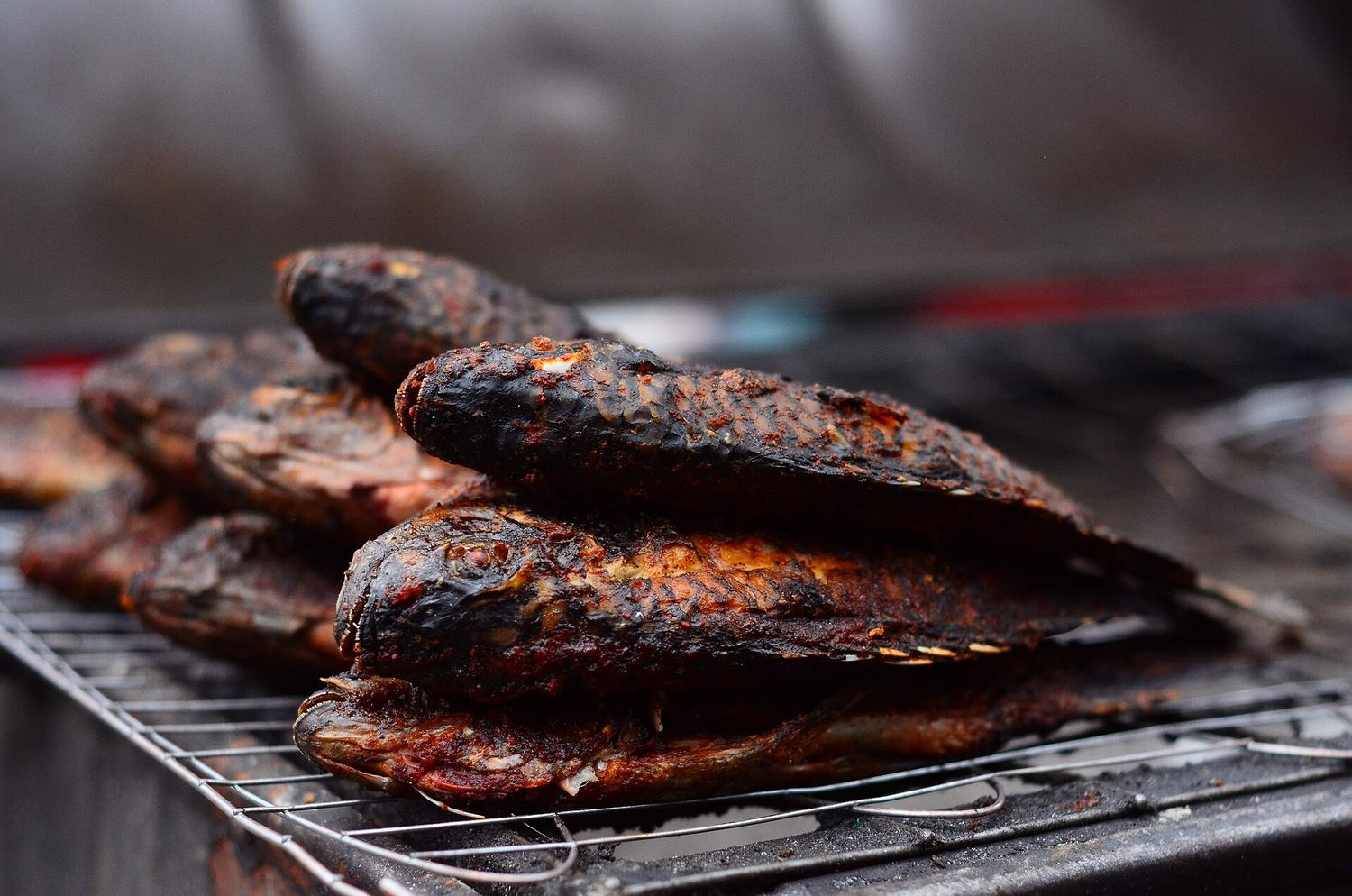
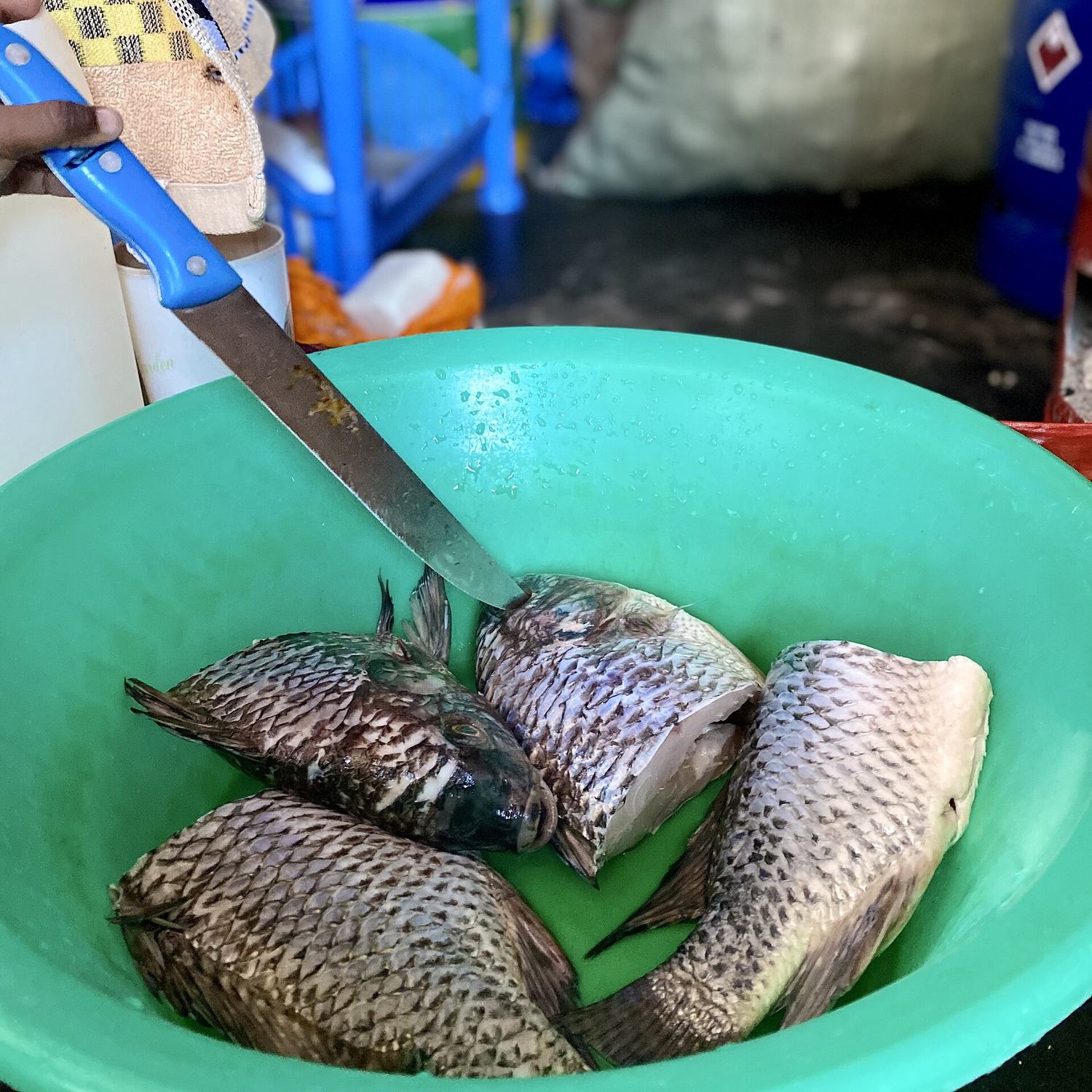
- Fish: tilapia, Nile perch, and the small dried fish such as mukene and omena, which are rich in protein and calcium
- Chicken and beef: lean cuts of chicken breast or thigh, and beef without heavy fat
- Beans, peas and lentils: good protein plus fibre, best combined with a grain like rice or posho
- Groundnuts and simsim: protein plus healthy fats, but calorie dense, so watch portions
- Milk, yoghurt and cheese: easy to add to meals
- Soya: soya pieces, soya milk and tofu suit vegetarians
A rough guide to portions: a cooked piece of chicken or fish about the size of your palm gives around 25 to 30 grams of protein. A cup of cooked beans gives around 15 grams.
Common mistakes
Relying on powder instead of food. Whey protein is a convenient product, not a requirement. If your meals already reach your target, powder adds nothing. If you struggle to eat enough, it can help fill a gap.
Eating a huge portion once a day. Your body can use a large meal, but spreading intake gives you better recovery and keeps you full.
Ignoring total calories. Protein cannot build muscle if you are badly under-eating. If you are always tired, losing strength and shrinking, check that you are eating enough overall, not just enough protein.
Copying a bodybuilder's plan. Someone who weighs 100 kg and competes needs a different plan from a 60 kg office worker who lifts after work. Use your own body weight to set your number.
Believing more is always better. Extra protein beyond what you need is used for energy or stored as fat. It also pushes out other foods such as vegetables and starches that you need for training.
A simple way to check your intake
For 3 days, write down what you eat and estimate the protein. You do not need an app, though a free one can help. Add up the numbers and divide by your body weight. If you are well below the range for your goal, add one protein food to your weakest meal initially, usually breakfast. Small fixes stick better than complete overhauls.
If you are vegetarian, combine beans, lentils, soya, groundnuts and grains across the day, and consider dairy and eggs if you eat them. It is entirely possible to meet your needs this way with some planning.
Key takeaways
- Most healthy adults need at least 0.8 g/kg of protein, and regular trainers usually do better with 1.2 to 2.0 g/kg.
- Spread protein across 3 or 4 meals with roughly 20 to 40 grams each.
- Eggs, fish, beans, groundnuts, milk and lean meat cover your needs without any supplements.
- Protein powder is a convenience, not a requirement.
- More than about 2 g/kg adds little benefit, and anyone with kidney problems should check with a doctor initially.