Most people do not eat badly because they lack knowledge. They eat badly because they arrive home late, tired and hungry, and the quickest option wins. Meal prep solves that problem by doing the thinking and most of the cooking in advance. A couple of focused hours at the weekend can feed you well for the whole week, and save money at the same time.
What meal prep really means
Meal prep does not require you to eat identical boxes of chicken and rice for 5 days. It means preparing parts of meals in advance so that assembling a plate takes 10 minutes. You can do it in 3 ways:
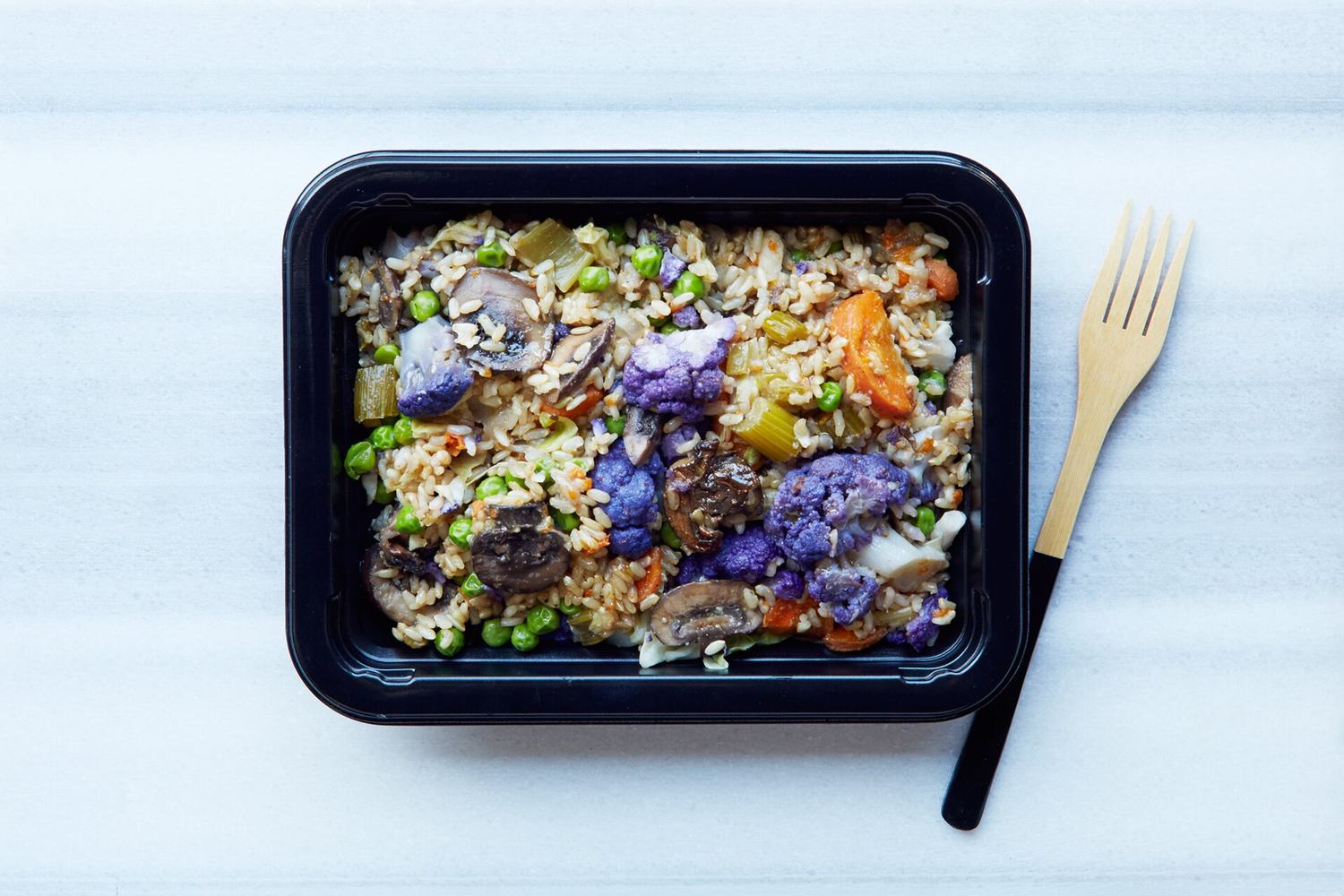
- Full meals: cook complete dishes, such as a bean stew or a chicken curry, in large quantities and portion them out
- Components: cook a starch, a protein and a vegetable separately, then mix and match
- Ingredients: wash, chop and store vegetables, soak beans, marinate meat, boil eggs
Most busy people do best with components, because they allow variety with little extra work.
Step 1: plan before you shop
Take 10 minutes to decide what you will eat. Keep it simple.
- Choose 2 proteins, for example chicken and beans, or fish and eggs.
- Choose 2 starches, such as rice and sweet potato, or matooke and posho.
- Choose 3 or 4 vegetables, such as cabbage, carrots, greens, tomatoes, onions and pumpkin.
- Choose 2 or 3 snacks, such as fruit, groundnuts and yoghurt.
- Count how many meals you need. Include breakfasts, lunches and suppers, and note which days you will eat out.
Write a shopping list and stick to it. Buying vegetables and fruit at the local market is generally cheaper than the supermarket. Beans, rice and dried fish are best bought in bulk.
Step 2: a 2-hour cooking session
Here is an order that uses your time well.
- Start the slow items initially. Put beans on to simmer, or pressure cook them to save time and fuel. Start rice and any root crops such as sweet potato or cassava boiling.
- Boil 12 eggs while you do other things. They keep well in their shells for about a week in the fridge.
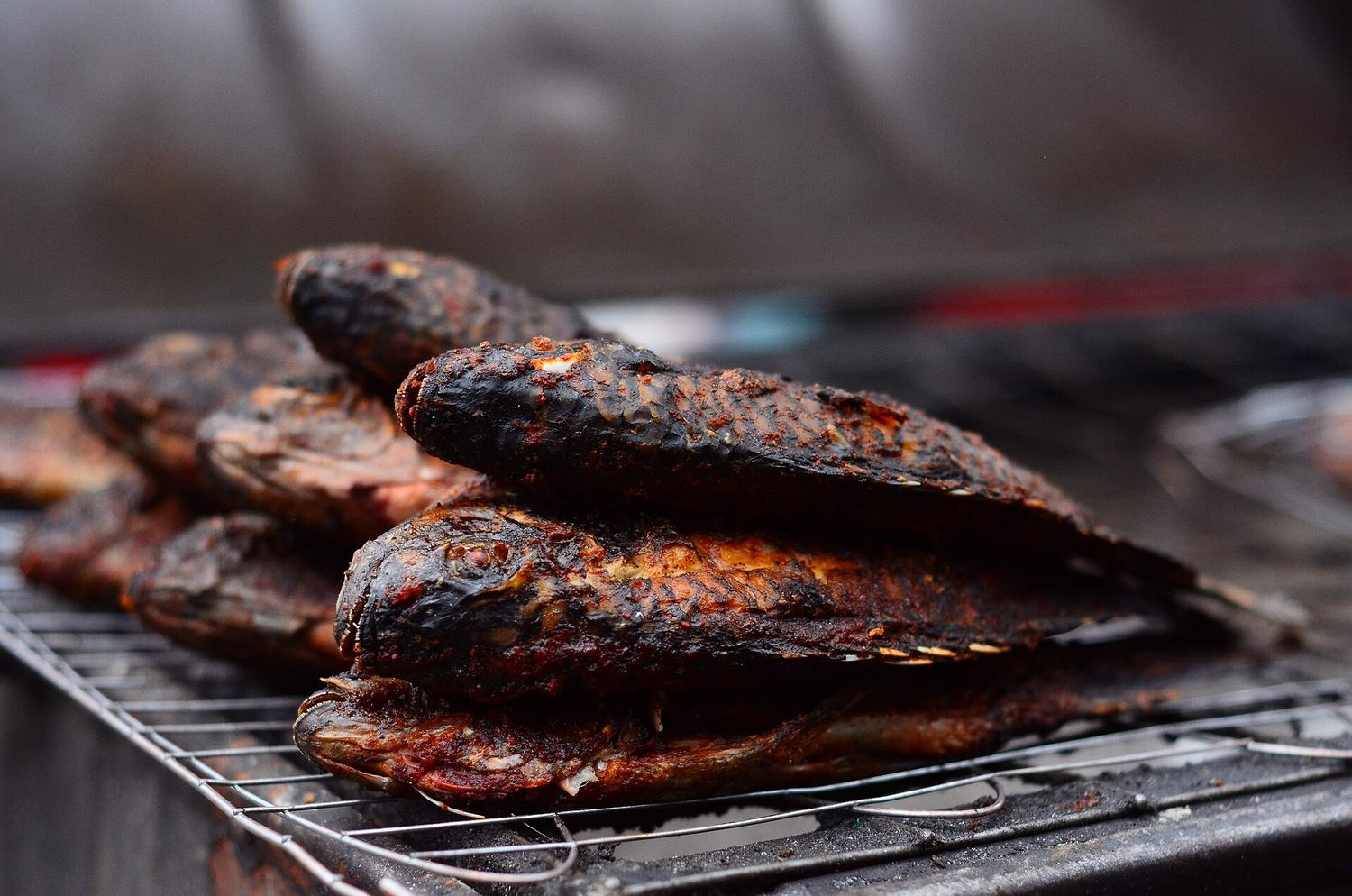
- Cook the main protein. Bake or grill chicken pieces, stew beef, or fry fish. Season some plain and some with sauce for variety.
- Prepare the vegetables. Wash and chop cabbage, carrots and onions. Sauté greens quickly. Make a big pot of tomato and onion sauce that can be used with several dishes.
- Cool and pack. Let the food cool for a short time, but get it into containers and into the fridge within about 2 hours.
Step 3: storing safely
Food safety matters, especially in a warm climate.
- Cool food quickly and refrigerate it within 2 hours of cooking, sooner if it is hot weather.
- Cooked rice needs special care, since bacteria that survive cooking can grow and produce toxins if rice stays warm. Cool it quickly and refrigerate it.
- Cooked meals generally keep for 3 to 4 days in the fridge. Freeze portions you will not eat by then.
- Reheat until piping hot all the way through, and only reheat once.
- If you have no fridge, prepare ingredients and cook fresh meals in less time rather than keeping cooked food for days. Dried beans, rice, groundnuts and boiled eggs eaten the same or next day are safer options.
- If you rely on power that cuts out, do not trust food that may have warmed up. When in doubt, throw it out.
Sample week using local food
Prepared on Sunday:
- A pot of beans
- Rice and boiled sweet potatoes
- Roast or stewed chicken
- A tomato and onion base sauce
- Sautéed greens, chopped cabbage and carrots
- 12 boiled eggs
How it gets used:
- Breakfast: boiled eggs with bread or sweet potato, and fruit
- Lunch: rice, beans and greens, with chicken on 2 days and extra eggs on others
- Supper: sweet potato or matooke with chicken stew and cabbage salad
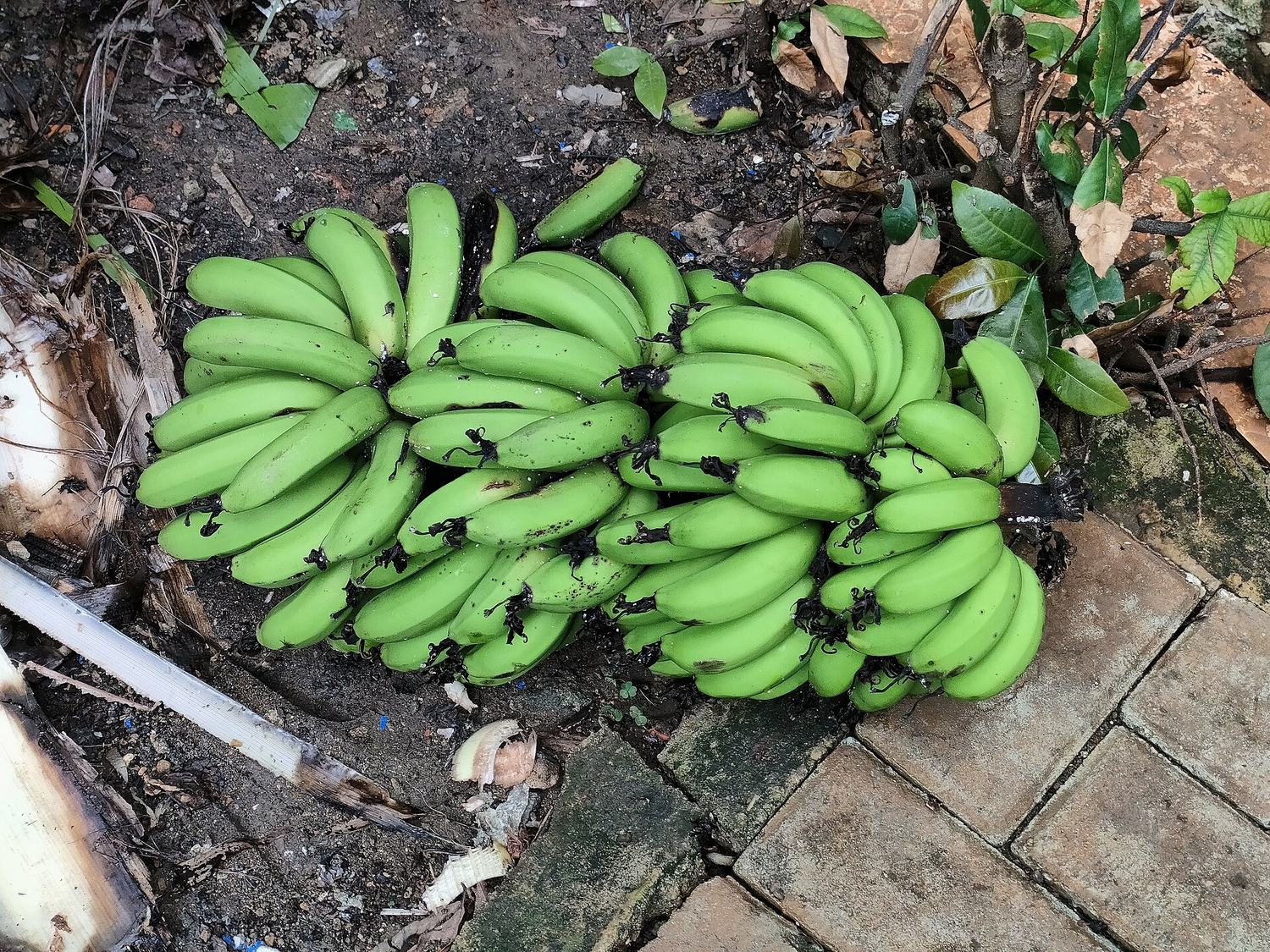
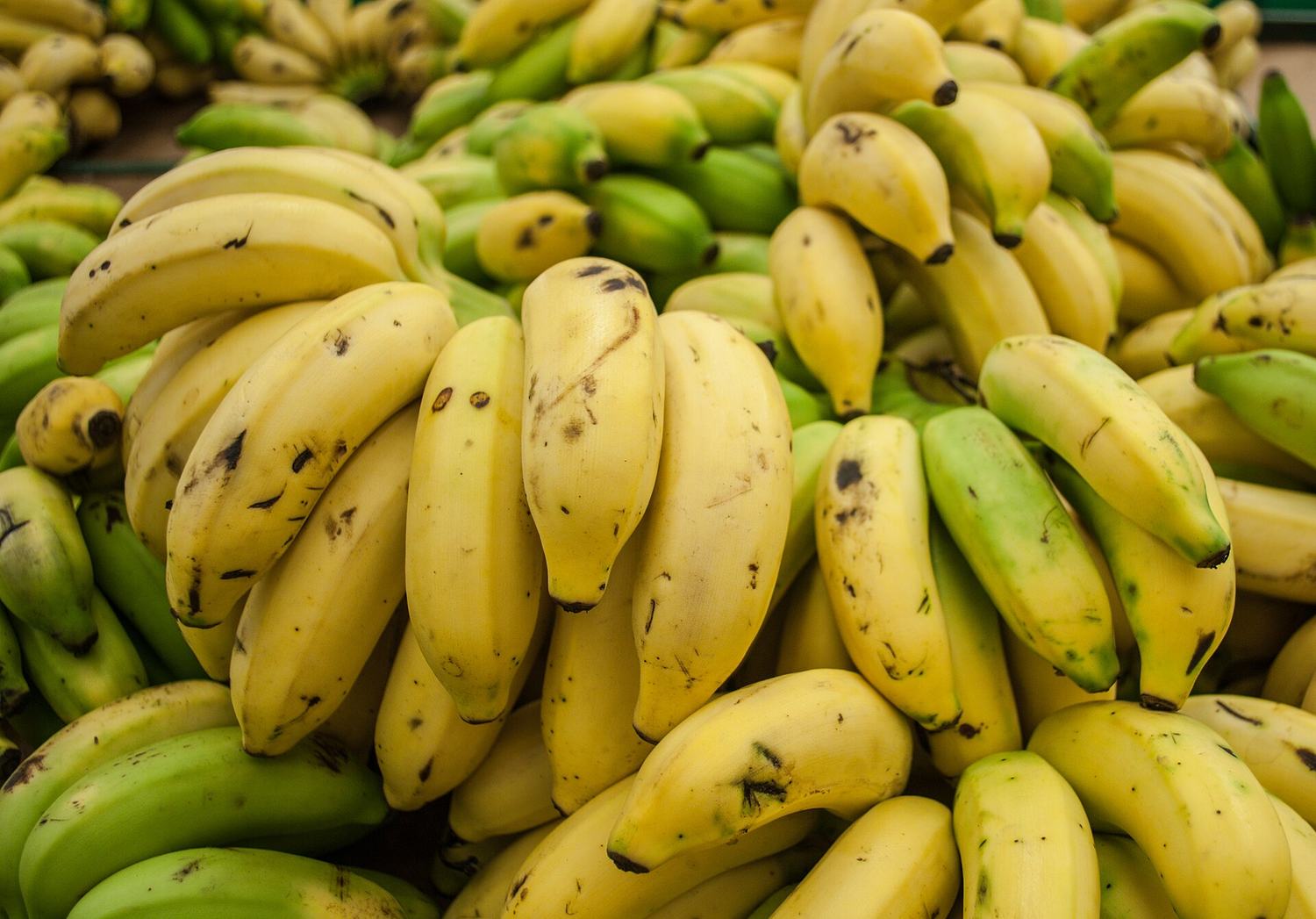
- Snacks: bananas, groundnuts and yoghurt
On Wednesday, do a short top-up cook of fresh fish or a new vegetable to keep things interesting.
Keeping it interesting
The biggest reason people give up meal prep is boredom. Fix that with small changes:
- Change the sauce: tomato, groundnut, curry, or a squeeze of lemon and chilli
- Use different carbohydrates through the week
- Make 1 meal fresh on a mid-week day
- Keep spices, lemon, garlic and pili pili handy
Useful equipment
You do not need a lot of equipment. A few good containers with lids, a sharp knife and a chopping board, 1 or 2 large pots and a charcoal or gas stove are enough. A pressure cooker saves fuel and time on beans and tough meat.
Common mistakes
Cooking too much at once. If you cannot eat it within 3 or 4 days, freeze it right away.
Skipping vegetables. They spoil faster. Eat the fresher ones early in the week and keep sturdy ones like cabbage and carrots for later.
Preparing food you do not like. If you hate it on Monday, you will not eat it by Thursday.
Underestimating snacks. Plan them as well, otherwise you will end up buying chips or a sugary drink.
Making it too ambitious. Start with prepping just lunches for the initial week, then add suppers.
Key takeaways
- Prepare components such as a starch, a protein and vegetables, so you can mix and match meals.
- Plan your menu and shopping list before you go to the market.
- Cool and refrigerate cooked food within about 2 hours, and use it within 3 to 4 days.
- Take extra care with cooked rice, and reheat food until piping hot.
- Start small, with lunches only, and add more as it becomes a habit.