Walk into any gym shop and you will see shelves of tubs, pills and powders promising bigger muscles, faster fat loss and endless energy. The honest truth is that most of them do very little. A small number have good evidence behind them, and some carry real risks. Food, sleep and consistent training do most of the work, and supplements, as the name says, only add to a solid base.
initial, fix the basics
Before you spend money, check that you are:
- Eating enough overall and enough protein
- Training consistently with progressive overload
- Sleeping 7 to 9 hours most nights
- Drinking enough water
- Managing stress
If those are not in place, no powder will rescue your progress. If they are, a supplement might add a small extra benefit.
Supplements with decent evidence
Creatine monohydrate
This is the most researched sports supplement and the one with the strongest evidence for improving strength, power and lean mass when combined with resistance training. A common dose is 3 to 5 grams a day, taken at any time, with no need for a loading phase. It is cheap and generally safe for healthy adults. Mild water retention in muscle is normal. People with kidney disease should speak to a doctor initially. Drink enough water.
Protein powder
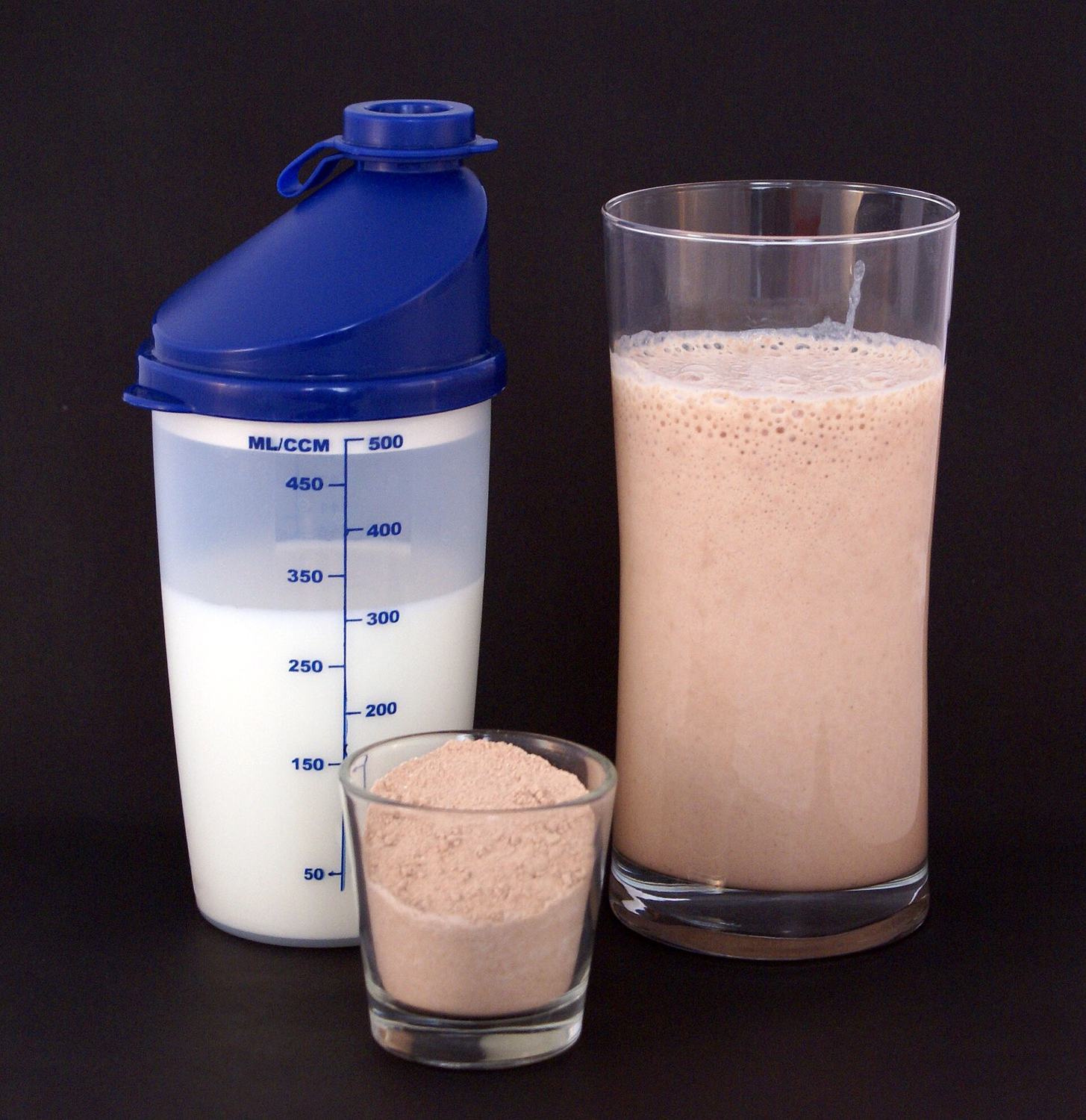
Whey, casein or plant-based protein powders are simply food in a convenient form. They help if you struggle to meet your protein target from meals. They do not work any better than the same amount of protein from eggs, fish or milk. Choose a product from a reputable source, and check the label for added sugar and fillers.
Caffeine
Caffeine improves alertness and can reduce the feeling of effort. A dose of about 3 mg per kg of body weight, roughly 1 to 2 cups of strong coffee for most adults, is the commonly studied range. Avoid it late in the day, and do not exceed about 400 mg a day for adults, which is around 4 cups of coffee. Skip it if you have heart rhythm problems, high blood pressure, anxiety or you are pregnant, unless your doctor says otherwise.
Vitamin D, iron and other nutrients, only when needed
Some people are genuinely deficient in vitamin D, iron, vitamin B12 or calcium. Iron deficiency anaemia is common among women and can cause fatigue and poor performance. Vegetarians and vegans often need B12. Do not guess. Get a blood test and take supplements on a doctor's advice, because too much iron or some vitamins can be harmful.
Supplements with weak or mixed evidence
- BCAAs: if you already eat enough protein, they add nothing
- Glutamine: little proof of benefit for healthy, well-fed people
- Multivitamins: harmless for most, but of little use if your diet is varied
- Fish oil: helps people who rarely eat oily fish, though the benefits for performance are modest
- Beta-alanine and nitrate (beetroot juice): small effects in specific types of endurance events, not necessary for most
Supplements to avoid or treat with great caution
- Fat burners and "thermogenics": usually a mix of stimulants. They can raise heart rate and blood pressure and cause anxiety. They are not magic.
- Testosterone boosters: evidence of any real effect is poor. Some contain hidden ingredients.
- Pre-workout formulas with very high caffeine: doses can be far above what is sensible, and some contain several stimulants in a "proprietary blend" where you cannot see the amounts.
- Anabolic steroids, SARMs and prohormones: these are drugs, not supplements. They can damage the heart, liver and hormones, cause infertility, and affect mood. They are illegal without prescription in many places. Do not use them.
- Weight loss teas and diuretics: these cause fluid loss rather than fat loss and can lead to dangerous dehydration and electrolyte problems.
- Anything promising rapid results: if it sounds too good to be true, it is.
Safety and quality in the local market
Supplements are not regulated as strictly as medicines in many countries, and counterfeit or contaminated products turn up in markets. Products have been found to contain ingredients not on the label, including banned drugs. Take these steps:
- Buy from a reputable, established seller, not from a roadside vendor or an unknown online account
- Check the packaging for a batch number, expiry date and a seal that is intact
- Look for products that have been independently tested, where such certification exists
- Be wary of unusually low prices
- Avoid "proprietary blends" that hide doses
- Check that the product is approved for sale in Uganda where such registration applies
- Start with a small dose to see how you react
If you compete in a sport that tests for banned substances, remember that you are responsible for whatever is in your body, even if it came from a contaminated supplement.
Who needs extra care
- Pregnant or breastfeeding women: speak to a doctor before taking anything beyond standard prenatal vitamins
- People with kidney, liver or heart conditions
- People taking prescription medicines, since supplements can interact with them
- Teenagers: growing bodies need food, not supplements, and stimulants and creatine are not advised for young people without medical guidance
- Anyone with a history of disordered eating, since weight loss products can feed unhealthy patterns
A sensible shopping list
If you want to try something, the most reasonable order is:
- Food, enough of it, with adequate protein
- Creatine monohydrate, if you lift weights and want a small extra edge
- Protein powder, if you struggle to reach your protein target
- Caffeine, from coffee or tea
- Nutrients such as iron or vitamin D, only if blood tests show you need them
Spending that money on better quality food, a coach or shoes that fit will usually give you more.
Key takeaways
- Training, food, sleep and consistency do far more than any supplement.
- Creatine monohydrate, caffeine and protein powder are the best supported options.
- Take vitamins and minerals such as iron or vitamin D only when a test or doctor shows a need.
- Fat burners, testosterone boosters, steroids and weight loss teas carry real risks and should be avoided.
- Buy only from reputable sources, check the labels, and talk to a doctor if you have a medical condition or take medicines.