Why walking works so well
Walking does not look impressive. Nobody posts a photo of a walk and gets applause. But for fat loss and health, it is one of the best tools you have, for 3 reasons.
To begin, it is gentle. Walking puts far less stress on your joints, muscles and nervous system than running or hard classes, so you can do a lot of it and still recover for your strength sessions. Next, it is repeatable. You can walk every day, in almost any clothes, without a gym. After that, it adds up. A person who walks an extra 4,000 steps a day, which is about 40 minutes at an easy pace, burns a meaningful amount of extra energy over a week without feeling smashed.
Walking also helps your mood, reduces stress, supports blood sugar control after meals and is linked to better heart health. The WHO guideline for adults is at least 150 minutes of moderate activity a week. Brisk walking counts. Many people reach that with walking alone.
How much does it burn
It depends on your body weight, pace and terrain, so treat any number as a rough guide. As an example, a 70 kg person walking briskly for 30 minutes may burn somewhere around 120 to 170 calories. That is not huge for 1 walk. But do it 5 days a week and you have created a deficit of roughly 600 to 850 calories across the week, without hunger spikes and without needing to recover.
The real benefit is consistency. Hard workouts tend to be skipped when life gets busy. Walks are easier to keep.
Step targets that make sense
Forget the idea that you must hit 10,000 steps from tomorrow. That number is a convenient round figure, not a magic line. A better approach is to work out your current average and raise it gradually.
- For 1 week, wear a phone or watch and note your usual daily steps.
- Add 1,000 to 1,500 steps a day for 2 weeks.
- Repeat every 2 weeks until you reach a comfortable level, often between 7,000 and 10,000.
Someone who moves from 3,000 to 7,000 steps a day gets a large benefit. Going from 8,000 to 12,000 is a smaller further gain. Start from where you are.
Ways to add walking in Kampala
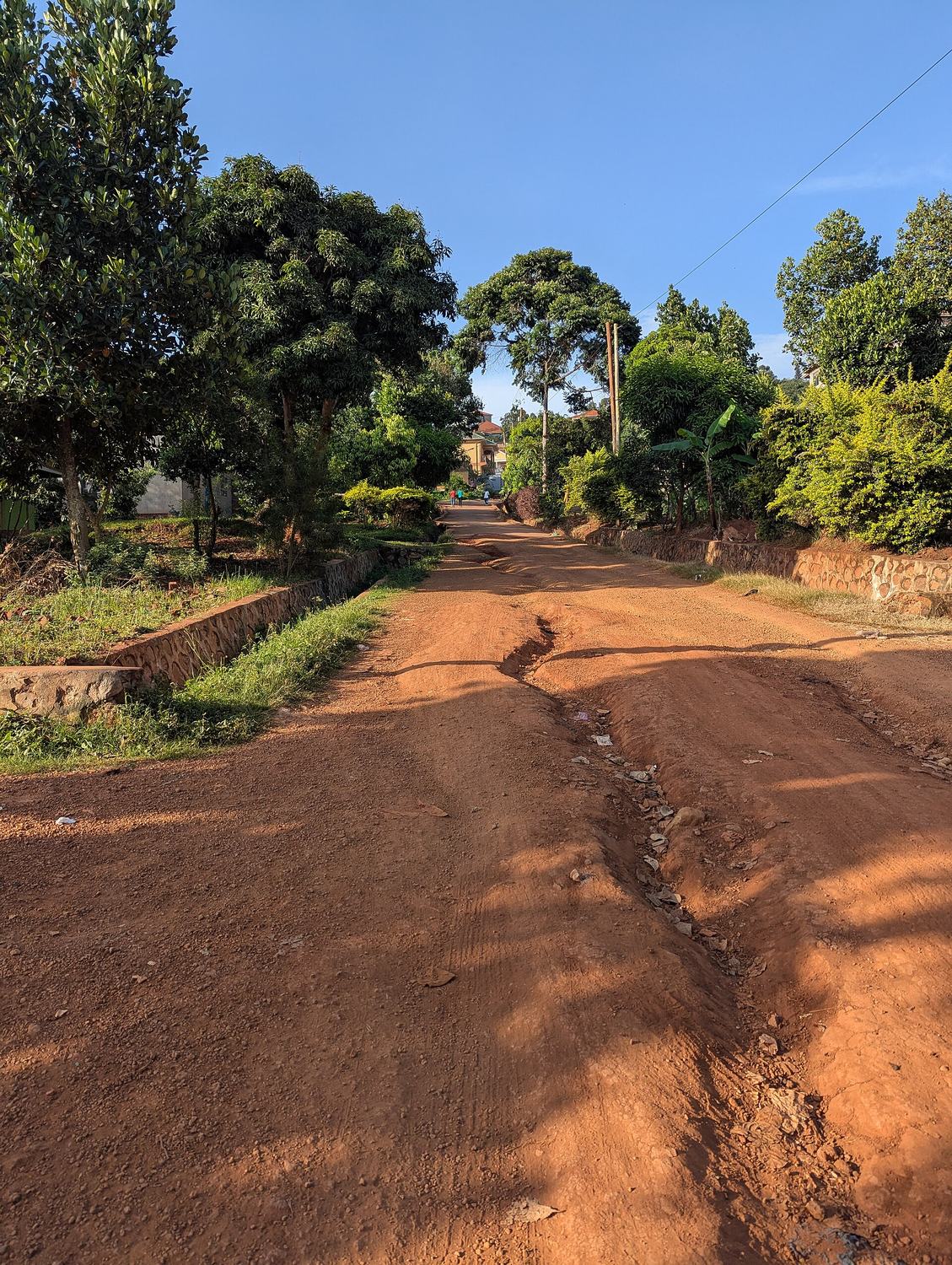
Daily life here already contains plenty of chances to walk. Use them.
- Get off the boda or taxi 1 or 2 stages early and walk the rest of the way.
- Walk to lunch instead of ordering delivery.
- Take the stairs instead of the lift, within reason and when you feel safe on them.
- Walk a loop around your estate after dinner. It also settles digestion.
- Take phone calls on your feet.
- Choose a market or shop a little further from home and carry your shopping back.
- Walk with a friend, family member or colleague once or 2 times a week. It keeps you accountable.
Walking in heat and rain
- Walk early morning or after about 5 pm, when the sun is lower.
- Wear light, breathable clothes and comfortable shoes with a good sole.
- Carry water, especially for walks longer than 30 minutes.
- Be careful on busy roads and in poorly lit areas after dark. Choose safe routes and daylight where you can.
- On rainy days, walk laps in a covered space, or use a treadmill at the gym.
Structuring your walks
The easy daily walk
30 to 45 minutes at a pace where you can talk but feel slightly warm. This is the base of your week. You should finish feeling better than when you started.
The brisk walk
Walk quickly enough that you can say a sentence but not sing. Your breathing is deeper, and you feel moderately worked. 20 to 40 minutes, 2 or 3 times a week, counts toward your weekly activity target.
The hill or incline walk
Kampala is made of hills, so use them. Walking uphill raises effort without needing to move faster. On a gym treadmill, set a slight incline of 3 to 8 percent. Try this session:
- 5 minutes easy warm-up
- 5 rounds of 3 minutes uphill or incline, then 2 minutes easy
- 5 minutes easy cool-down
The after-meal walk
A 10 to 15 minute stroll after your biggest meal helps blood sugar levels and digestion, and takes little effort. If you have diabetes, ask your doctor how this fits with your medication and meal timing.
Walking and strength training
Walking should sit beside weights, not replace them. When you eat fewer calories, strength training tells your body to hold on to muscle. Walking adds energy use without eating into your recovery. A good week looks like 2 or 3 strength sessions, plus daily walks.
If you feel very tired, do not push the walking on top of heavy leg days. On those days, keep your walk short and easy.
Common mistakes
- Eating back the walk. A 30 minute walk burns roughly what a mandazi contains. Do not reward every walk with a snack.
- Going too fast too soon. Sore shins and heels mean you have increased too quickly. Build up over a few weeks.
- Poor shoes. Worn out sandals or flat shoes can cause foot and knee pain. Replace them.
- Relying on walking alone. It is excellent, but without protein and some resistance work, you may lose muscle as well as fat.
- Giving up after a missed day. Just walk the next day.
If you have chest pain, dizziness, unexplained breathlessness, or pain in your knees, hips or feet that does not settle, see a doctor or physiotherapist before increasing your walking.
Key takeaways
- Walking is low stress, easy to repeat and adds a real energy gap over a week.
- Find your current daily steps and raise them by 1,000 to 1,500 every couple of weeks.
- Use your normal day in Kampala, from boda stages to evening loops, to add steps.
- Mix easy walks, brisk walks and hill walks, and add a short stroll after meals.
- Keep strength training in your plan so you lose fat and keep muscle.