When a squat feels off, most people blame their hips or their back. Often the real limit is lower down. If your ankle cannot bend enough, your heels lift, your torso leans too far forward, or your knees cave in as you try to find depth.
Ankle mobility is quick to test and quick to improve, and it pays off in every lower body movement, from squatting to running to climbing the stairs.
What ankle mobility means
The ankle bends in several directions, but the one that matters most for squatting is dorsiflexion: the movement of bringing your shin forward over your foot while the heel stays down. When this range is limited, the body finds a way around it. The heel rises, the foot rolls inwards, or the lower back rounds at the bottom.
In running, ankle range also affects how smoothly you absorb the ground and push off. A stiff ankle can add strain to the calf, the Achilles tendon, the shin and the knee.
A simple test: the knee to wall test
- Stand facing a wall, 1 foot about 10 cm from it, toes pointing forward.
- Keeping your heel on the floor, bend your knee and try to touch the wall with your kneecap.
- If you can do it easily, move the foot back a little and try again.
- Measure the distance from your big toe to the wall at the furthest point you can still touch it with the heel down.
Many coaches use about 10 cm or more as a comfortable range. Compare both sides. A big difference between left and right is worth working on. If you feel a pinch at the front of the ankle, or a hard block, rather than a stretch in the calf, ease off.
Why ankles get stiff
- Wearing raised heels or sitting for long stretches.
- Old sprains that were never rehabilitated.
- Tight calf muscles, from running or from walking in dress shoes.
- Little time spent in a deep squat, which many people in rural Uganda do naturally as children and lose as adults.
The good news is that range is often restored by regular practice.
Drills to improve ankle range
Do these 3 to 5 times a week, ideally before training.
1. Calf stretch, straight and bent knee
Place your hands on a wall with 1 foot back. With the back knee straight, press the heel down for 30 seconds to stretch the large calf muscle. Then bend the back knee slightly to reach the deeper soleus muscle, another 30 seconds. Do both legs.
2. Knee to wall rocks
Use the same set up as the test. Gently rock your knee forward over your toes 10 to 15 times, heel on the floor, then hold the last rep for 5 seconds. Do 2 sets per side.
3. Banded ankle mobilisation
Loop a resistance band around a sturdy post and around the front of your ankle, pulling it backwards. Rock the knee forward over the toes. The band guides the shin bone back, which often feels freer than a plain stretch. 10 reps per side.
4. Raised heel goblet squat
Hold a light weight at your chest and squat with your heels on a 2.5 kg plate or low block. Pause at the bottom for 3 seconds, rest your elbows against your knees, and rock gently side to side. 2 sets of 8. Over weeks, lower the height of the block.
5. Calf raises with a slow lowering
Stand on a step with your heels hanging off. Rise onto your toes, then lower for 3 seconds past level so the heel drops below the step. 3 sets of 10 to 12. This builds strength through range, which is what makes new mobility stable.
Strength and balance for the ankle
Mobility alone does not protect the ankle. Add:
- Single leg stands: 30 seconds per leg, then with eyes closed or standing on a folded towel.
- Towel scrunches: use your toes to pull a towel towards you, working the foot muscles.
- Banded ankle eversion and inversion: turn the foot out against a band, then in, 12 reps each.
These help the ankle handle uneven ground, which is a daily reality on many Kampala roads and paths.
Footwear
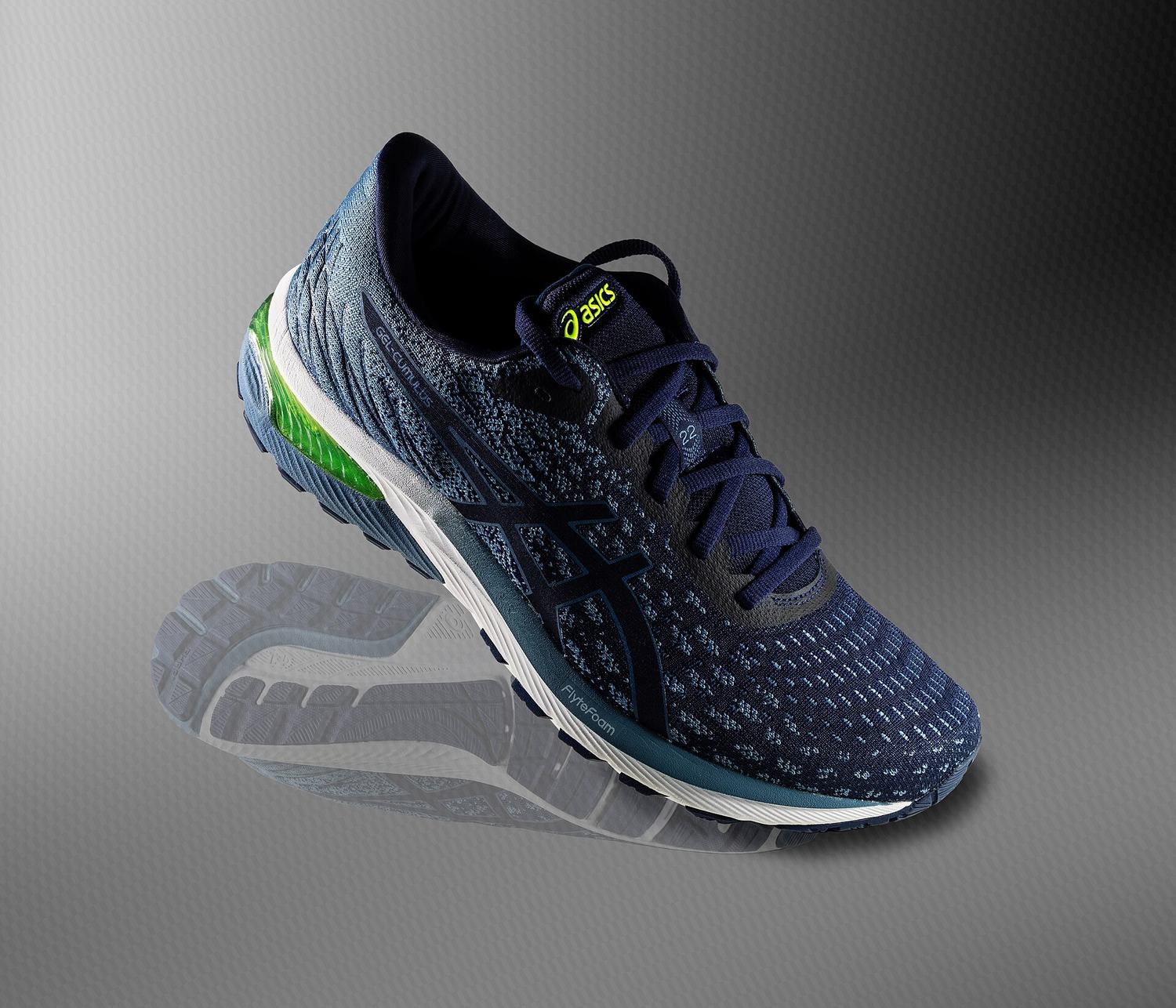
Shoes affect ankle position. Heavily cushioned, raised heel running shoes can feel great for jogging, but for squatting some people do better in flat soled shoes or weightlifting shoes with a raised heel. If your heels lift in a squat and mobility work is slow, a small heel raise is a perfectly fine tool while you improve, not a cheat. Do not squat in soft, squishy trainers with heavy weight, since the unstable base makes balance harder.
What to expect
With regular practice, many people gain a noticeable improvement in the knee to wall test in 2 to 4 weeks. You may feel your squat become more upright, your heels stay planted, and your calves feel less tight after running. Keep retesting every 2 weeks and note the number.
When to see a professional
If you have a history of repeated sprains, ongoing swelling, pain that is sharp at the front of the ankle, or a feeling that the ankle gives way, see a physiotherapist. A stiff ankle after an old injury may need joint work and a graded strengthening plan.
Putting it into your week
- Before every leg or running session: 5 minutes of calf stretches, knee to wall rocks and a few raised heel squats.
- 2 times a week after training: single leg balance and banded work.
- Daily: spend a few minutes in a deep squat while watching TV or waiting for tea to brew.
Key takeaways
- Ankle dorsiflexion, the shin moving forward over the foot, is a common hidden limit in squats and running.
- The knee to wall test gives you a number to track and compare between sides.
- Stretch both the large calf muscle and the deeper soleus, then add knee rocks, banded mobilisations and slow calf raises.
- Pair mobility with balance and strength so the new range holds up.
- Repeated sprains, swelling or giving way need a physiotherapist's assessment.