Cold plunges and saunas have become popular recovery tools, and social media makes big promises about both. The reality is more modest. They can feel wonderful and may offer some benefits, but they are extras, not essentials. Sleep, food and sensible training do the bulk of the work.
Cold: ice baths and cold water immersion
Cold water immersion usually means sitting in water at about 10 to 15 degrees Celsius for around 10 minutes. Ice baths are the extreme version.
What it may do
- Reduce the feeling of soreness after hard sessions or competition, which is its best supported effect
- Help you feel refreshed and less fatigued, especially when you must perform again within a day or 2, for example during a tournament
- Offer relief in the heat, which is a real benefit during hot afternoons in Kampala
The catch
Several studies suggest that regular cold immersion straight after strength training may blunt muscle growth and strength gains over time. The cold seems to dampen the inflammatory signals that drive adaptation. If your main goal is building muscle and strength, do not make ice baths a routine after every lifting session.
So the sensible rule is:
- Use cold when you need to recover quickly, such as between matches or events.
- Skip it when your goal is long term adaptation, especially soon after heavy strength work.
How to use it safely
- Keep the water cool, not freezing, around 10 to 15 degrees.
- Limit time to about 5 to 10 minutes.
- Never go alone if you are new to it.
- Get out if you shiver uncontrollably, feel dizzy or have chest discomfort.
- Warm up gradually afterwards with dry clothes and a warm drink.
A cold shower is a gentler option. It will not match an ice bath, but it can refresh you and cool you down after training.
Heat: sauna, steam and hot baths
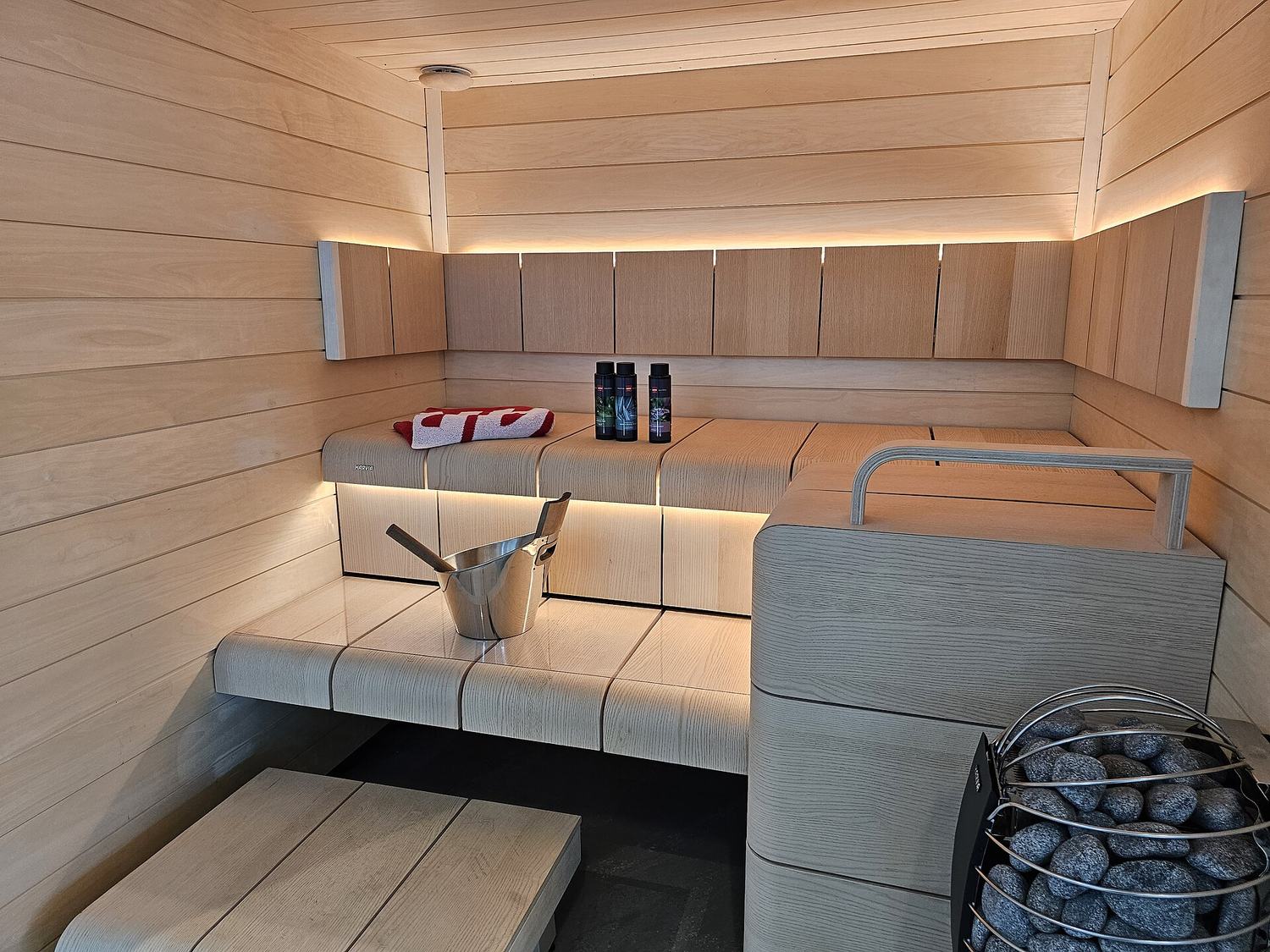
Heat relaxes muscles, raises heart rate and encourages sweating. Sauna use is common in some parts of the world and growing in gyms and hotels here.
What it may do
- Relax tight muscles and ease stiffness
- Reduce the sense of stress and help you wind down
- Improve comfort and perceived recovery
- Possibly support heart health with regular use over years, according to observational studies from Finland, though this does not prove that the sauna is the cause
Heat can also help with chronic stiffness, like a tight lower back, by promoting relaxation. For sore, stiff muscles, many people prefer heat to cold.
How to use it safely
- Keep sessions to 10 to 20 minutes, with breaks if you build up.
- Drink water before and after. Sweating dehydrates.
- Do not drink alcohol before or during a sauna.
- Leave if you feel dizzy, nauseous or faint.
- Cool down gradually afterwards.
- Avoid heat on a fresh injury, swelling or acute strain, because it can increase swelling.
Warm showers and baths
The humble warm shower is underrated. It relaxes muscles, loosens stiffness and helps you wind down in the evening. A warm shower or bath 1 to 2 hours before bed can help some people fall asleep, because the body temperature drops afterwards and signals sleepiness.
In our warm climate, a lukewarm shower often feels better than a very hot one. You do not need to chase extremes.
Contrast therapy
Alternating hot and cold, for example sauna followed by a cold plunge, is popular. Evidence that it improves recovery beyond either alone is limited. It may simply feel good. If you enjoy it, use it occasionally, without expecting miracles.
Which one should you choose
- Sore and stiff after a heavy session: a warm shower, a short sauna or gentle movement
- Overheated after a hot day or a match: a cool or cold shower
- Need to back up with another hard effort within 24 hours: a short cold immersion may help you feel ready
- Trying to build muscle: keep cold exposure occasional, and focus on sleep, food and rest instead
- Struggling to sleep: a warm shower in the evening
Who should be careful
Check with a doctor before using extreme heat or cold if you:
- Have high blood pressure, heart disease or circulation problems
- Are pregnant
- Have diabetes with reduced sensation in the feet
- Feel faint easily
- Are taking medication that affects blood pressure or fluid balance
Even healthy people should build up gradually. Sudden cold water can trigger a gasp response, and prolonged heat can cause fainting or heat illness.
What matters more
Fancy recovery tools are the cherry on top. Before you spend money on an ice bath, check that you are:
- Sleeping 7 to 9 hours
- Eating enough protein and carbohydrate
- Drinking enough water
- Taking rest days
- Managing stress
If those are weak, no amount of cold or heat will rescue you.
Key takeaways
- Cold immersion can reduce soreness and help you feel ready for a quick turnaround, but it may blunt strength and muscle gains if used after every lifting session.
- Heat from a sauna or warm shower relaxes muscles and helps you unwind, and suits stiffness well.
- Use water that is cool rather than icy, keep sessions short and stay hydrated.
- Avoid extremes if you have heart, blood pressure or circulation problems, or are pregnant, unless your doctor agrees.
- Sleep, food, water and rest days matter far more than any hot or cold treatment.