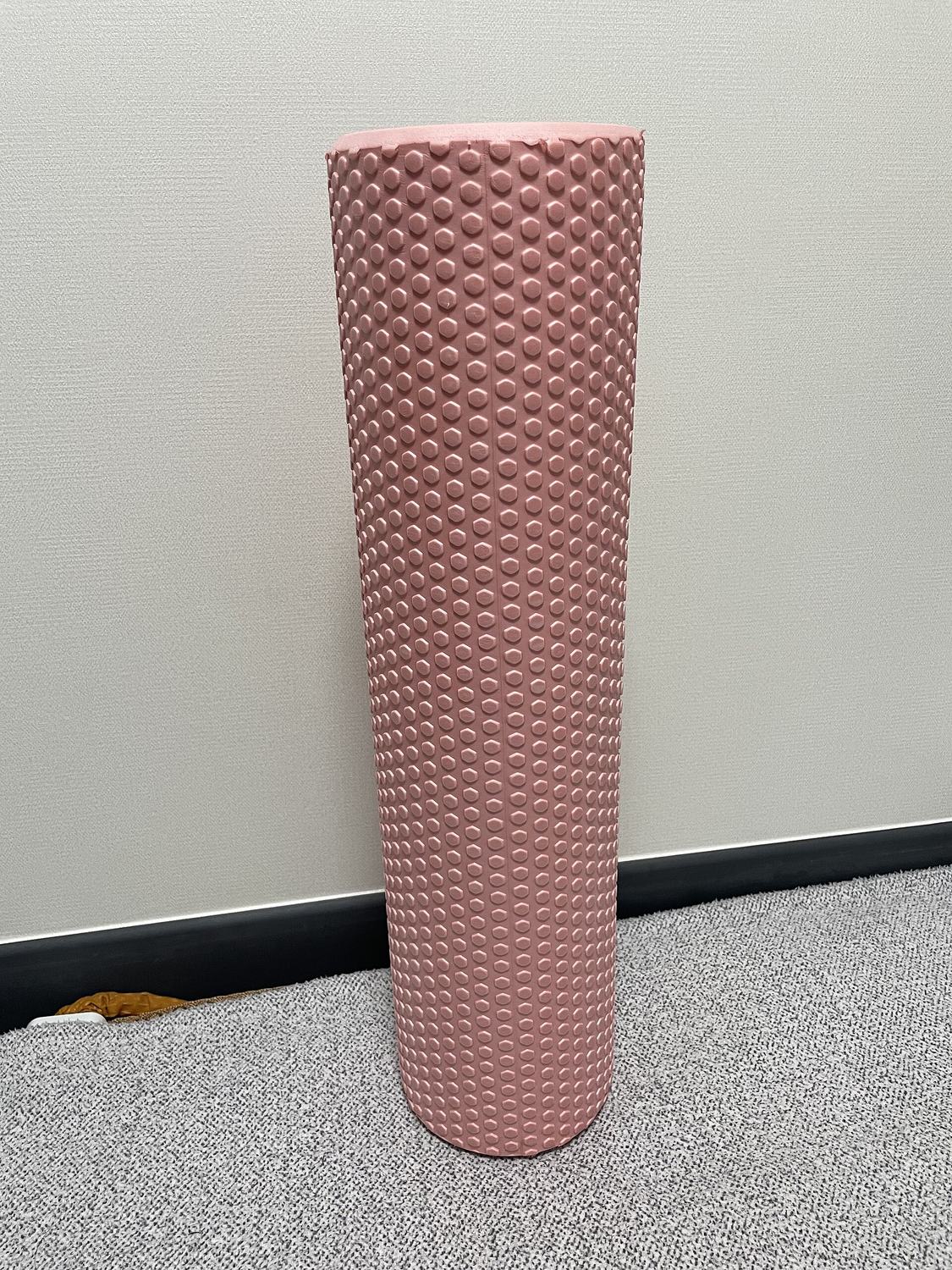
Walk through any gym floor and you will find someone grinding a foam roller into their thigh with a pained expression. Is it worth it? Short answer: it can help you feel better and move a little more freely, but it will not melt away "knots" or repair damaged tissue. Used sensibly, it is a useful, cheap tool.
What foam rolling actually does
Foam rolling is a form of self massage. You use your body weight to apply pressure to a muscle as you roll over a firm cylinder. People often say it breaks up adhesions or releases fascia. The evidence does not really support that. Muscle and connective tissue are far too tough to be physically broken down by a foam roller.
What research does suggest, in general terms, is this:
- It can give a short term increase in range of motion, often lasting minutes, without reducing strength or power.
- It may reduce how sore muscles feel after hard training.
- It can make you feel better and more relaxed, which has value in itself.
The likely reasons involve the nervous system. Pressure changes how the brain perceives tension and pain in a muscle, so it feels looser and less tender. Warmth and blood flow help too.
That means a roller is good for comfort and a bit of extra mobility. It is not a replacement for sleep, food, proper programming or, when needed, treatment from a physiotherapist.
When to use it
Before training
A short roll of 1 to 2 minutes per area, followed by your normal warm-up, can help you reach better positions in a squat or overhead press. Do not let it replace your warm-up. Light cardio and movement drills still do the heavy lifting.
After training
Rolling after a session or on a rest day can ease the tight, achy feeling of soreness. It is a pleasant way to wind down, especially after a heavy lower body day.
At home or at work
If you sit for long hours at a desk or in traffic, a few minutes of rolling on the back, glutes and thighs can ease stiffness. Many Kampala commuters spend several hours a day in a taxi or on a boda, so this is relevant.
How to foam roll properly
- Choose the area. Common spots are the quadriceps, hamstrings, calves, glutes, upper back and the outer thigh.
- Get into position. Support yourself with your hands and the other leg so you can control the pressure.
- Roll slowly. Move about 2 to 3 centimetres per second. Rushing does nothing.
- Pause on tender spots. When you find one, stay there for 20 to 30 seconds and breathe, until the sensation eases.
- Spend 30 to 90 seconds per area. More is not better.
- Breathe. Holding your breath tightens the muscle you are trying to relax.
- Keep it to a firm, tolerable pressure. It should feel like a strong, productive discomfort, not sharp pain.
Tools you can use
- A standard foam roller for larger muscles
- A massage ball or tennis ball for glutes, feet and shoulders
- A cricket ball or lacrosse ball for firmer pressure on small areas
- A short length of firm plastic pipe or a rolled towel if you do not have equipment
Areas to be careful with
- Lower back. Rolling directly on the lumbar spine can irritate it. Focus on the upper back and the glutes and hips instead.
- Behind the knees and the front of the shins. Avoid pressing hard here.
- Neck. Avoid rolling on it. Use a gentle hand massage if needed.
- Bruised, swollen or injured areas. Leave them alone.
- Varicose veins or clotting disorders. Check with a doctor before using pressure on the legs.
Common mistakes
- Rolling too hard. Excessive pressure makes your muscles guard and tighten.
- Spending 10 minutes on 1 spot. You will just bruise yourself.
- Rolling the area that hurts instead of looking at the cause. Tight hamstrings might be a sign of weak glutes or a stiff hip. If the same spot always bothers you, ask a coach or physiotherapist to look at your movement.
- Replacing strength work with rolling. Rolling feels good, but it does not make you stronger or more stable.
- Using it on a sharp, injured pain. Pain from an injury needs assessment, not a roller.
A quick 5 minute routine
After training or in the evening, spend about 45 seconds on each:
- Calves
- Front of thighs
- Outer thighs
- Glutes, using a ball or sitting on the roller with 1 ankle crossed over the knee
- Upper back, with arms crossed over the chest
- Chest or shoulders against a wall with a ball
Finish with a few slow deep breaths. You should feel looser and calmer, not battered.
Other forms of self massage
Your hands, a massage stick or a percussion massage gun can all do similar things. A massage gun is not essential. Most of the benefit comes from the pressure and the relaxation, which a cheaper tool can deliver. Professional massage can feel wonderful and is worth it if you enjoy it, though it is not a necessity for progress.
When to see someone
If a pain persists for more than a couple of weeks, gets worse when you roll, is sharp or comes with numbness, tingling or swelling, stop rolling and see a physiotherapist or doctor.
Key takeaways
- Foam rolling does not break up knots, but it can improve short term mobility and reduce the feeling of soreness.
- Use it for 1 to 2 minutes per area, rolling slowly and breathing steadily.
- It works best alongside a proper warm-up, strength training, sleep and good food, not instead of them.
- Avoid rolling the lower back, neck, or any injured, swollen area.
- If the same spot keeps hurting, look for the cause and get it checked.