Stretching is one of the most argued about parts of fitness. Some people skip it entirely and others spend half an hour contorting after every session. The truth sits in the middle, and it depends on what you want from it. Let us separate static from dynamic and sort out which one belongs where.
Static versus dynamic stretching
Static stretching means moving into a position and holding it, usually for 20 to 60 seconds. A seated hamstring stretch or a standing quad stretch are classic examples.
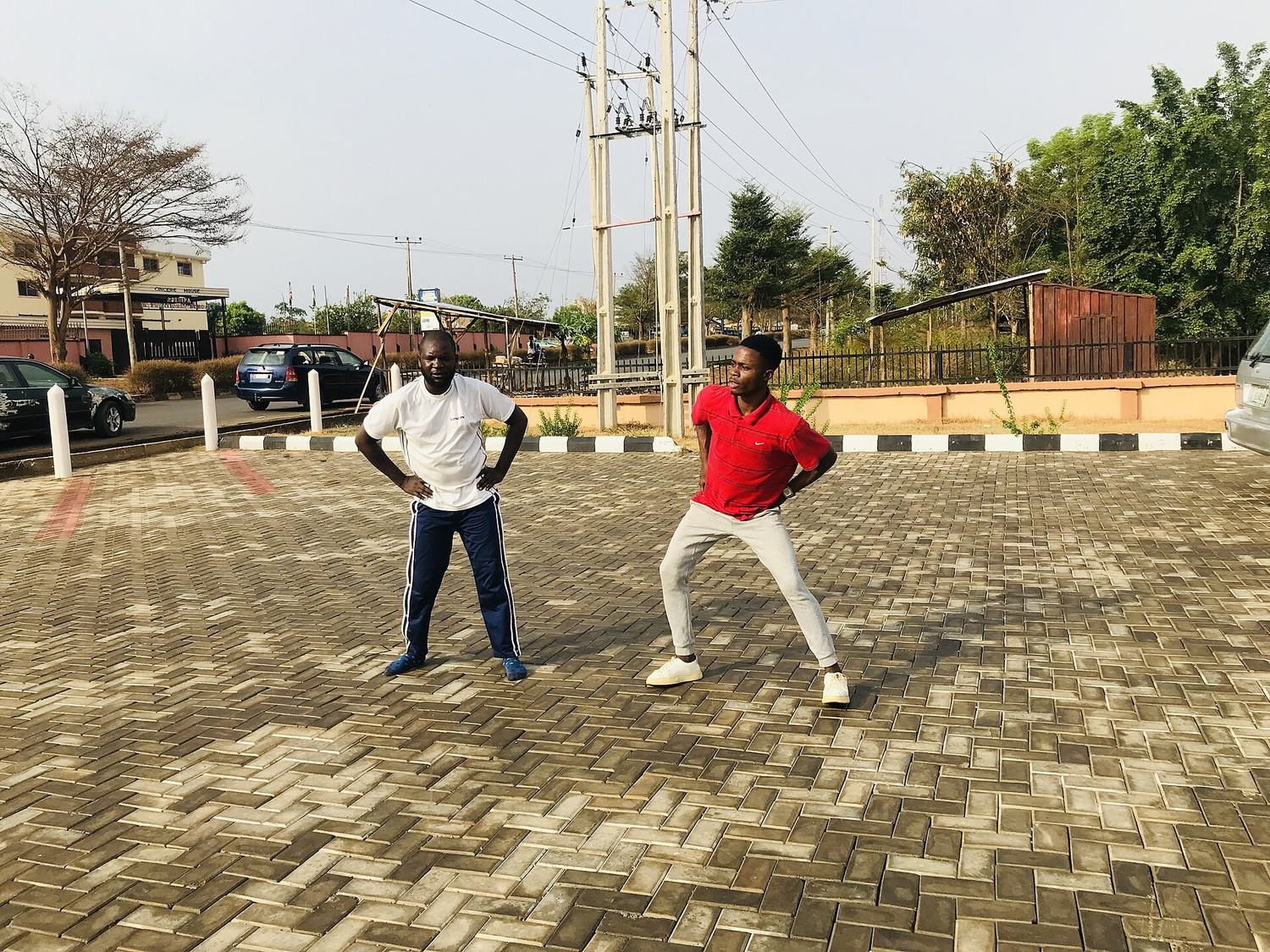
Dynamic stretching means moving through a range of motion in a controlled, repeated way without holding the end position. Leg swings, arm circles, walking lunges with a twist and hip circles are dynamic.
They have different strengths:
- Dynamic work warms the body, raises heart rate and rehearses movement. It suits the start of a session.
- Static work calms you down, and over weeks of regular practice can improve flexibility. It suits the end of a session or a separate evening routine.
What the evidence broadly suggests
Holding long static stretches right before heavy lifting or sprinting can briefly reduce force and power in some people, especially if the holds are long. A short hold of under 30 seconds per muscle appears to have little negative effect. So the standard advice is to do dynamic movement before training and keep the long static holds for afterwards.
After training, static stretching does not seem to prevent soreness or injury in a major way. What it does do reliably is help you relax, and over time, increase your range of motion. If your hips feel tight in a deep squat, regular stretching can help.
That is a reasonable reason to stretch. It feels good, it helps with flexibility, and it gives you a few minutes to bring your breathing down.
Why bother stretching after a workout
- To unwind. A slow, calm finish lowers your heart rate and signals to your body that the session is over.
- To build flexibility. Regular stretching improves range of motion in tight areas.
- To feel better. Muscles often feel looser and less tense.
- To check in. Spending time with each area helps you notice tightness or niggles early.
It is not magic. It will not cure soreness, and skipping it will not injure you if your training is sensible.
How to stretch statically
- Be warm. Stretch after your session, when muscles are warm, not key thing from cold.
- Move into the stretch gently. You should feel a mild to moderate pull, never sharp pain.
- Hold for 20 to 40 seconds. If you are working on flexibility, aim for around 60 seconds total per muscle across the session, done in 1 or 2 holds.
- Breathe slowly. Long exhales help you relax into the position.
- Do not bounce. Bouncing triggers the muscle to tighten.
- Go both sides. Match left and right, though spend a bit longer on the tighter side.
A 10 minute post workout routine
Hold each of these for about 30 seconds per side:
- Standing quad stretch. Hold your ankle behind you, knees together, tall posture.
- Seated or standing hamstring stretch. Hinge forward from the hips with a long spine.
- Kneeling hip flexor stretch. Tuck the pelvis under and lean slightly forward.
- Figure 4 glute stretch. Lying on your back, cross 1 ankle over the opposite knee and pull gently.
- Calf stretch against a wall. Keep the back heel on the floor.
- Chest stretch in a doorway. Elbow at shoulder height, lean through gently.
- Child's pose. Sit back onto your heels with arms reaching forward for the upper back and lats.
Finish with a minute of slow breathing: in for 4 counts, out for 6.
A short dynamic warm-up for before training
Spend 5 minutes on:
- 10 leg swings forward and back, each leg
- 10 walking lunges with a gentle twist
- 10 bodyweight squats
- 10 hip circles each way
- 10 arm circles forward and back
- 10 inchworm walkouts, if you have the space
You should finish feeling warm, with a slightly raised heart rate, and ready to lift or run.
Common mistakes
- Stretching cold muscles aggressively. This is how people strain things. Warm up initially.
- Pushing into pain. A stretch should be tolerable and relaxed.
- Stretching only the tight area and ignoring the cause. Tight hamstrings from sitting all day may benefit from glute strengthening as well as stretching.
- Holding your breath. Tension makes the stretch less effective.
- Doing static holds as a warm-up before a heavy lift or sprint. Use dynamic moves instead.
- Over-stretching already hypermobile joints. If you are very flexible and your joints feel loose, strengthening matters more than stretching.
Stretching and sport
If you play football, netball, basketball or run, use a dynamic warm-up before and a few static holds after. Add an extra stretching session on non-training days if you want to improve flexibility, for example in the evening before bed. Many people sleep better after 10 minutes of gentle stretching.
When stretching is not the answer
Stretching will not fix sharp joint pain, a pinched nerve, or a muscle you have torn. If a stretch causes pain, tingling, numbness or lasts beyond the stretch, stop and ask a physiotherapist to assess you.
Key takeaways
- Dynamic stretching belongs before training, and static stretching works best afterwards.
- Hold static stretches for 20 to 40 seconds with slow breathing and no bouncing.
- Post workout stretching helps you relax and improves flexibility over time, but it will not stop soreness or prevent all injuries.
- Always warm up initially, and never push into sharp pain.
- If you stay tight in the same area, add strength work and ask a coach or physiotherapist to check your movement.