Gyms are safe places when people use them sensibly. Most gym injuries are not freak accidents. They come from a short list of repeated mistakes: adding load too fast, rushing the warm up, poor technique, and ignoring early warning signs. If you fix those, you remove most of the risk.
Here are the injuries coaches see most often, why they happen, and what to do about them.
1. Lower back strain
What it is: a sore, tight lower back after lifting or bending, often from overworked muscles or ligaments.
Why it happens: rounding the back under heavy load, lifting before warming up, doing too many reps when tired, or weak glutes and trunk.
How to avoid it:
- Learn to hinge at the hips and brace your trunk before every heavy lift.
- Keep weights close to your body.
- Stop a set when technique slips, not when you cannot move the weight at all.
- Strengthen glutes and core with bridges, planks and carries.
If pain travels down the leg, or you notice numbness or weakness, see a doctor.
2. Shoulder pain
What it is: a pinching or aching pain at the front or top of the shoulder, often during pressing or overhead lifting.
Why it happens: too much pressing and too little pulling, flared elbows on the bench press, stiff upper back, weak rotator cuff.
How to avoid it:
- Do as many sets of rows and pulls as presses.
- Keep your shoulder blades set back and down when benching.
- Add band external rotations and face pulls.
- Replace painful movements temporarily, for example a landmine press for a barbell overhead press.
3. Knee pain
What it is: aching at the front of the knee, around or below the kneecap.
Why it happens: sudden increases in squats, lunges, running or jumping, weak hips and stiff ankles, or training on worn out shoes.
How to avoid it:
- Increase volume gradually, no more than a modest amount each week.
- Strengthen glutes and quads, and work on ankle mobility.
- Control the descent in squats and keep the knees tracking over the toes.
- Replace shoes that are worn flat.
Swelling, locking or the knee giving way needs a medical check.
4. Muscle strains
What it is: a pulled muscle, most often the hamstring, calf, groin or biceps. You feel a sharp pain, and sometimes a pop, during a fast or heavy effort.
Why it happens: insufficient warm up, sprinting or heavy lifts when fatigued, or an imbalance between strong and weak muscles.
How to avoid it:
- Warm up properly with ramp up sets.
- Build speed work gradually, with hard sprints only after a few sessions of easier running.
- Strengthen the hamstrings with Romanian deadlifts and curls, since weak hamstrings often tear in runners and footballers.
- Do not try personal bests when tired, sick or underslept.
5. Tendon pain (tendinopathy)
What it is: a stubborn ache in a tendon, such as the elbow ("tennis" or "golfer's elbow"), the Achilles, or the front of the knee. It often feels worse at the start of exercise, eases a little as you warm up, then returns later.
Why it happens: repeated loading that the tendon has not adapted to. Tendons adapt more slowly than muscles.
How to avoid it:
- Increase load and volume slowly.
- Rest days between heavy sessions for the same area.
- Vary grip positions and exercises.
- If a tendon becomes sore, reduce the load rather than stopping completely. Controlled strengthening, often slow and heavy, is usually part of the treatment, and a physiotherapist can guide it.
6. Sprained ankles
What it is: a twisted ankle, typically from landing awkwardly during jumping, running or sports.
Why it happens: uneven surfaces, poor balance, tired legs, or old sprains that never fully recovered.
How to avoid it:
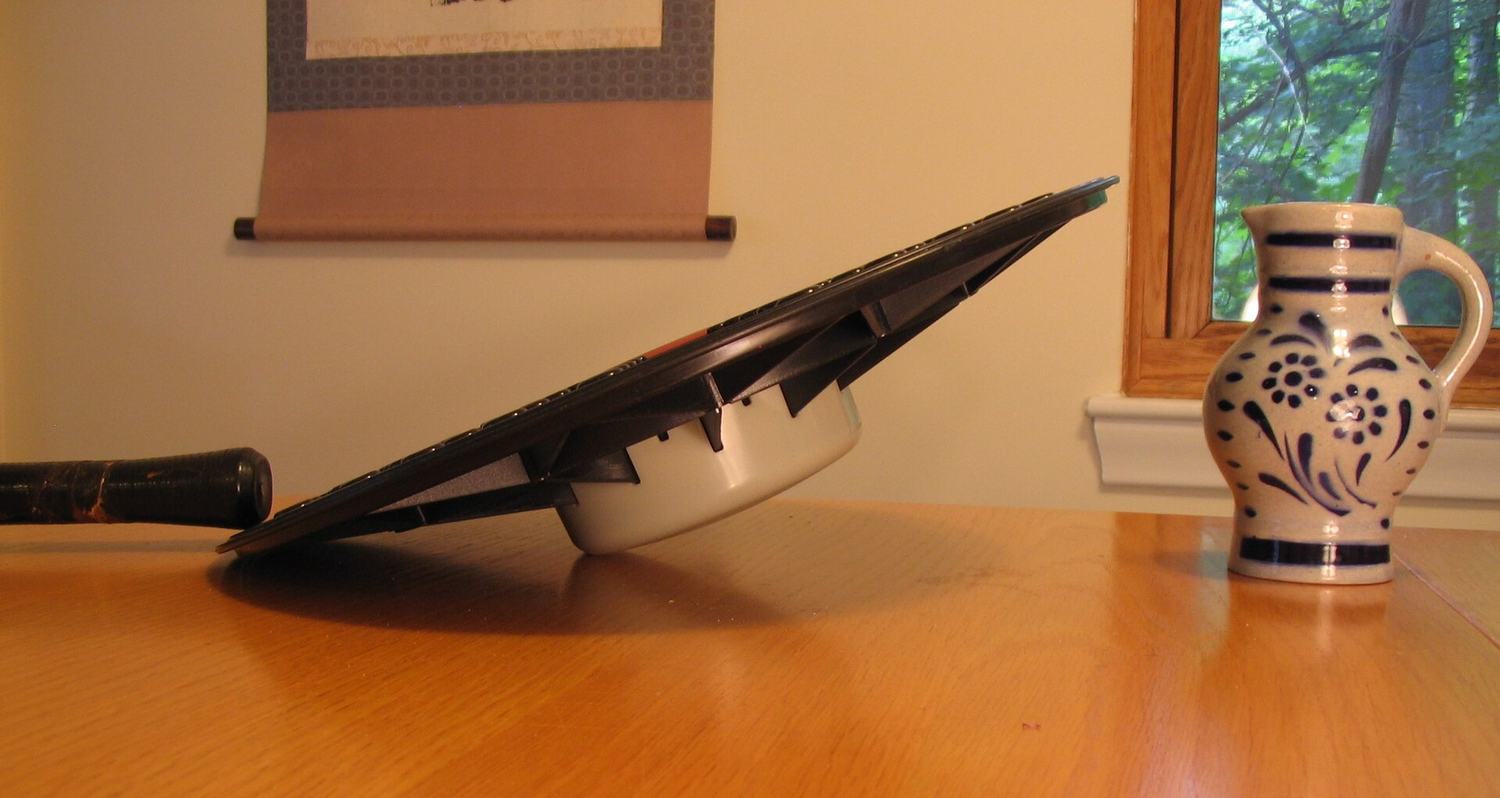
- Include balance work such as single leg stands.
- Strengthen calves and the muscles around the ankle.
- Wear shoes that fit and support you.
- After a sprain, rehabilitate properly before returning to jumping and sports.
7. Wrist and elbow pain
What it is: soreness in the wrists during push ups, presses and front squats, or in the elbows during curls and triceps work.
Why it happens: stiff wrists, fixed grips, high volume and straight bar curls.
How to avoid it:
- Warm up the wrists with gentle circles and stretches.
- Use dumbbells or neutral grips if a straight bar bothers you.
- Reduce reps and sets if the elbow flares up, and increase gradually.
Habits that prevent most injuries
- Warm up for 10 minutes. Light cardio, joint mobility, then lighter sets of your initial lift.
- Progress gradually. A sensible guide is to add small amounts of weight or reps, not big jumps each week.
- Keep technique initially. Film your sets on your phone, or ask a coach to check you.
- Use spotters and safety bars. For heavy bench press and squats, use the safeties in the rack or train with a partner.
- Rest and sleep. Muscles and tendons repair during recovery. Most adults need around 7 to 9 hours of sleep.
- Eat and drink enough. Protein with meals, carbohydrate for energy, and plenty of water in the heat. Matooke, rice, beans, eggs, fish and fruit make a solid base.
- Vary your training. Doing the same movement every day builds overuse problems.
- Check your gym etiquette. Re-rack weights, clear the floor, and keep walkways free of bags and plates to prevent trips.
What to do when something hurts
Learn the difference between normal and not normal.
- Normal: muscle fatigue, a burning feeling during a set, mild soreness a day or 2 later.
- Not normal: sharp pain, a pop, joint pain, numbness or tingling, pain that gets worse as you continue, or pain that lasts several days.
If you feel something that is not normal, stop that exercise. For the initial day or 2, keep moving gently and avoid anything that provokes the pain. Most mild strains settle within days to a few weeks.
See a doctor or physiotherapist if:
- You cannot put weight on a limb.
- There is significant swelling or visible deformity.
- You have numbness, tingling or weakness.
- The pain does not improve after 1 to 2 weeks.
- You hit your head hard or feel dizzy and confused.
Key takeaways
- Most gym injuries come from adding load too fast, skipping the warm up and letting technique slip.
- Back, shoulder, knee, muscle, tendon and ankle problems are the most common, and each has clear prevention steps.
- Warm up, progress gradually and train the muscles around vulnerable joints.
- Recovery matters: sleep, protein, carbohydrates and water are part of injury prevention.
- Stop an exercise for sharp pain, and see a professional if you cannot bear weight, have numbness or weakness, or do not improve in 1 to 2 weeks.