Why low impact cardio matters
High-impact exercise such as running and jumping sends a shock through your feet, knees, hips and spine with every step. For many people that is fine. For others, especially those who are heavier, older, recovering from injury, or new to exercise, it can be uncomfortable or risky.
Low impact cardio keeps at least 1 foot, or your body weight, supported at all times. You still raise your heart rate, burn energy and build stamina, but with less pounding. It is also a smart way for anyone to add cardio volume without overloading their joints.
The WHO recommends at least 150 minutes of moderate activity each week for adults. Low impact options can fully meet that target.
The cross trainer (elliptical)
The cross trainer is one of the most popular low impact machines. Your feet stay on the pedals and move in a smooth oval path, while the handles move your arms. Because there is no landing phase, the stress on the joints is much lower than on a treadmill.
How to use it well
- Stand tall with your chest up and your core lightly braced.
- Keep your whole foot on the pedal, with your heels down.
- Push through your heels and use your legs for most of the work, not just your arms.
- Avoid leaning on the handles. Let your arms drive gently.
- Try pedalling backwards for a few minutes to work the glutes and hamstrings differently.
- Keep your knees slightly soft and tracking over your toes.
Sample cross trainer session
- Warm up for 5 minutes with light resistance.
- Do 20 minutes at moderate resistance, a pace where you can talk in sentences.
- Add 5 intervals of 1 minute with higher resistance, with 2 minutes easy between them.
- Cool down for 5 minutes.
Other low impact options
You do not have to stick to 1 machine. Variety keeps training fun and spreads the load across different muscles.
- Brisk walking, with or without incline. Simple, free and effective.
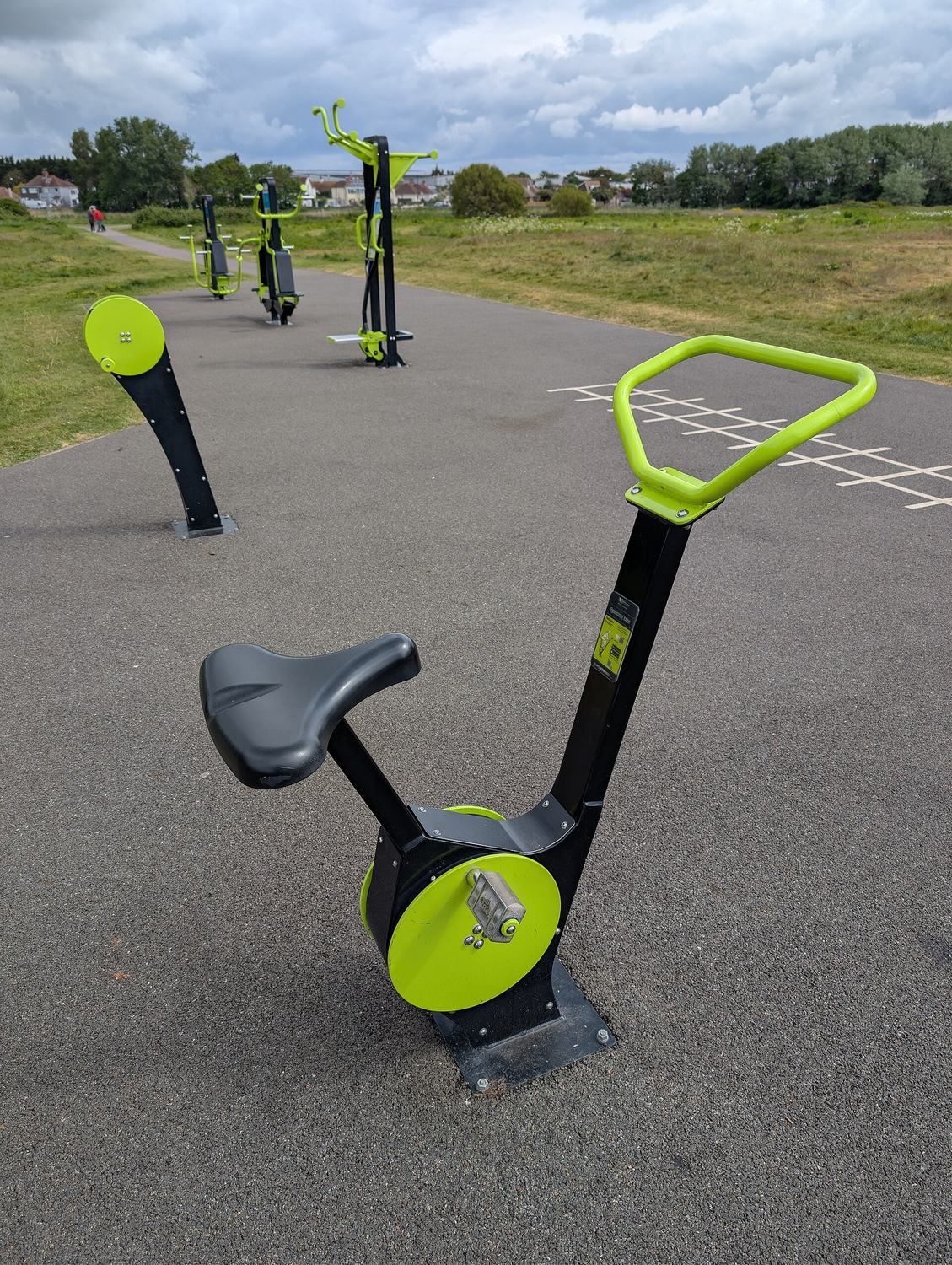
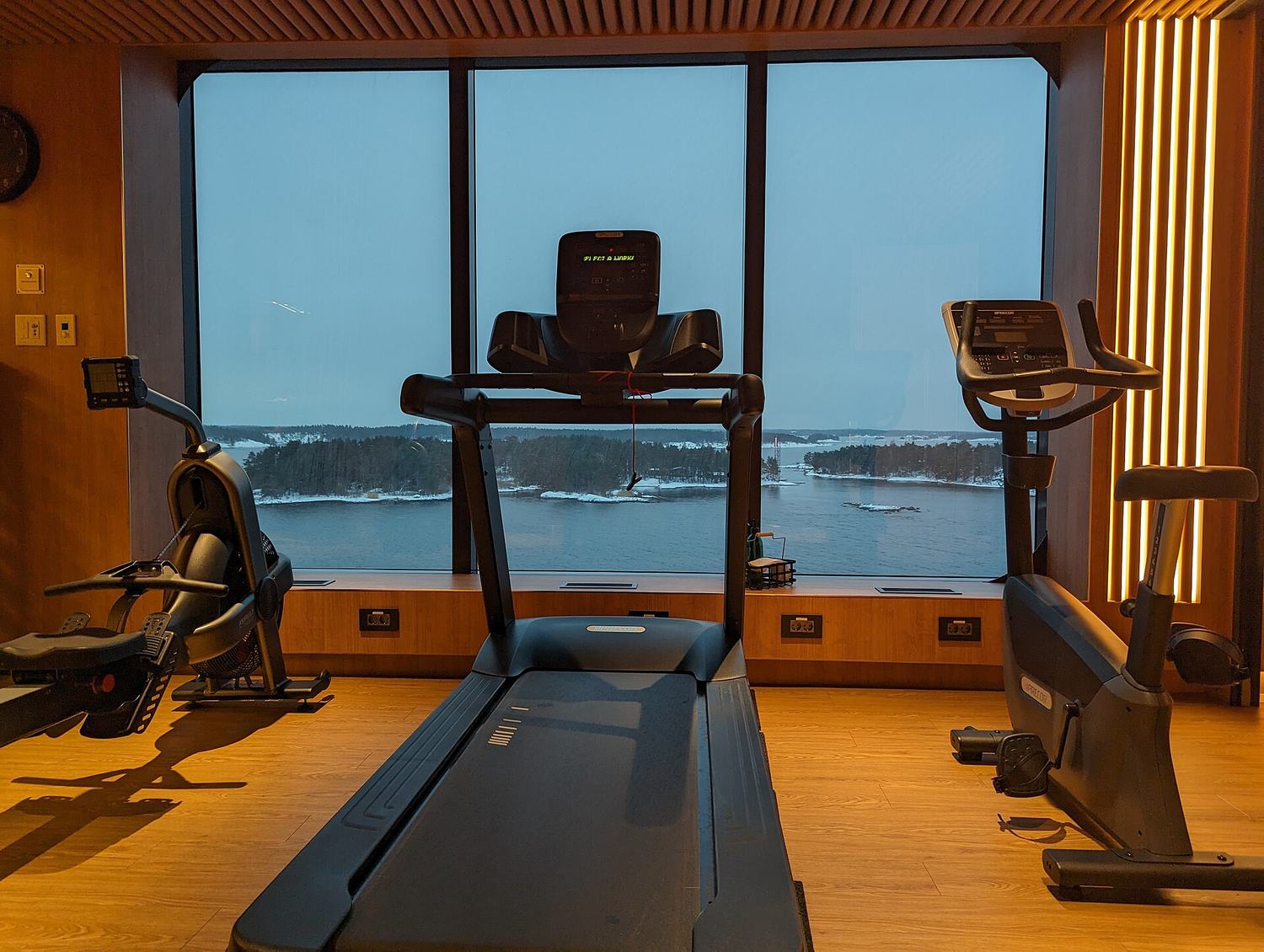
- Stationary or recumbent bike. Good for knees and the lower back.
- Rowing machine. Works legs, back and arms together. Needs good technique, so ask an instructor to check your form.
- Stair climber at a gentle pace. Strong on the glutes and legs, but build up slowly.
- Swimming and water exercise. Water supports body weight, which is excellent for sore joints.
- Light group classes. Low impact aerobics and dance classes keep 1 foot on the ground and are social.
Who benefits most
Low impact cardio suits many people:
- Those who are overweight and want to protect their knees and ankles.
- Older adults looking to stay active and independent.
- People with mild joint stiffness or arthritis, once their doctor approves.
- Anyone returning from injury or a long break.
- Pregnant women, with medical clearance and gentle intensity.
- Athletes who want recovery days between hard sessions.
If you have significant joint pain, swelling, a recent injury or a medical condition, see a doctor or physiotherapist initially. They can tell you what movements are safe and what to avoid.
Keep the intensity honest
Low impact does not mean low effort. You can still work hard on a cross trainer or bike. Use the talk test to check effort. At moderate effort, you can speak in full sentences but not sing. At vigorous effort, you can only say a few words. Most of your sessions should be moderate, with 1 short vigorous session a week if you feel ready.
Mix steady and interval days. For example:
- Day 1: 30 to 40 minutes steady on the cross trainer.
- Day 2: 25 minutes on the bike with short intervals.
- Day 3: Strength training.
- Day 4: 40 minute brisk walk, ideally outdoors.
- Day 5: Rowing for 20 minutes, alternating 3 minutes moderate with 1 minute easy.
- Weekend: Swimming or a longer easy session.
Strength training protects joints too
Strong muscles absorb force and stabilise your joints. Cardio alone is not enough. 2 times a week, add exercises such as:
- Sit-to-stand squats
- Glute bridges
- Step-ups
- Wall or incline push-ups
- Rows with bands or light dumbbells
- Dead bugs and planks for the core
Start with light loads and slow, controlled movement. Aim for 8 to 12 repetitions of each exercise and 2 or 3 sets.
Common mistakes and fixes
Hanging off the handles. Leaning on the arms reduces the work your legs do and reduces calorie burn. Stand upright and hold lightly.
Setting resistance too low. If the pedals spin with no effort, you will not build fitness. Increase resistance until you feel firm effort but can keep smooth form.
Shortening your steps. Use a full, smooth range of motion.
Ignoring pain. Mild muscle fatigue is normal. Sharp or lingering joint pain is a signal to stop and seek advice.
Forgetting hydration. Gyms in Kampala can be warm. Sip water throughout, and wear breathable clothes.
Doing the same session forever. Your body adapts. Change the time, resistance, machine or interval pattern every few weeks.
A note on weight and food
If your goal includes losing weight, cardio helps but food and consistency matter more. Build meals around filling, unprocessed foods: beans, fish, eggs, vegetables, fruit, avocado, and moderate portions of matooke, rice, posho or sweet potato. Walk more through the day. Be patient, as steady weight loss of around half a kilo a week is realistic and healthy.
Key takeaways
- Low impact cardio keeps joint stress down while still building heart fitness and burning energy.
- The cross trainer, bike, rowing machine, brisk walking and swimming are all effective options.
- Moderate sessions of 30 to 40 minutes, repeated through the week, can meet the WHO target of 150 minutes.
- Use the talk test to keep effort honest, and add intervals once a week if you are ready.
- Strength training 2 times a week supports your joints.
- See a doctor or physiotherapist if you have significant joint pain or a medical condition.