Start with a walk-run plan
Many people who say "I can't run" have simply started too fast. The way to build running fitness safely is to mix walking and jogging, then slowly increase the jogging. It protects your joints, keeps the effort manageable and lets your body adapt at a sensible pace.
A 5K is 5 kilometres, about 3 miles. In Kampala, a lap or 2 around a park or a quiet estate road gets you most of the way there. Most beginners can reach a 5K in 8 to 10 weeks if they train 3 times a week.
Before you start, you should be able to walk briskly for 30 minutes without much trouble. If you cannot yet, spend a few weeks on that initially. If you have a heart condition, chest pain, high blood pressure, joint problems or are pregnant, speak to your doctor before starting.
Getting ready
Shoes
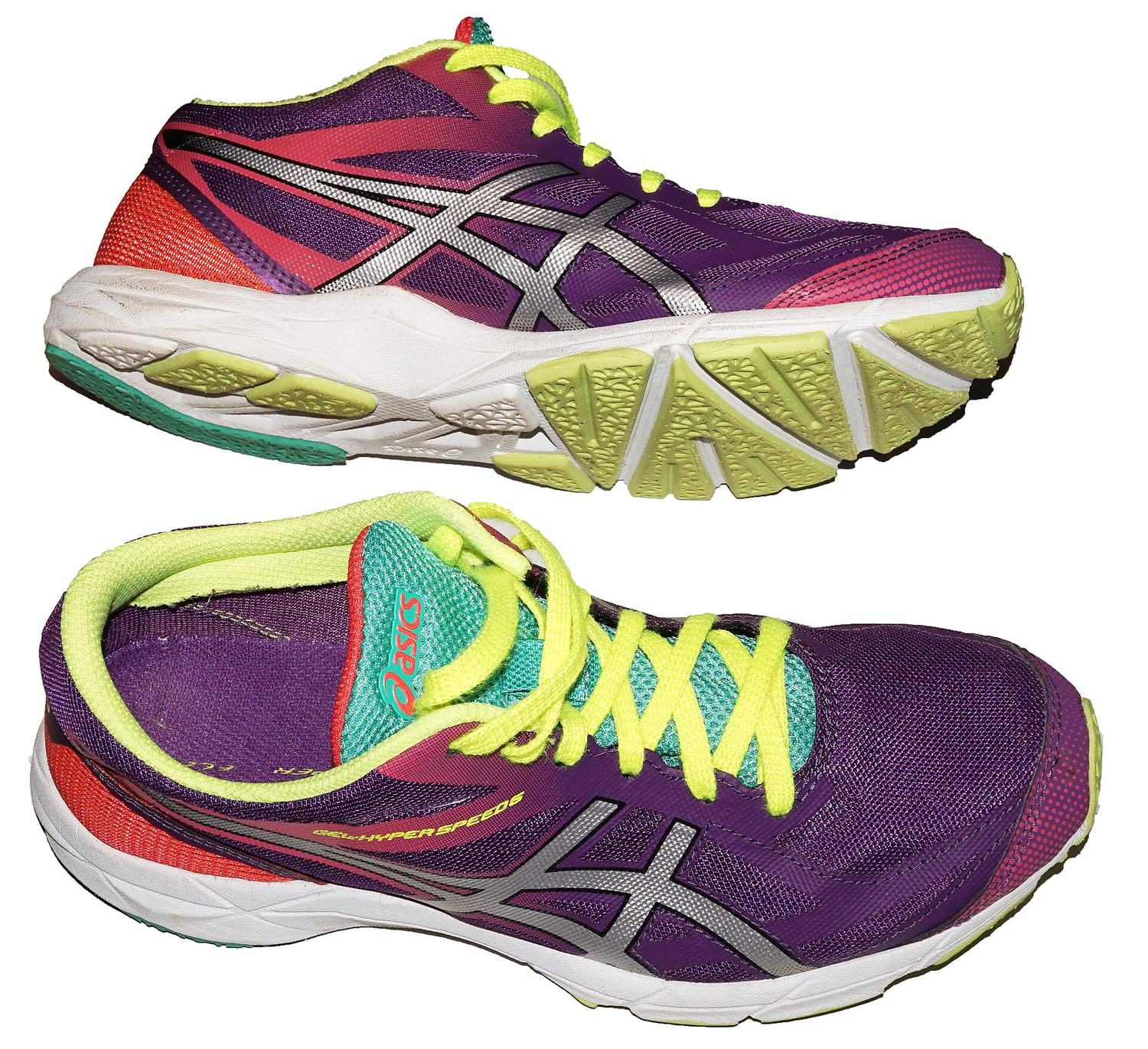
Proper running shoes are the one thing worth spending on. Choose a pair with cushioning and enough room for your toes, and replace them when the soles are worn flat. Old canvas shoes or flat fashion trainers are a common cause of shin and knee problems.
Clothes
Light, breathable fabric works best in the heat. Women may want a well-fitting sports bra. A cap helps in strong sun.
Where and when
Early morning or evening is cooler. Choose a flat, even surface with good lighting and, if possible, company. Avoid busy roads with heavy exhaust fumes and uneven pavements.
The 8 week walk-run plan
Train 3 times a week with at least 1 rest day between sessions. Each session begins with a 5 minute brisk walk and ends with a 5 minute easy walk.
- Week 1: Jog 1 minute, walk 2 minutes. Repeat 8 times.
- Week 2: Jog 2 minutes, walk 2 minutes. Repeat 6 times.
- Week 3: Jog 3 minutes, walk 2 minutes. Repeat 5 times.
- Week 4: Jog 5 minutes, walk 2 minutes. Repeat 3 times.
- Week 5: Jog 8 minutes, walk 2 minutes. Repeat 3 times.
- Week 6: Jog 10 minutes, walk 1 minute. Repeat 2 times, then jog 5 more.
- Week 7: Jog 20 minutes nonstop.
- Week 8: Jog 25 to 30 minutes nonstop, which is around 5 km at an easy pace.
If a week feels too hard, repeat it. There is no prize for finishing quickly. If you miss a few days because of illness or work, go back a week and continue.
How fast should you go
Slower than you think. A good test is the talk test: you should be able to speak in short sentences while jogging. If you are gasping, slow down or take a walking break early.
Many beginners start too fast, burn out in the early minutes and decide they hate running. A slow jog is still running. Your pace will improve naturally as your fitness grows.
Technique basics
You do not need perfect form, but a few cues help.
- Stand tall, eyes ahead, not at your feet.
- Keep shoulders relaxed and arms bent at about 90 degrees, swinging forward and back.
- Land with your foot beneath your body, not far out in front.
- Take short, quick steps. Overstriding puts a lot of load on the knees.
- Breathe in whichever way feels natural. Breathing through both nose and mouth is fine.
Strength and support work
Running is repeated single-leg impact, so strong legs and hips protect you. 2 times a week, add simple strength work:
- Squats to a chair
- Glute bridges
- Step-ups on a low box
- Calf raises
- Planks and side planks
These take 15 to 20 minutes and cut your risk of injury. A short routine after a session is fine.
Fuel, fluids and recovery
You do not need special foods. Eat normal meals with enough carbohydrate and protein. Rice, matooke, posho or sweet potato with beans, fish or eggs makes a good evening meal. A banana or bread an hour before a morning run helps if you get hungry. Drink water throughout the day, not just during the run.
Sleep matters. 7 to 9 hours supports recovery. Mild muscle soreness for a day or 2 is normal, but sharp or worsening pain is not.
Common mistakes and how to fix them
Too much, too soon. The most common cause of shin splints and knee pain. Increase total running time by small steps and take rest days.
Ignoring pain. If 1 spot hurts more each run, rest. If it does not settle in a week or 2, see a physiotherapist.
Running every day. 3 runs a week builds fitness without overloading you. Add easy walking or cycling on other days if you want more activity.
Comparing yourself to others. Your pace is your own. Many new 5K finishers walk parts of the course, and that is perfectly respectable.
Skipping the warm-up. Walk briskly and add a few leg swings and bodyweight squats initially.
Race day
If you decide to enter a local 5K, do a final easy run 2 or 3 days before, not the day before. On race morning eat a light, familiar breakfast, arrive early, and start near the back so you do not get swept into a fast pace. Walk breaks are allowed. Finishing is the goal for the initial one.
Key takeaways
- Walk-run intervals are the safest way for a beginner to build up to running a 5K.
- Train 3 times a week for about 8 weeks, and repeat any week that feels too hard.
- Run slowly enough to talk in short sentences.
- Good shoes and 2 short strength sessions a week reduce injury risk.
- Increase gradually, rest when you have pain, and see a physiotherapist if it persists.
- Check with a doctor initially if you have heart, blood pressure or joint concerns.