The shoulder is the most mobile joint in your body, and that freedom comes at a price: it is held in place by muscles and tendons rather than by deep bone sockets. When you press heavy weights, pull yourself up to a bar, and then sit hunched over a phone for the rest of the day, the shoulder takes a lot of repeated stress.
Most shoulder trouble in lifters is not a dramatic injury. It builds slowly through too much pressing, too little pulling, poor positioning, and rushing the warm up. The fix is mostly about balance and technique, not fancy equipment.
How the shoulder works
Your shoulder joint is a ball (the top of the arm bone) in a shallow socket (part of the shoulder blade). 4 small muscles, the rotator cuff, hold the ball centred in the socket. The shoulder blade itself has to slide and rotate on your ribcage whenever you lift the arm overhead.
If the blade does not move well, or the cuff is weak, the ball rides up and tendons get pinched. That is the common story behind the dull, pinching ache many lifters feel when pressing overhead or doing bench press.
The pressing and pulling balance
Many gym programmes are heavy on pushing: bench press, shoulder press, push ups, dips. Fewer include enough rowing and pulling. Too much push with too little pull rounds the shoulders forward over time.
A practical guide:
- Do at least as many sets of pulling as pushing each week. Many coaches aim for pulling to be equal or slightly higher.
- Include both horizontal pulls (rows) and vertical pulls (pull downs, pull ups).
- Add rear shoulder work, such as face pulls or reverse flies, once or 2 times a week.
If you bench press 12 sets a week, aim for 12 to 15 sets of rows, pull downs and rear delt work combined.
Technique points that protect the shoulder
Bench press
- Pull your shoulder blades back and down before you unrack the bar, and keep them there.
- Keep your elbows at roughly 45 to 70 degrees from your body, not flared straight out to the sides.
- Lower the bar to the lower chest, not up towards your neck.
- If a wide grip hurts, bring your hands in a little.
Overhead press
- Squeeze your glutes and brace your abs so your lower back does not arch.
- Press the bar slightly back over the middle of your head as it passes your face, and finish with your biceps near your ears.
- If you cannot get your arms overhead without leaning back, work on mobility initially, or use a landmine press, which is kinder to tight shoulders.
Pull ups and dips
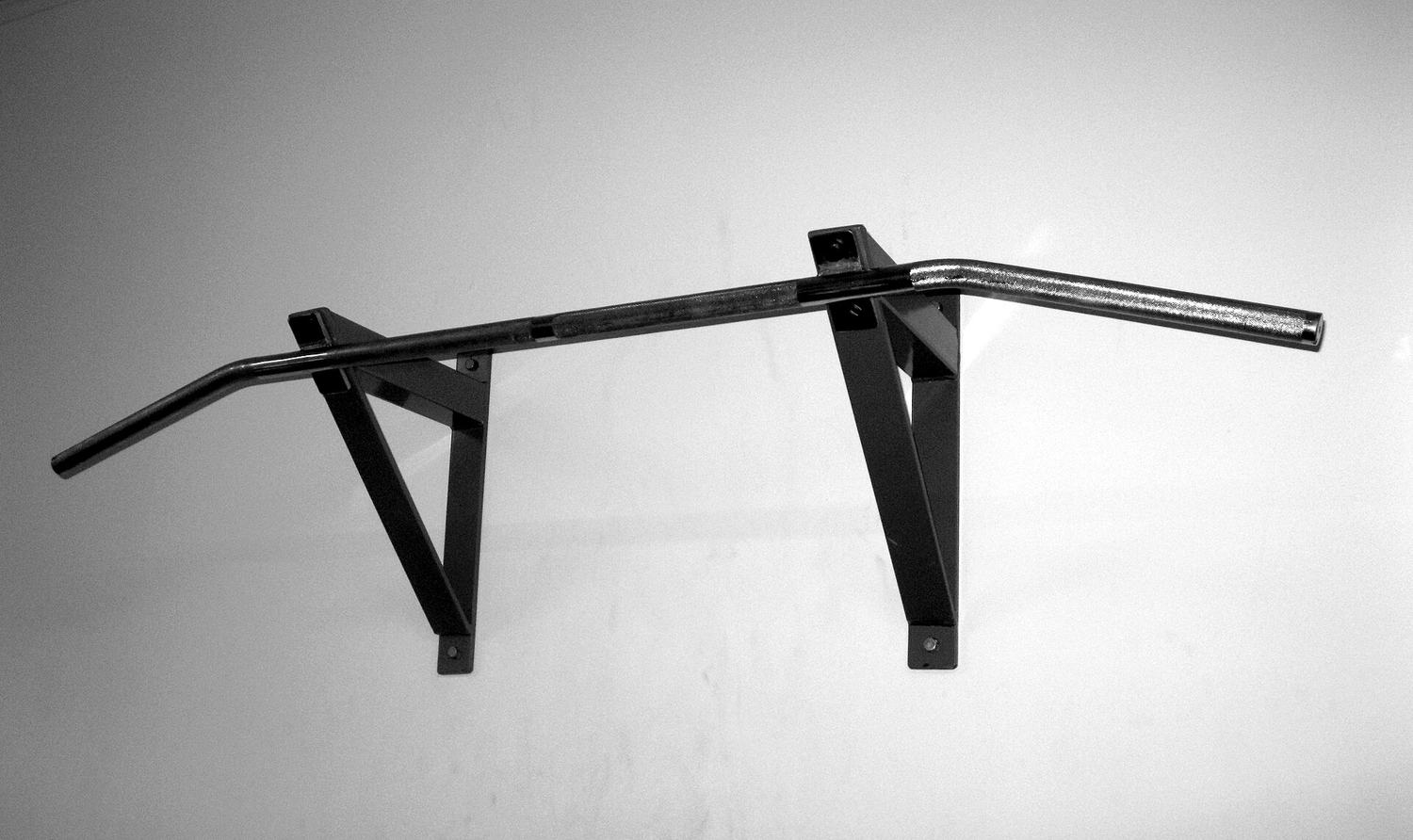
- Start pull ups from a controlled hang with the shoulder blades gently pulled down, not from a dead, shrugged hang.
- Dips put the shoulder in a deep stretched position under load. If the front of your shoulder hurts, replace them with close grip push ups or a neutral grip press for a while.
Mobility and strength work to add
3 habits keep the shoulder healthy, and each takes only a few minutes.
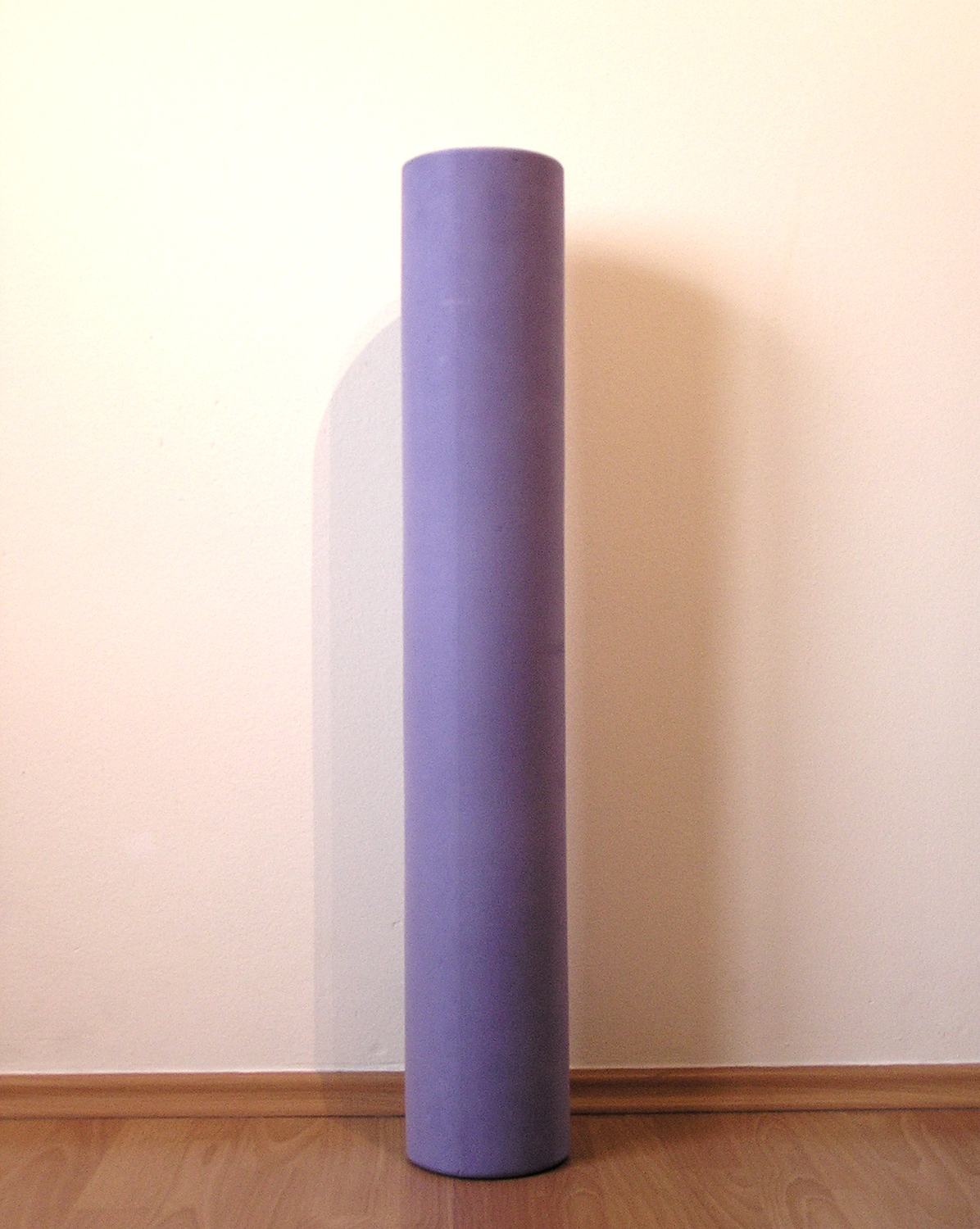
- Thoracic spine mobility. A stiff upper back forces the shoulder to make up the difference. Lie on a rolled towel or foam roller across your upper back and extend over it gently for 10 breaths. Or do "open book" rotations on your side, 8 per side.
- Rotator cuff work. Use a light band or a 2 to 4 kg dumbbell. Stand with your elbow bent at your side and rotate your forearm outwards, 2 sets of 15 slow reps. Go light. The cuff is a small muscle group and does not need heavy loads.
- Shoulder blade control. Wall slides, band pull aparts and face pulls teach the blade to move smoothly. Do 2 sets of 15 with a light band most training days.
A shoulder friendly warm up
Spend 5 minutes on this before any upper body session.
- Arm circles, small to large, 10 each direction.
- Band pull aparts, 15 reps.
- Band external rotations, 12 per side.
- Wall slides, 10 reps.
- 2 or 3 light warm up sets of your initial lift, building to your working weight.
Common mistakes
Ego loading. Adding weight to a bench press faster than your technique can handle usually shows up in the shoulder initially. If the bar speed drops and your elbows flare, the weight is too heavy for now.
Training through sharp pain. Muscle burn and tiredness are normal. A sharp, pinching pain at the front or top of the shoulder is not. Stop that exercise for the day and try a variation that does not provoke it.
Skipping rest. Tendons recover more slowly than muscles. Do not train heavy pressing on 3 days in a row. Space hard upper body sessions by at least 48 hours.
Ignoring desk posture. A rounded, forward head position makes overhead movements harder. Pulling your shoulder blades back and down several times a day is a free form of training.
When to see a professional
Pain that lasts more than 2 weeks, night pain that disturbs your sleep, a feeling that the shoulder might slip out, weakness lifting the arm, or pain after a fall all deserve a visit to a doctor or physiotherapist. A clinician can tell whether you have a tendon problem, an impingement pattern or something that needs imaging, and give you a rehab plan that fits.
A sample weekly structure
- Day 1: bench press, rows, rear delt work, band external rotations.
- Day 2: legs and core, plus 5 minutes of upper back mobility.
- Day 3: overhead press or landmine press, pull downs, face pulls.
- Day 4: rest or a walk.
- Day 5: pull ups, rows, light push ups, cuff work.
Notice that every upper body day includes a pull and a cuff or blade exercise. That is the habit that keeps shoulders healthy for the long term.
Key takeaways
- The shoulder is mobile but relies on muscles for stability, so balanced training matters.
- Match or exceed your pushing volume with pulling volume, and add rear shoulder work weekly.
- Set your shoulder blades before benching, keep elbows tucked at a moderate angle, and avoid arching to press overhead.
- Add upper back mobility, light rotator cuff work and band pull aparts to your routine.
- Do not train through sharp pain, and see a doctor or physiotherapist if pain lasts more than 2 weeks or disturbs your sleep.