Why the initial 8 weeks matter
Most people who quit the gym do it in the initial 2 months. Some quit because they are sore for a week and decide it is not for them. Others get hurt because they copied a workout from someone much stronger. The initial 8 weeks are not about getting big or lean. They are about learning the movements, building a habit and letting your joints, tendons and muscles adapt.
Your muscles adapt quickly, but tendons and connective tissue take longer. That is why a beginner can feel strong in week 3 and still get a sore elbow or knee if they rush. A slow, boring start is the fast route.
Before you begin
If you have a heart condition, high blood pressure, diabetes, a recent injury, or you are pregnant, speak to your doctor before starting. Chest pain, dizziness or unusual breathlessness at any point means stop and get checked.
For everyone else, a few basics:
- Eat a proper meal 2 to 3 hours before training. Matooke with beans, rice with fish, or posho with eggs all work well.
- Drink water before and during the session, especially in hot weather.
- Wear flat, stable shoes. Soft running shoes make squats and deadlifts wobbly.
- Warm up for 5 to 8 minutes: brisk walking or light cycling, then arm circles, hip circles and a few bodyweight squats.
The plan: 3 days a week
Train 3 non-consecutive days, for example Monday, Wednesday and Friday. Each session should take about 45 to 60 minutes. Choose weights that let you finish every set with 2 or 3 clean repetitions still in the tank. This is called leaving reps in reserve, and it is the safest way to learn.
The movements, in each session:
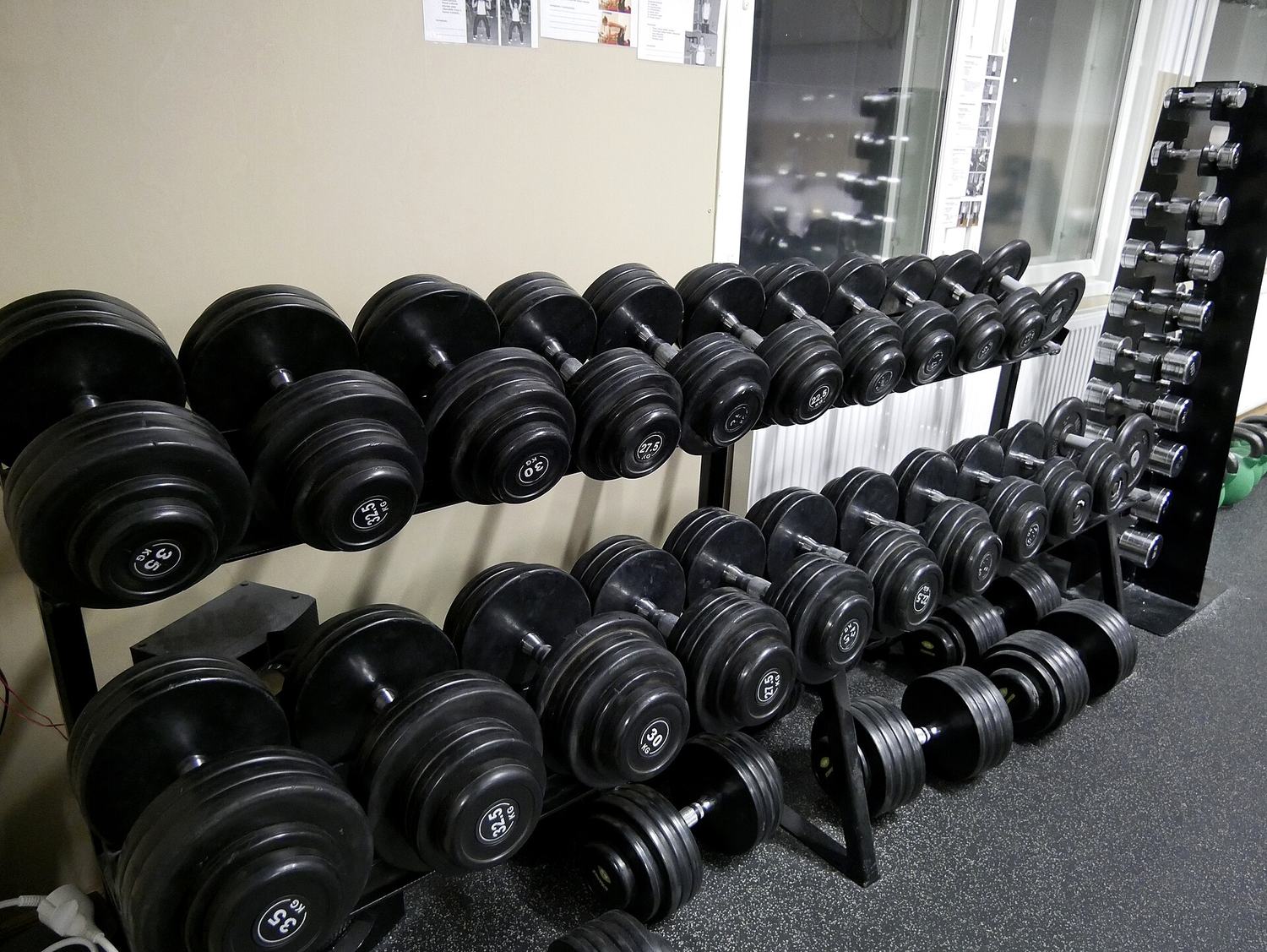
- Squat pattern: goblet squat holding 1 dumbbell at your chest.
- Hinge pattern: Romanian deadlift with light dumbbells or a bar.
- Push: push up (hands on a bench if needed) or dumbbell bench press.
- Pull: seated cable row or lat pulldown.
- Shoulders: dumbbell shoulder press, seated.
- Core: plank, 3 holds of 20 to 30 seconds.
Add 10 to 15 minutes of walking or easy cycling at the end if you have energy. Over a week, this plus your normal daily walking moves you towards the World Health Organization guideline of at least 150 minutes of moderate activity a week.
Week by week
Weeks 1 and 2: learn the patterns
Do 2 sets of 10 repetitions on each exercise, using very light weights. The goal is form. Ask a trainer to watch your squat and hinge. Rest 60 to 90 seconds between sets. You will probably be sore on day 2 or 3 after your initial session. That soreness is normal and fades within a few sessions. Light walking helps it clear.
Weeks 3 and 4: add a set
Move to 3 sets of 8 to 10 repetitions. If you completed all your reps with good form last session, add a small amount of weight, about 1 to 2 kilograms for dumbbells. If the last reps looked ugly, keep the weight the same.
Weeks 5 and 6: build a little load
Keep 3 sets, but now aim for 8 reps on the main lifts and add weight whenever you can do all sets cleanly. This is the new the weights should feel properly challenging. The last rep of each set should be slow but not a grind.
Weeks 7 and 8: consolidate, then test
In week 7, continue as above. In week 8, reduce the weights by about 10 percent for the initial session (an easier week lets your body catch up), then on the last session do 1 set of 8 to 10 on each lift with your best clean weight and write the numbers down. You now have a baseline to beat in the next block.
Rules that keep you injury free
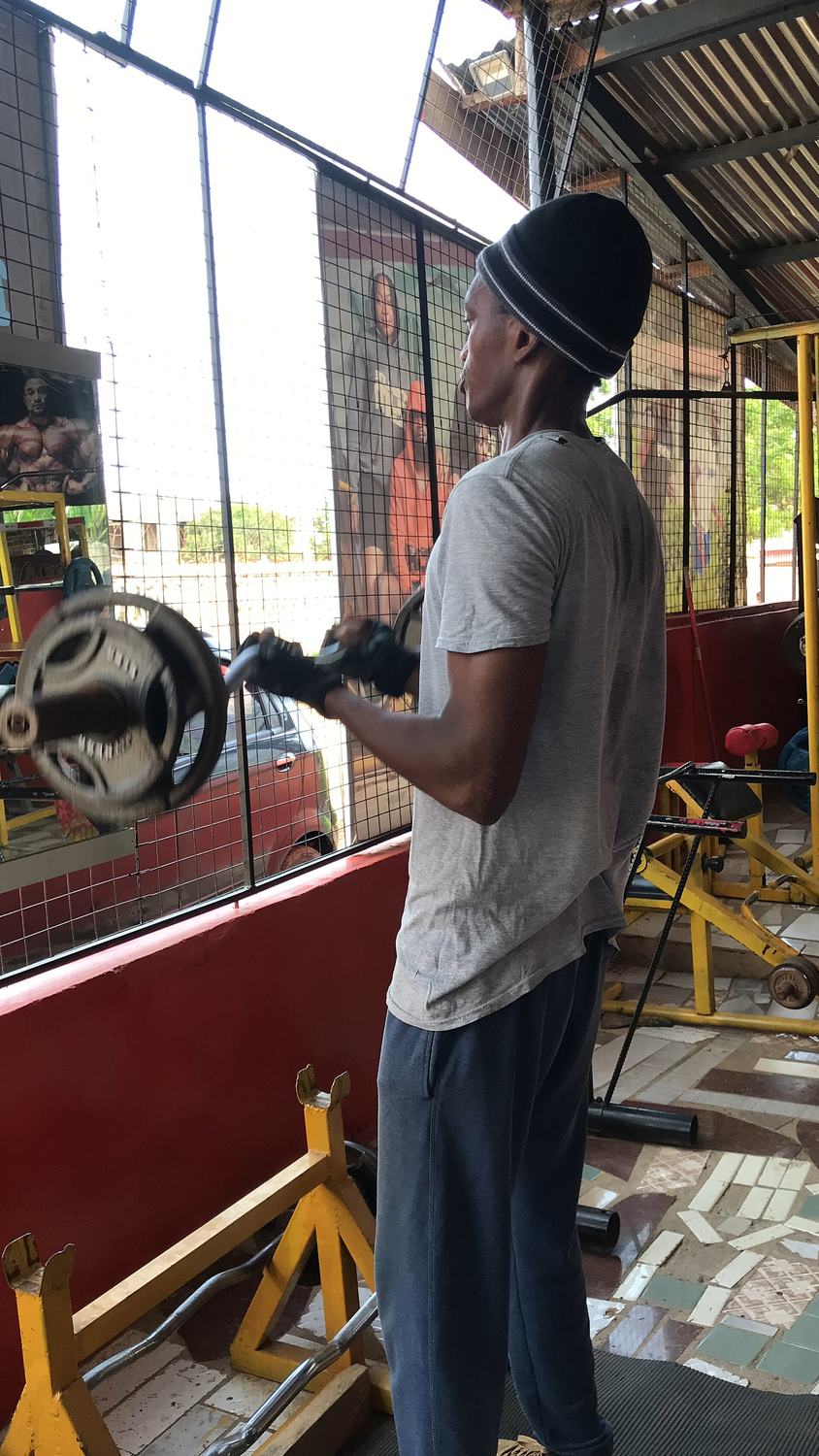
- Form before weight. If your lower back rounds on a hinge or your knees cave inward on a squat, the weight is too heavy or you need a cue from a coach.
- Do not train through sharp pain. Muscle burn and general tiredness are fine. Sharp, pinching or joint pain is a stop sign. If it lasts more than a few days, see a physiotherapist.
- Breathe. Breathe in before you lower the weight, breathe out as you push. Do not hold your breath for long.
- Sleep and eat. Most of the progress happens when you recover. Aim for 7 to 9 hours of sleep and include a protein source in every meal: eggs, fish, beans, groundnuts, chicken, milk.
- Do not chase soreness. Being unable to walk down stairs is not a sign of a good session. It is a sign you did too much.
Common beginner mistakes
Starting too heavy
Ego lifting is the most common cause of early injury. A weight that feels easy in week 1 is exactly right.
Skipping the warm up
Cold muscles and stiff hips make good form harder. 5 minutes is enough. Do not skip it because the gym is busy.
Changing the programme every week
Your body needs repetition to learn a skill. Stick to the same 6 exercises for the full 8 weeks. Boredom is not a reason to change them yet.
Only doing the exercises you like
Many beginners do plenty of chest and arms and avoid legs and back. A balanced plan protects your posture and your shoulders, especially if your day involves sitting at a desk or on a boda for long periods.
After week 8
You will have a base. From here you can move to a heavier plan, split your sessions by body part, or add a fourth day. The principle stays the same: do a bit more over time, keep the form clean and recover well. If you want someone to check your technique along the way, book a session with a trainer. A hour of coaching in the initial month saves months of bad habits.
Key takeaways
- Train 3 non-consecutive days a week with 6 simple exercises covering squat, hinge, push, pull, shoulders and core.
- Leave 2 or 3 reps in reserve and add weight slowly, only when every set looks clean.
- Soreness in the initial weeks is normal, sharp or joint pain is not.
- Sleep, water and regular meals with protein matter as much as the workout.
- Keep the same exercises for 8 weeks, then record your numbers and build from there.