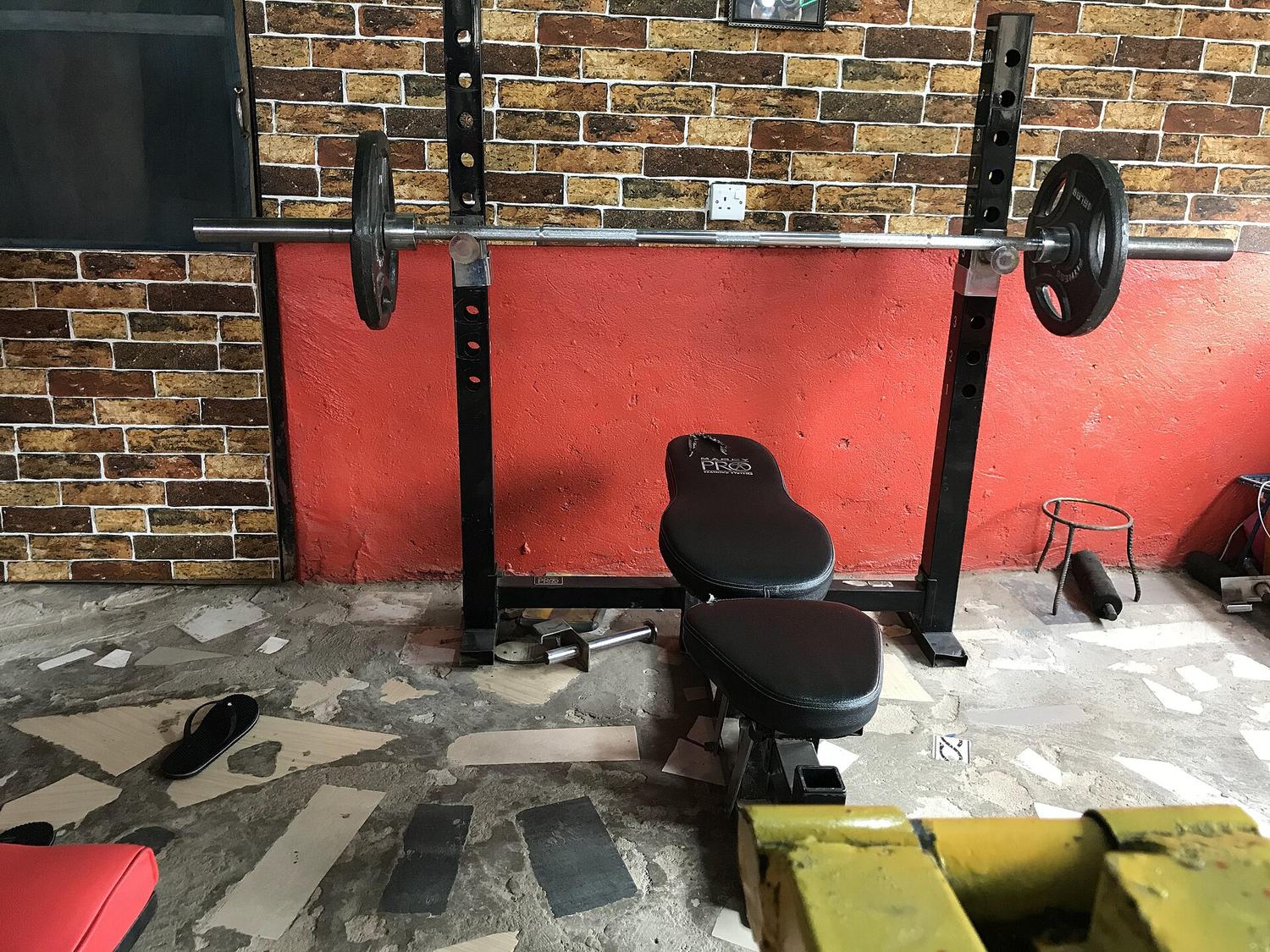
Strength Training
Progressive overload: the simple rule behind every result
Progressive overload means asking your body for slightly more over time. Here are 6 practical ways to apply it, plus how to track it and when to back off.
Progressive overload means asking your body for slightly more over time. Here are 6 practical ways to apply it, plus how to track it and when to back off.
Your core does more than make a flat stomach. Learn the 3 jobs of the core, the best exercises for each, and a short routine to build a strong, stable trunk.
Learn how to squat with a stable setup, the right depth for your body, and simple fixes for knees caving in, heels lifting and a rounding lower back.
A plain 8 week plan for new lifters: how often to train, which exercises to learn, how heavy to go, and how to avoid the mistakes that cause early injuries.
Learn how to perform lat pulldowns and pull ups properly, plus step by step progressions to your initial strict pull up and a balanced back routine.
How to learn the hip hinge, set up the bar properly and add weight to your deadlift without hurting your back, with a simple progression you can follow.
Choose sets, reps and rest for your goal: strength, muscle or endurance. A practical guide to training volume, with sample sessions and signs you are doing too much.
Full body and split routines both work. Compare how each is structured, who each suits, and see sample weekly plans for 2, 3, 4 and 5 training days.
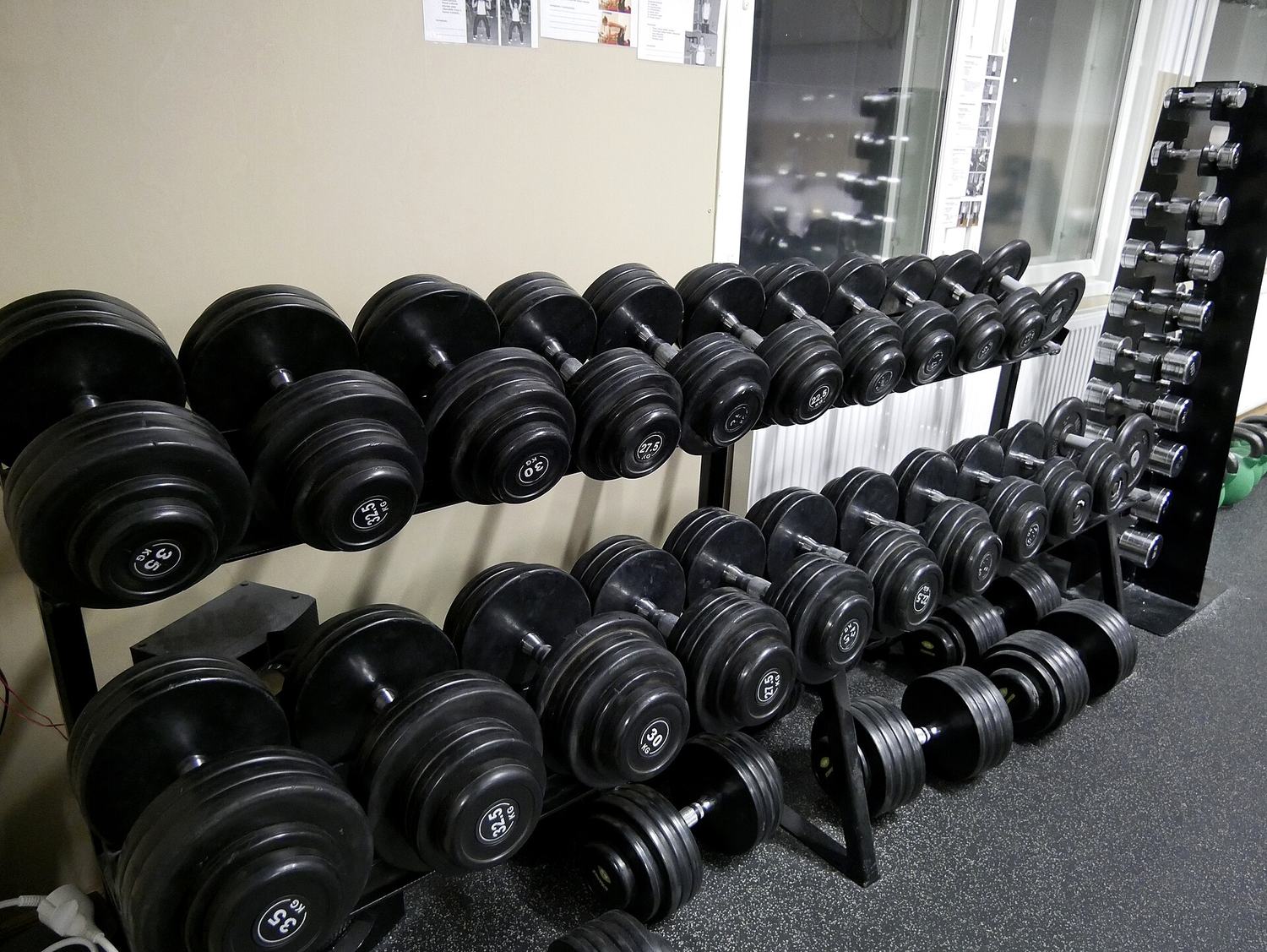
You do not need a full rack to get strong. Here are the best dumbbell exercises, 2 complete workouts and how to progress when the weights start to feel light.
Set up the bench press with a stable base, a tight upper back and a sensible bar path, and learn how to avoid shoulder pain and failed reps.