Active recovery is easy movement on days between hard training, or straight after a tough session, done with the aim of feeling better rather than getting fitter. It sounds simple, and it is. The trick is keeping it truly easy. Plenty of people turn their recovery day into a third hard workout and wonder why they are tired.
What active recovery does
Gentle movement raises blood flow, loosens stiff joints and gives your mind a break from structured training. Research on whether it speeds up muscle repair is mixed, but many people report feeling less stiff and more ready for the next session. At worst it feels better than sitting all day, and at best it keeps you moving without adding stress.
Think of it as a way to feel good, stay in the habit and add to your weekly activity total. The WHO recommends at least 150 minutes of moderate activity a week for adults, and easy days contribute to that.
How easy is easy
Use the talk test. You should be able to hold a full conversation without gasping. On a scale of 1 to 10 for effort, aim for a 2 to 4. Your heart rate should stay low, and you should finish feeling better than when you started.
If you finish a recovery session sweaty, breathless or sore, it was not recovery.
Ideas that work
Walking
The simplest and often the best. 30 to 45 minutes at a relaxed pace is enough. In Kampala, walk early in the morning or in the evening when it is cooler, and choose quieter routes, a park or a track where you can. If your day involves lots of walking already, a stroll after dinner still helps digestion and sleep.
Easy swimming
The water supports your body weight, which is kind on sore joints. Swim slow, relaxed lengths for 20 to 30 minutes, or just walk and move in the shallow end.
Light cycling
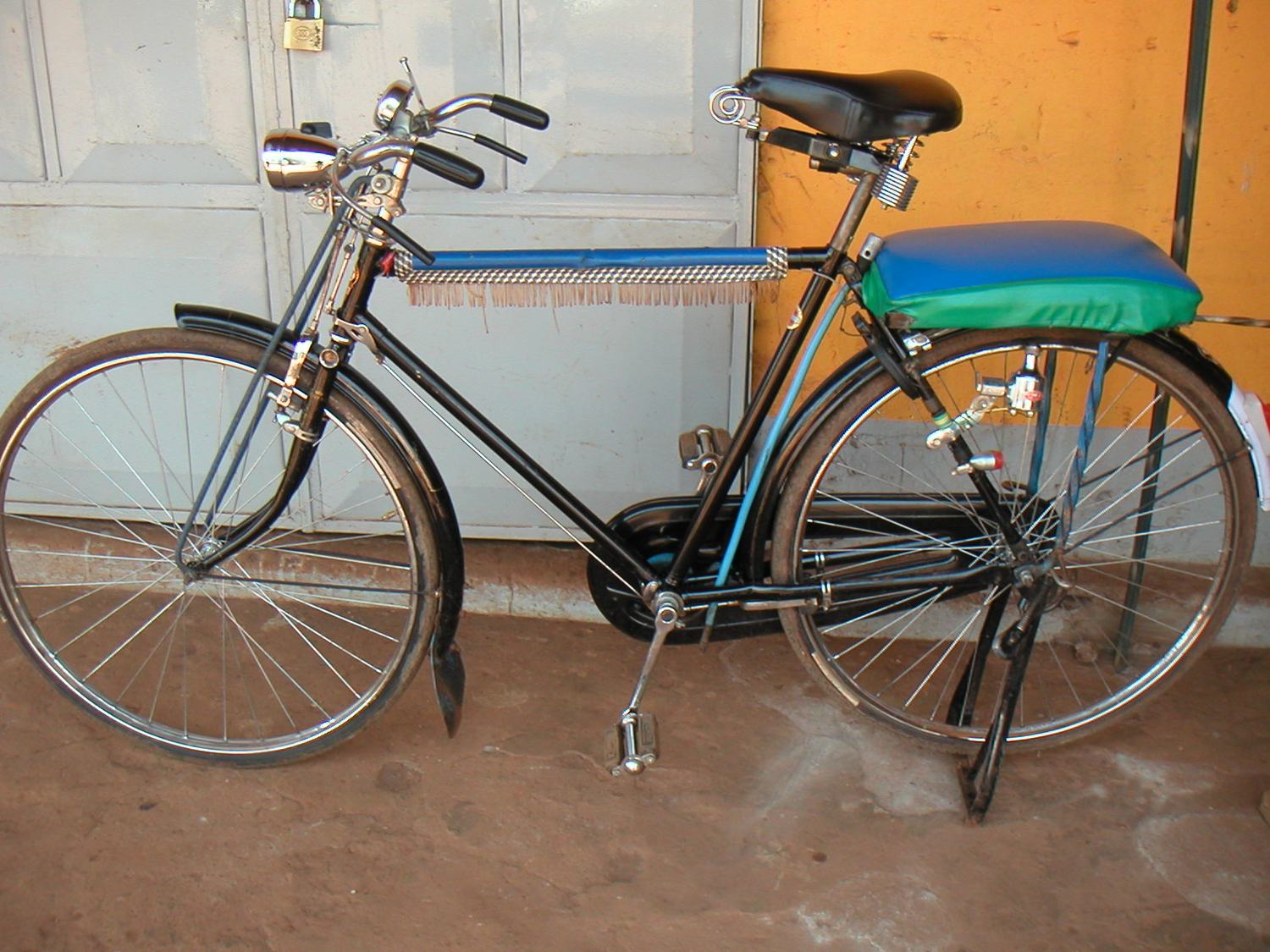
Spin gently on a stationary bike or ride on flat ground. Keep the resistance low, and keep your cadence smooth.
Mobility flow
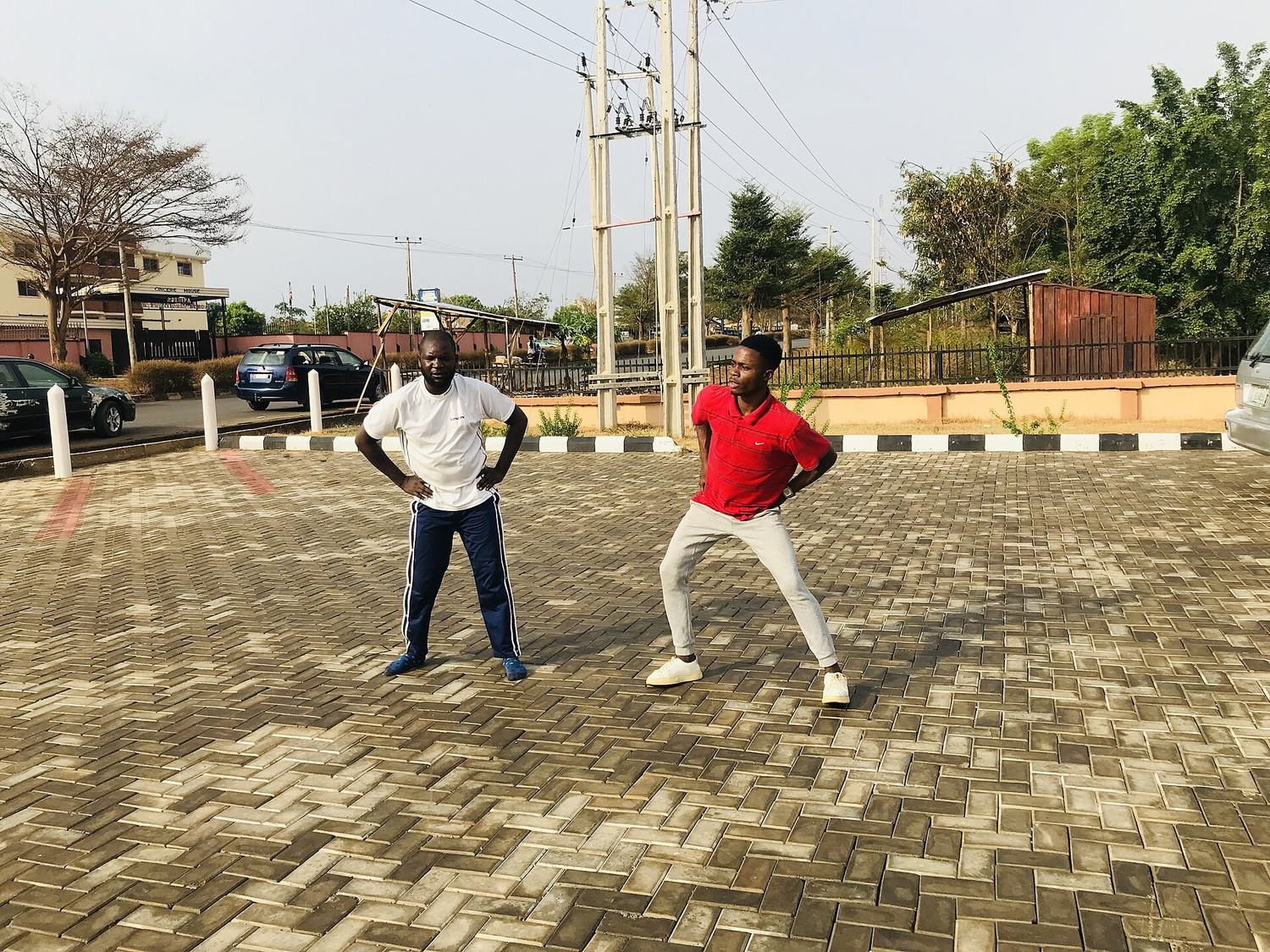
10 to 20 minutes of slow movements for hips, spine and shoulders. Cat and cow, deep squat holds, hip circles, thoracic rotations and arm circles are enough.
Yoga or gentle stretching
A relaxed class or a home routine. Pick slow, restorative styles rather than power yoga.
Easy bodyweight circuit
2 rounds of 10 squats, 10 incline press-ups, 10 glute bridges and a 30 second plank, all at a smooth pace. It should feel like practising movement, not training.
Playing
Throw a ball, kick a football softly with friends or play with your children. Fun movement counts, and it makes recovery feel less like a chore.
Dancing
A relaxed dance at home or in a class gets you moving with very little effort. Keep the intensity low.
Sample active recovery sessions
30 minute reset
- 5 minutes easy walking
- 15 minutes of mobility drills
- 5 minutes of gentle stretching
- 5 minutes of slow breathing
45 minute outdoor option
- 40 minutes of walking at a conversational pace
- 5 minutes of stretching afterwards
Pool session
- 5 minutes of walking in the pool
- 15 to 20 minutes of easy swimming
- 5 minutes of relaxed floating or stretching
When to choose active recovery
- The day after a heavy leg or full-body session, if you are stiff but not injured
- On a planned light day in your week
- After a long run, match or tournament
- When you feel flat and a hard session does not appeal, but you still want to move
When to rest completely instead
Active recovery is not always the right answer. Take a full rest day if you are:
- Sleeping badly or feeling run down
- Unwell with fever or chest symptoms
- Struggling with unusually heavy fatigue or high stress
- In sharp pain from a joint or a strained muscle
Listen honestly. If a gentle walk leaves you more tired, you needed to rest.
Pairing recovery with good habits
Movement alone will not fix poor recovery. Pair it with enough protein and carbohydrate, plenty of water in the heat, and a proper night's sleep. After a sweaty session, a meal such as rice with beans and greens, or sweet potato with eggs or fish, sets you up better than any gadget.
Common mistakes
- Making it too hard. The most frequent error. Slow down.
- Doing it every day without a real rest. A full day off per week is still wise for most people.
- Skipping food. Light movement does not mean you stop eating well.
- Doing the same thing forever. Mix it up so it stays enjoyable.
- Forcing it when you are in pain. If it hurts, stop and get it checked.
When to get advice
If you feel persistent pain in a joint, swelling, or fatigue that does not lift even with rest and proper easy days, see a doctor or physiotherapist. Recovery movement should never hurt.
Key takeaways
- Active recovery is easy movement that helps you feel fresher, not a harder workout.
- Keep the effort low enough to hold a conversation, around 2 to 4 out of 10.
- Walking, easy swimming, light cycling, mobility work and gentle yoga all work well.
- Choose full rest instead when you are ill, in pain or very drained.
- Pair recovery days with good food, water and sleep for the best results.