Good sleep rarely happens by accident. Most people who sleep well have some kind of routine, even if they do not call it one. A bedtime routine is a repeated sequence of calm activities that tells your brain it is time to switch off. Build one and you will fall asleep faster, wake more rested and recover better from training.
Why a routine works
Your body runs on a clock. Light, meals, activity and habits all feed it signals about when to be awake and when to wind down. A consistent pre-sleep routine acts like a cue. After a few weeks, doing the same few things in the same order starts to make you drowsy by itself.
Without a routine, many people go from work emails, bright screens and noise straight into bed and then wonder why they lie awake with a busy mind.
Start with your wake time
Before anything else, decide when you need to get up. Count back 7 to 9 hours to find your target bedtime. Then count back another 30 to 60 minutes. That is when your routine starts.
For example: wake at 5:30 am, sleep at 9:30 pm, start winding down at 8:45 pm.
Keep your wake time within about an hour, including on weekends. This single habit helps more than most others.
An evening plan, step by step
2 to 3 hours before bed
- Eat your last proper meal. A balanced plate with rice or matooke, beans or fish, and vegetables is great. Heavy, oily meals close to bedtime can disturb sleep. If you are hungry later, have a light snack such as a banana, a glass of milk or a few groundnuts.
- Stop caffeine earlier. Tea, coffee and some energy drinks stay active in the body for many hours. A cut-off around midday or early afternoon suits many people.
- Finish hard exercise. Intense training very close to bedtime leaves some people wired. If your only gym slot is late, finish with 5 minutes of slow stretching and breathing.
1 hour before bed
- Dim the lights. Lower bright overhead lights and use softer lamps. Bright light tells your brain it is daytime.
- Put work away. Close the laptop, silence work chat groups and set a boundary. Write tomorrow's top 3 tasks on paper so your mind does not keep rehearsing them.
- Reduce screens. Try to stop scrolling 30 to 60 minutes before bed. If you must use a phone, turn the brightness down and avoid exciting content or news. Charge it across the room.
30 minutes before bed
- Take a warm shower. Warm water relaxes muscles, and the cooling afterwards can ease sleepiness.
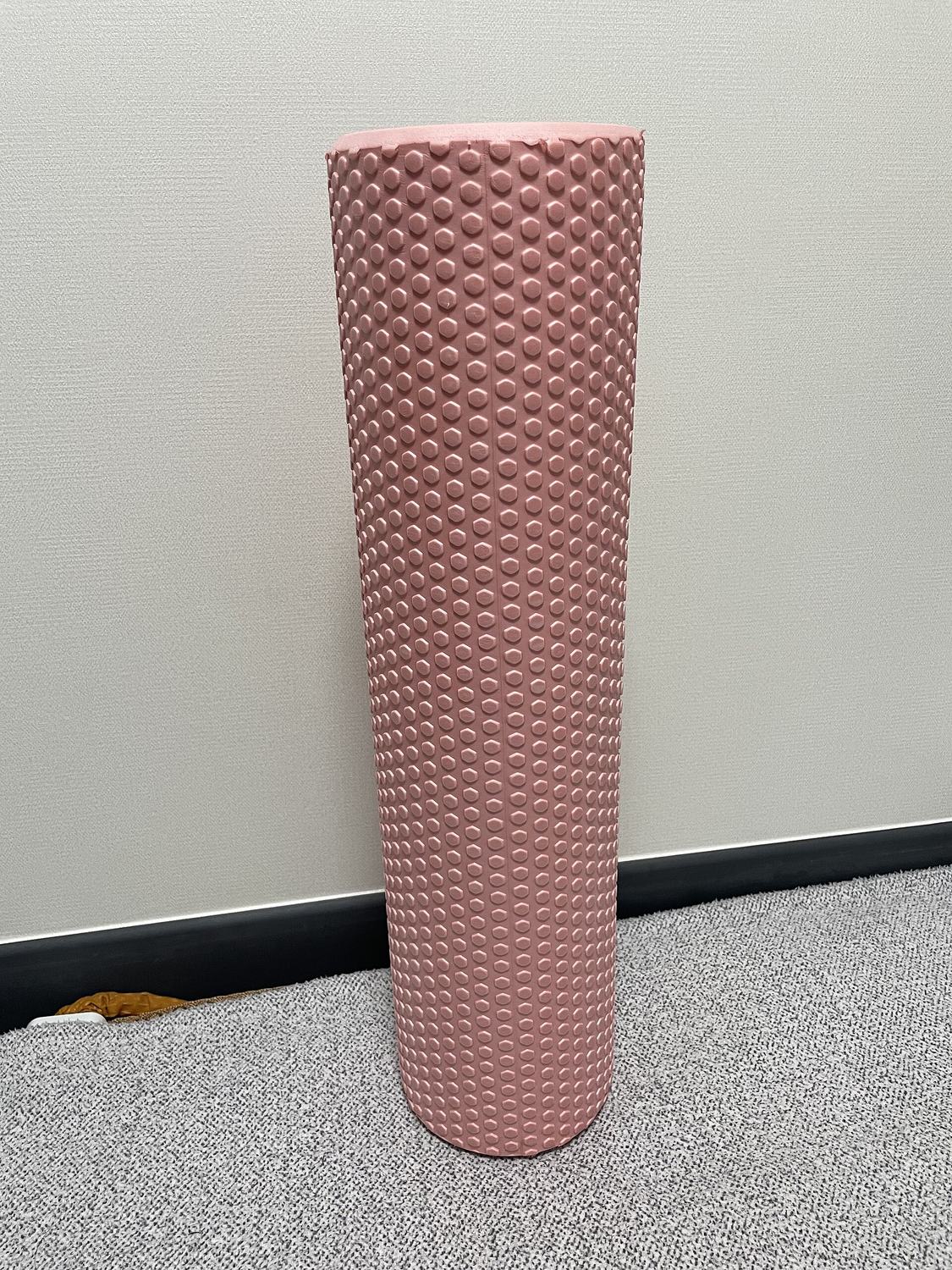
- Do 10 minutes of gentle stretching or mobility. Hips, hamstrings, back and shoulders. Keep it slow.
- Practise slow breathing. Breathe in for 4 seconds and out for 6, for 2 to 5 minutes. Longer exhales tend to calm the body.
- Do something quiet. Read a paperback, listen to calm music or a quiet podcast, pray or reflect, or write down 3 things that went well.
Set up your bedroom
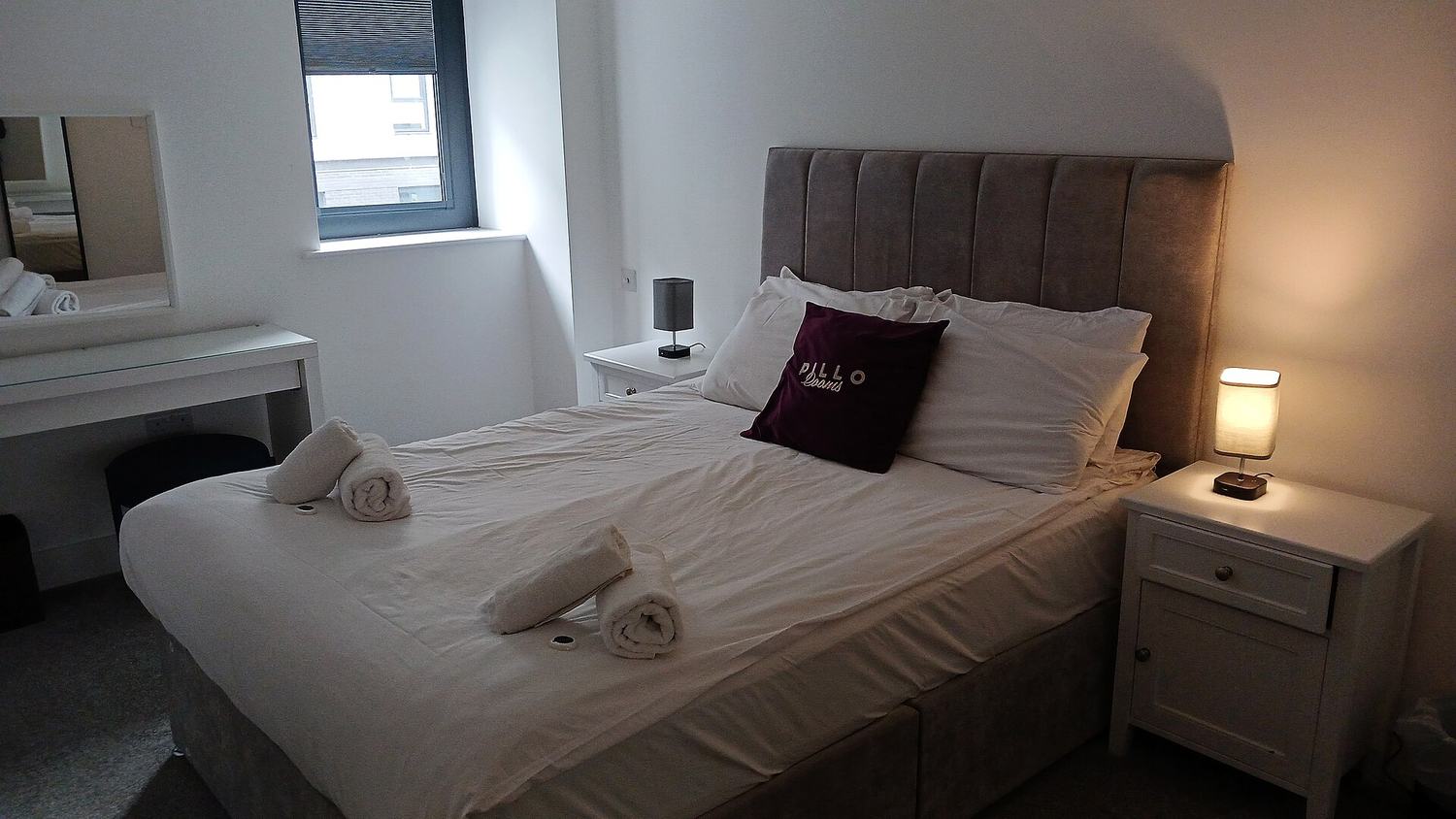
- Cool: Use a fan, open windows for cross-ventilation and wear light cotton. Kampala nights can be warm and sticky, and heat is a common reason for broken sleep.
- Dark: Heavy curtains or a sleep mask help block street lights.
- Quiet: Earplugs or a steady fan sound can mask noise from the road.
- Mosquito-free: A treated net protects you from bites and from malaria, and sleeping under one also stops buzzing from waking you.
- Comfortable: An old, sagging mattress or a flat pillow can quietly wreck your sleep.
Keep the bed for sleep. Avoid working, eating and long phone sessions there.
If you cannot fall asleep
Lying awake and frustrated makes it worse. If you have been awake for about 20 minutes, get up, go to another room with low light, and do something dull, such as reading, until you feel sleepy. Then return to bed.
If your mind races, keep a notepad by the bed. Write down worries or reminders and tell yourself you will deal with them tomorrow.
Avoid checking the clock repeatedly. It adds pressure.
Mistakes that undermine your routine
- Changing it every night. Consistency makes it work.
- Using alcohol to fall asleep. It may help you drop off but disrupts the following half of the night.
- Long daytime naps. A short nap of 20 to 30 minutes is fine. Long naps late in the day can steal sleep from the night.
- Catching up on weekends with huge lie-ins. It shifts your body clock and makes Monday harder.
- Expecting overnight results. Give it 2 to 3 weeks.
A simple routine to copy
Here is a sample for someone who wakes at 5:30 am:
- 7:00 pm: final meal
- 8:00 pm: lights lowered, work finished
- 8:30 pm: phone on charge away from the bed
- 8:45 pm: warm shower
- 9:00 pm: 10 minutes of stretching and slow breathing
- 9:15 pm: read in bed
- 9:30 pm: lights out
Adjust the times to fit your day, but keep the order.
When to ask for help
If you have trouble sleeping most nights for several weeks, snore loudly, stop breathing during sleep, or feel low or anxious, talk to a doctor. Do not rely on sleeping tablets without medical advice.
Key takeaways
- A consistent wind-down routine trains your body to feel sleepy at the right time.
- Start by fixing your wake time, then work back to a bedtime and a routine start.
- Dim lights, put work and screens away, take a warm shower and add gentle stretching and slow breathing.
- Make the bedroom cool, dark, quiet and mosquito-free.
- If you cannot sleep, get up and do something calm rather than lying there frustrated.
- Give any new routine 2 to 3 weeks to take hold.