You did leg day on Monday, felt fine that evening, and woke on Wednesday unable to sit on the toilet without gripping the wall. That ache has a name: delayed onset muscle soreness, or DOMS. It is annoying, mostly harmless and very common, especially when you start something new.
What DOMS is
DOMS is the stiffness and tenderness that builds in the muscles 12 to 24 hours after exercise, usually peaks around 24 to 72 hours, and fades within about 5 to 7 days. Muscles feel tight, tender to touch, and a bit weak. Stairs, squatting and reaching overhead can feel awful.
It is not lactic acid. That is an old myth. Lactate clears from the muscles within an hour or so of training. DOMS appears to come from the tiny microscopic disruption that happens in muscle fibres and surrounding tissue during unfamiliar or intense work, followed by an inflammatory repair process. The exact mechanism is still debated, but the picture is clear enough: new or harder work produces more soreness.
What causes it
DOMS is most likely when you:
- Start a new programme or return after a break
- Try an exercise you have not done before
- Increase weight, volume or intensity sharply
- Do lots of eccentric work, which is the lowering phase of a movement, such as walking downhill, lowering a weight slowly, or the descent of a squat
- Do a long hike, an initial football match of the season, or a big group class after weeks of inactivity
Downhill running and slow lowering phases are famous for producing soreness, because muscles lengthen under load.
Does soreness mean a good workout
Not necessarily. Soreness tells you the muscle met something it was not used to. It does not tell you how effective the session was. You can build strength and muscle with very little soreness, and you can be very sore from a poorly planned workout.
As you train regularly, your body adapts to the stress. This is called the repeated bout effect. The same session that crippled you in week 1 may cause only mild soreness in week 4. If you are never sore any more, that is normal, not a sign that training has stopped working.
Chasing soreness is a mistake. It makes you skip sessions, move badly and sometimes injure yourself.
What helps
No trick removes DOMS, but several things reduce how bad it feels:
- Gentle movement. Walking, easy cycling or light swimming increases blood flow and often eases stiffness for a while. It will not shorten the soreness dramatically, but it feels better than sitting still.
- Sleep. Poor sleep makes pain feel worse and slows repair.
- Enough food and protein. Eat regular meals with protein such as eggs, fish, beans, meat or milk, and enough carbohydrate to fuel repair. You do not need powders.
- Fluids. Drink water regularly, especially in hot weather.
- Warm showers and light massage. These can feel soothing and temporarily reduce tightness.
- Light mobility work. Easy movement through a comfortable range loosens things up.
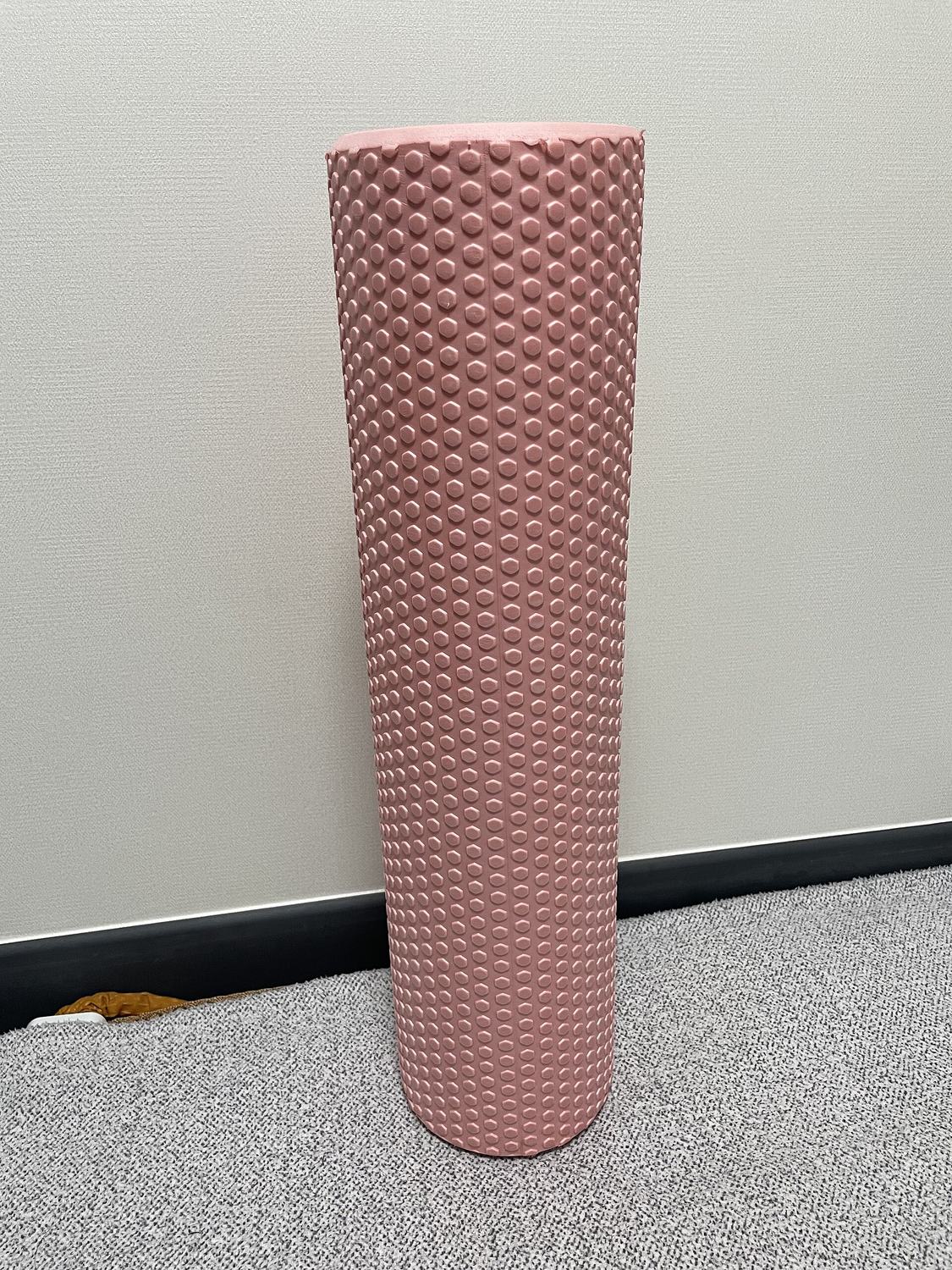
Some people find foam rolling, compression garments or cold water immersion helpful for comfort. The evidence suggests they may take the edge off soreness, but none make a large difference. Use them if you enjoy them, not because you believe they speed up healing.
What does not help much
- Painkillers taken routinely. Anti-inflammatory tablets can dull soreness but are not a good habit around training, can upset the stomach, and may not suit everyone. Ask a pharmacist or doctor if you want to use them.
- Stretching hard. Pushing into a painful stretch rarely reduces DOMS and can aggravate tender muscles.
- Complete rest. Staying still for days usually leaves you stiffer.
- Going extra hard to "work it out". A very heavy session on already sore muscles is asking for trouble.
Should you train when sore
Mild to moderate soreness is usually fine to train through, as long as you keep it light or work different muscles. After a heavy leg day, an upper body session or an easy walk works well. If you are so sore that you cannot move through a full range of motion, give those muscles another day or 2.
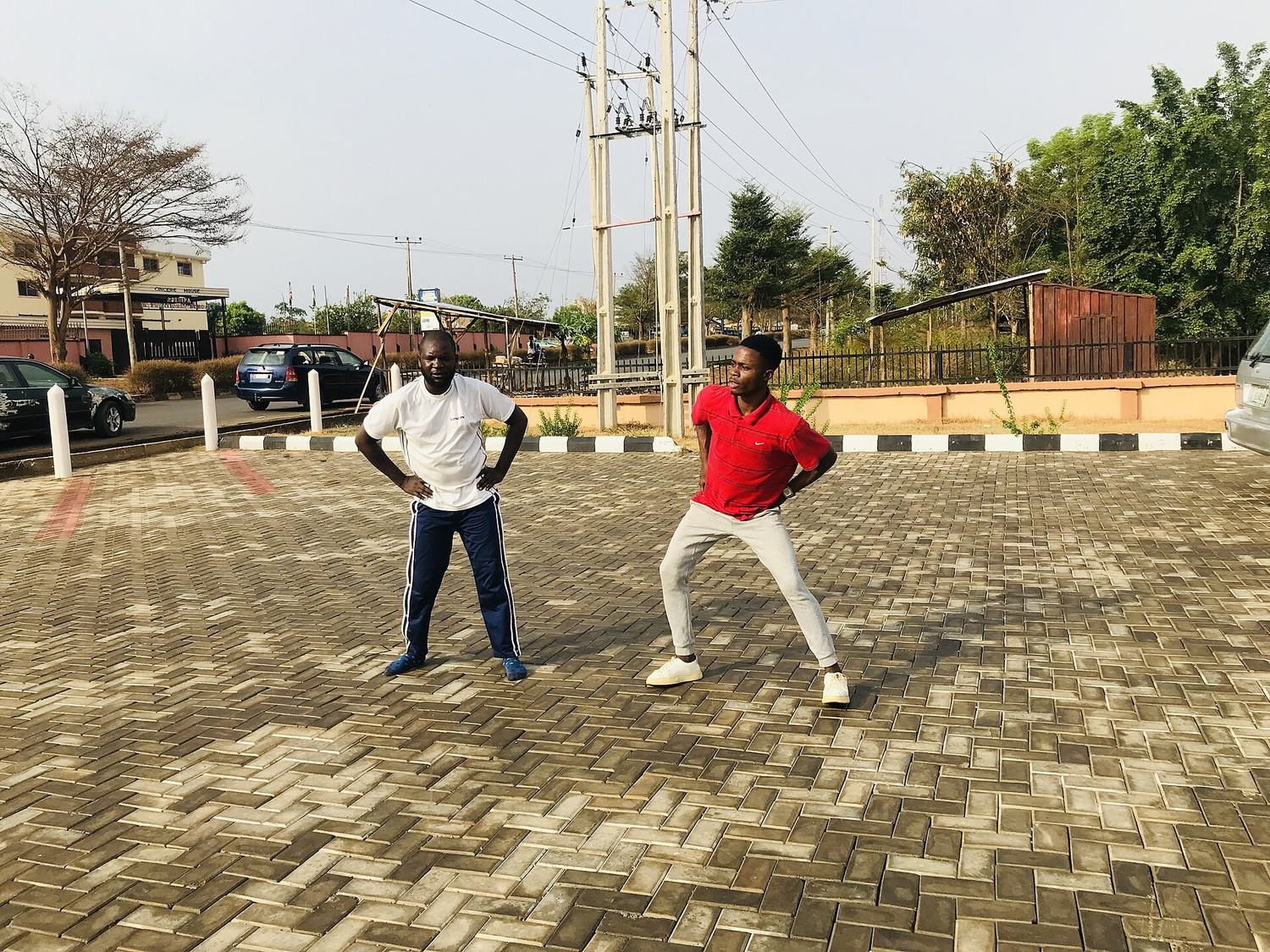
A warm-up matters. Spend 10 minutes with light cardio and gentle movements. Soreness often eases once muscles warm up, although it may return after you cool down.
How to avoid being crippled next time
- Start light. In a new programme, leave 1 or 2 repetitions in reserve for the early weeks.
- Add gradually. Increase weight or volume in small steps, not leaps.
- Introduce eccentrics slowly. If you want to try slow lowering phases or hill walking, begin with a small dose.
- Stay consistent. Regular training lowers soreness over time.
When soreness is a warning sign
Normal DOMS is a dull ache across the muscle. Sharp, localised pain, swelling, bruising, a pop at the moment of injury, or pain in a joint is different and may be a strain or sprain. Very dark, tea coloured urine along with severe muscle pain and weakness after an unusually extreme effort can be a sign of a serious condition called rhabdomyolysis, which needs urgent medical care. If soreness is severe, lasts more than a week or you are unsure, see a doctor or physiotherapist.
Key takeaways
- DOMS is a normal response to new or harder work and peaks 1 to 3 days after training.
- It is not caused by lactic acid, and it is not a measure of a good workout.
- Light movement, sleep, food and water all help, though nothing removes it entirely.
- Soreness fades quickly as your body adapts, so start gently and progress slowly.
- Sharp pain, swelling, dark urine or soreness lasting beyond a week needs medical advice.