Many people treat a rest day as a failure. They feel lazy, worry about losing fitness, and sneak in a workout anyway. That attitude is the quickest route to being tired, sore and stuck. A rest day is part of the plan, as much as the squat session or the long run.
Why rest days matter
When you train, you break things down a little: muscle fibres are stressed, energy stores are drained and the nervous system is taxed. You get stronger in the hours and days afterwards, when the body rebuilds slightly above where it started. If you never give it time to do that, you keep stacking fatigue on top of fatigue.
Rest days also protect your joints and tendons, which adapt more slowly than muscle. They help your mind too. Many people who love training find that a day off brings back the hunger to go hard.
How many rest days do you need
There is no number, but these are sensible starting points:
- Beginners: train 2 to 3 days a week with a rest day between sessions. Your body is learning, and that is plenty.
- Regular gym goers: 3 to 5 sessions a week, with at least 1 or 2 full rest days.
- Experienced lifters or runners: many still take at least 1 full day off each week, and plan lighter days around hard ones.
The WHO suggests at least 150 minutes of moderate activity a week for adults, plus muscle strengthening on 2 or more days. You can hit that without training every day.
Pay attention to how you respond. If you wake up heavy, unmotivated, with a raised resting heart rate or sore joints, an extra rest day will do you more good than another session.
Remember too that rest is individual. A 22 year old with a desk job and 8 hours of sleep recovers differently from a 45 year old parent who wakes at 5, commutes 2 hours and trains after work. Judge your needs by your own life, not by what someone else posts online.
2 kinds of rest day
Full rest
You do no planned exercise. You still walk about, climb stairs and do chores, but you do not train. Use this after your hardest days, when you feel run down, or when sleep has been poor.
Easy movement day
You do something gentle that raises circulation without adding stress. A walk, an easy swim, light cycling or gentle mobility work fits here. This is sometimes called active recovery, and many people feel better for it. It should leave you feeling fresher, not tired.
What to actually do on a rest day
Rest does not mean lying on the sofa from sunrise to sunset, though a nap is perfectly fine. Use the time well:
- Eat properly. Recovery needs fuel. Do not skip meals because you are not training. Include protein such as eggs, fish, beans, chicken or groundnuts, along with carbohydrate such as rice, sweet potatoes, matooke or posho.
- Drink enough water. Kampala heat and humidity make it easy to under-drink, even on days off.
- Walk a little. 20 to 40 minutes of easy walking is enough to loosen things up.
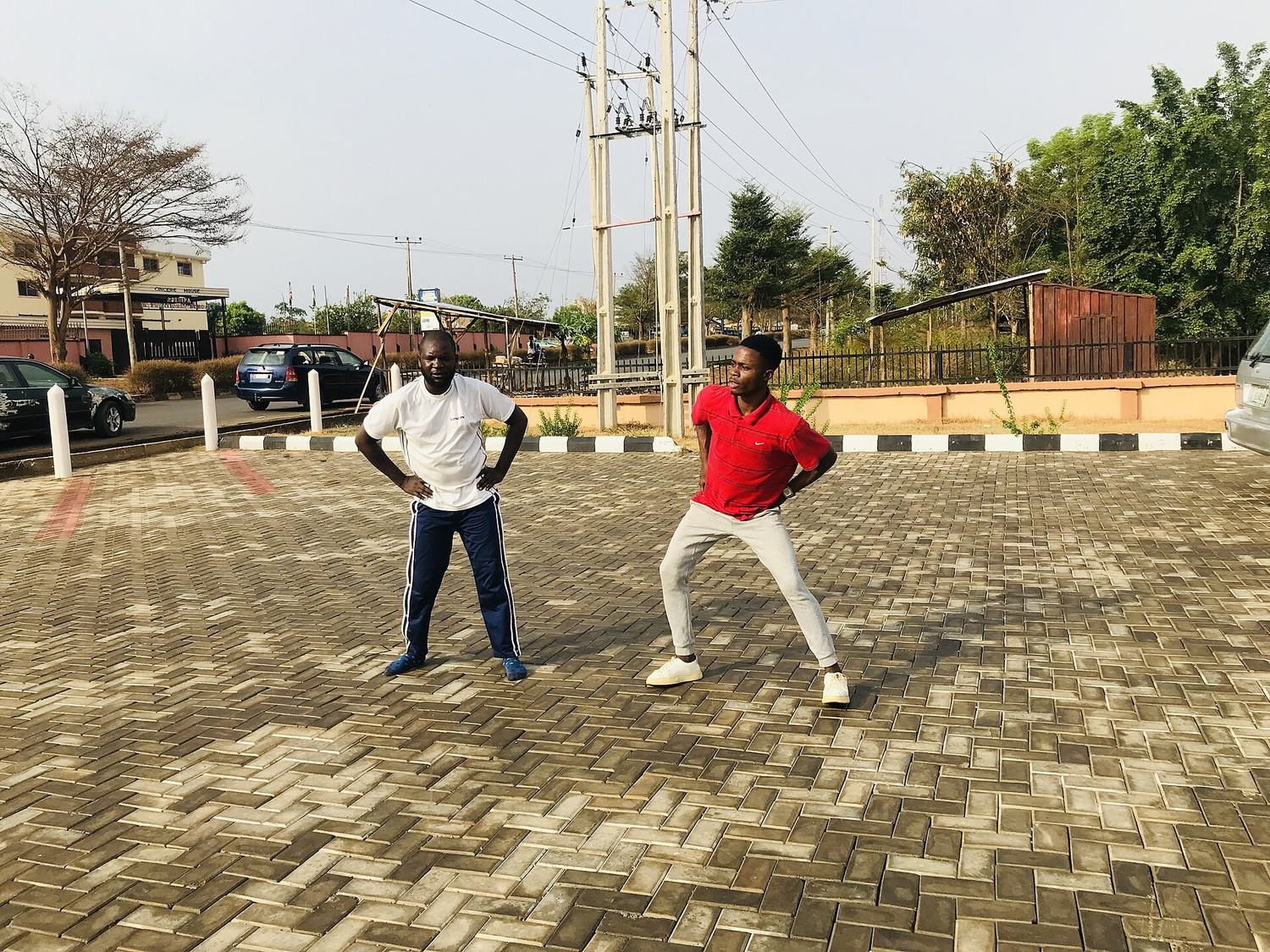
- Do 10 minutes of mobility. Gentle hip, shoulder and ankle movements feel good and keep you supple.
- Sleep well. Go to bed on time. A rest day with a late night defeats the purpose.
- Prepare for the week. Plan your sessions, pack your gym bag and cook food ahead. Rest days are good for organising.
Sample week for a regular gym goer
- Monday: strength, lower body
- Tuesday: strength, upper body
- Wednesday: rest, or a gentle walk
- Thursday: strength, full body
- Friday: cardio session, moderate
- Saturday: group class or sport for fun
- Sunday: full rest
Adjust the days to fit your work and family. The principle matters more than the calendar: hard days spread out, with real recovery between them.
Common mistakes with rest days
- Training through exhaustion. More is not always better. If every session feels like a struggle, the problem is probably too little rest.
- Treating rest days as eating-free days. Under-eating on a rest day slows recovery and often leads to overeating later.
- Using the day to "make up" missed sessions. If you missed Tuesday, do not cram it into your rest day. Just carry on with the plan.
- Feeling guilty. Fitness is built over months. 1 day off will not undo it, and it often improves the next session.
- Doing a hard session disguised as active recovery. A fast 10 km run is not a recovery day.
When rest is not enough
Rest solves ordinary tiredness. If you feel sharp pain, swelling, or joint pain that does not ease after a couple of days, see a physiotherapist or doctor rather than pushing through. The same goes for ongoing exhaustion that does not improve even after proper rest and sleep.
Key takeaways
- Rest days are when your body rebuilds and gets stronger, so they are part of training.
- Most people do well with at least 1 or 2 full rest days a week.
- Choose full rest or easy movement depending on how you feel.
- Keep eating, drinking and sleeping well on days off.
- Do not cram missed sessions into rest days or feel guilty about resting.
- Seek advice if pain, swelling or heavy fatigue does not settle with rest.