You can follow a perfect programme, eat well and show up every day, and still stall if you sleep badly. Training is the stimulus. Sleep is where most of the adaptation happens. Think of the gym as the place where you ask your body to change, and your bed as the place where it actually does the work.
What happens while you sleep
During deep sleep, your body releases growth hormone, which supports tissue repair. Muscle protein synthesis continues, your nervous system consolidates the movement patterns you practised, and your brain clears out the day. Energy stores in the muscles are topped up too, as long as you have eaten enough carbohydrate.
This is why a new squat pattern often feels smoother the morning after a good session. Your brain has been rehearsing overnight.
How much sleep do you need
Most adults do best with 7 to 9 hours a night. Some people feel fine on a little less, but fewer people than you would think. If you need an alarm to wake up every day, fall asleep within a minute of lying down, or depend on several cups of coffee to function, you are probably short.
Athletes and people training hard often need toward the top of that range. A heavy training week plus a stressful job is a recipe for needing more rest, not less.
What poor sleep does to your training
A few bad nights will not ruin you. A pattern of short sleep, though, tends to show up in predictable ways:
- Lower performance. Strength, power and endurance all drop, and the same weights feel heavier.
- Slower recovery. Soreness lingers and you feel flat from session to session.
- Higher appetite. Tired people crave sugary, oily food and find it harder to stop eating. Fat loss gets harder.
- Worse mood and focus. Motivation falls, and skipped sessions follow.
- Higher injury risk. Poor concentration and slow reactions make mistakes under the bar more likely.
- Weaker immunity. You pick up more colds and feel run down.
Many people blame their programme or their diet when the real problem is 5 or 6 hours of sleep.
Common sleep problems in Kampala
Local life brings its own obstacles. Heat and humidity can make it hard to fall asleep, especially in the warmer months. Traffic means long commutes, early starts and late returns, which squeeze the hours you have. Noise from the road, neighbours or events can interrupt the night. Power cuts can switch off a fan halfway through sleep. And phones keep many of us up well past the time we meant to stop.
Naming your own obstacle is the initial step. Fix the one that costs you the most hours and move on to the next.
Practical ways to protect your sleep
- Pick a fixed wake time. A consistent wake time anchors your body clock more than a consistent bedtime does. Keep it within an hour, even on weekends.
- Work back from it. If you must wake at 5:30 am and want 8 hours, you need to be asleep by 9:30 pm. That means starting to wind down at about 9:00.
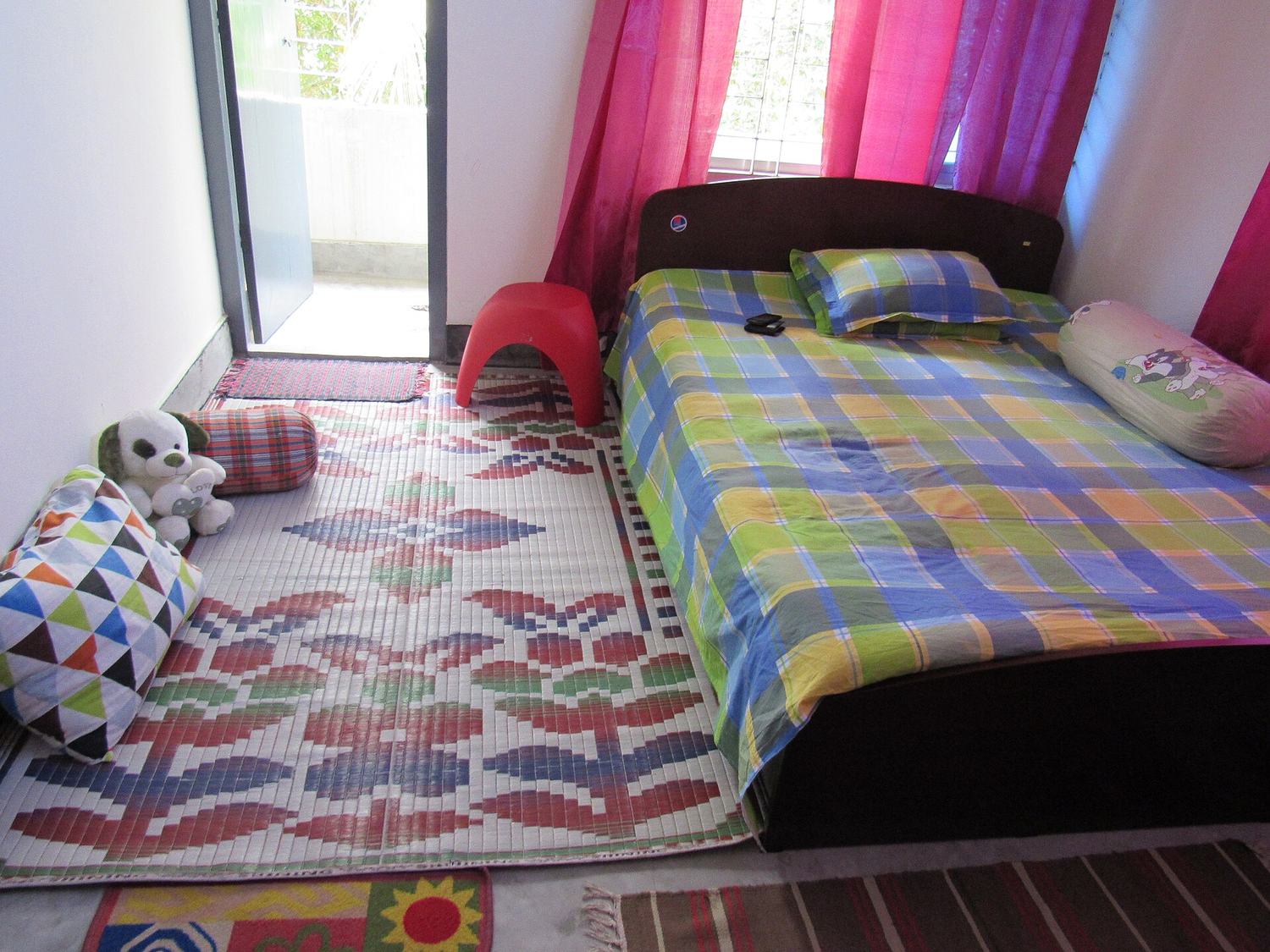
- Cool the room. Open a window for cross ventilation, use a fan, and wear light cotton. A cool body falls asleep faster.
- Make it dark. Thick curtains or a sleep mask help, especially if street lights shine in.
- Limit caffeine after midday. Tea and coffee can stay in your system for many hours. If you train in the evening and struggle to sleep, try cutting afternoon caffeine initially.
- Stop eating heavy meals late. A large plate of matooke and meat right before bed can leave you uncomfortable. Eat 2 to 3 hours before sleeping if you can.
- Put the phone away. Scrolling keeps your brain active. Charge it across the room.
Training and sleep together
Hard training late at night can leave some people wired. If you notice this, move your hardest sessions earlier, or finish with a few minutes of slow breathing and easy stretching. On the other hand, regular exercise generally improves sleep quality, so the effort pays you back.
If you are in a very busy phase, protect sleep before you protect a workout. A tired 60 minute session is often worth less than a short, sharp 30 minute one after a proper night's rest. When you must choose between an extra hour in bed and an extra hour of training, choose bed more often than you think.
When sleep is a bigger problem
Loud snoring, stopping breathing during the night, waking gasping, or feeling exhausted despite 8 hours can point to a sleep disorder such as sleep apnoea. Persistent insomnia lasting weeks, or low mood alongside it, is worth discussing with a doctor. These are treatable, and fixing them can change how you feel more than any supplement.
Key takeaways
- Sleep is when your body repairs muscle, restores energy and locks in new skills.
- Aim for 7 to 9 hours, and expect to need more in heavy training weeks.
- Poor sleep lowers performance, raises appetite and slows recovery.
- A fixed wake time, a cool dark room and less late caffeine are the simplest fixes.
- When life gets busy, protect your sleep before you protect an extra workout.
- See a doctor if you snore loudly, stop breathing at night or cannot sleep for weeks.